The Adriatic coast of Romagna, known as the Riviera Romagnola, is one of Italy’s most famous and historic tourist destinations, stretching for around 95–110 km from the mouth of the River Reno to Gabicce Monte, on the border with the Marche region.
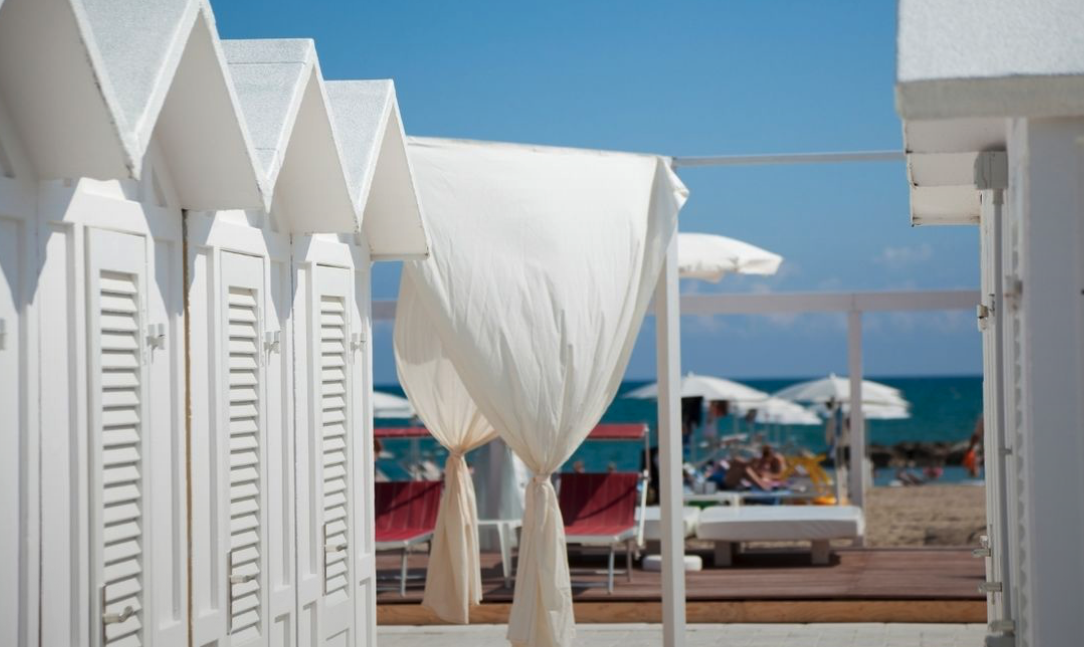
It is characterised by very wide sandy beaches, with shallow waters and warm seas, making it particularly suitable for families, older people and those seeking a relaxing holiday. The coastline alternates between natural areas with pine forests and nature reserves and more urbanised stretches linked to mass tourism, featuring hotels, beach resorts, amusement parks and a lively nightlife in the resorts of Rimini, Riccione and Milano Marittima.
The development of tourism in Riviera Romagnola It officially began in Rimini in the second half of the nineteenth century, with the establishment of the first seaside resort in 1843, which provided a fresh economic impetus for the area. Initially, seaside tourism was promoted as a therapeutic activity, with doctors emphasising the benefits of sea bathing, and the coast became a place of leisure for the aristocracy and the upper middle classes. In the years that followed, particularly from the late nineteenth century onwards, seaside resorts and accommodation facilities also developed in other towns in the Romagna region, such as Cervia, Cesenatico, Cattolica and Riccione.
The real tourism boom came in the post-war period, between the 1940s and 1950s, with the rise of mass tourism, facilitated by infrastructure such as railways and motorways that provided easy access to coastal resorts, leading to massive construction and the expansion of tourist facilities, including hotels, well-equipped beaches, parks and nightclubs. Today, the Romagna Riviera is a region that combines tradition and modernity, offering natural, cultural and gastronomic attractions, as well as a wide range of accommodation options to suit every type of tourist.
In summary, the Adriatic coast of Romagna is characterised by:
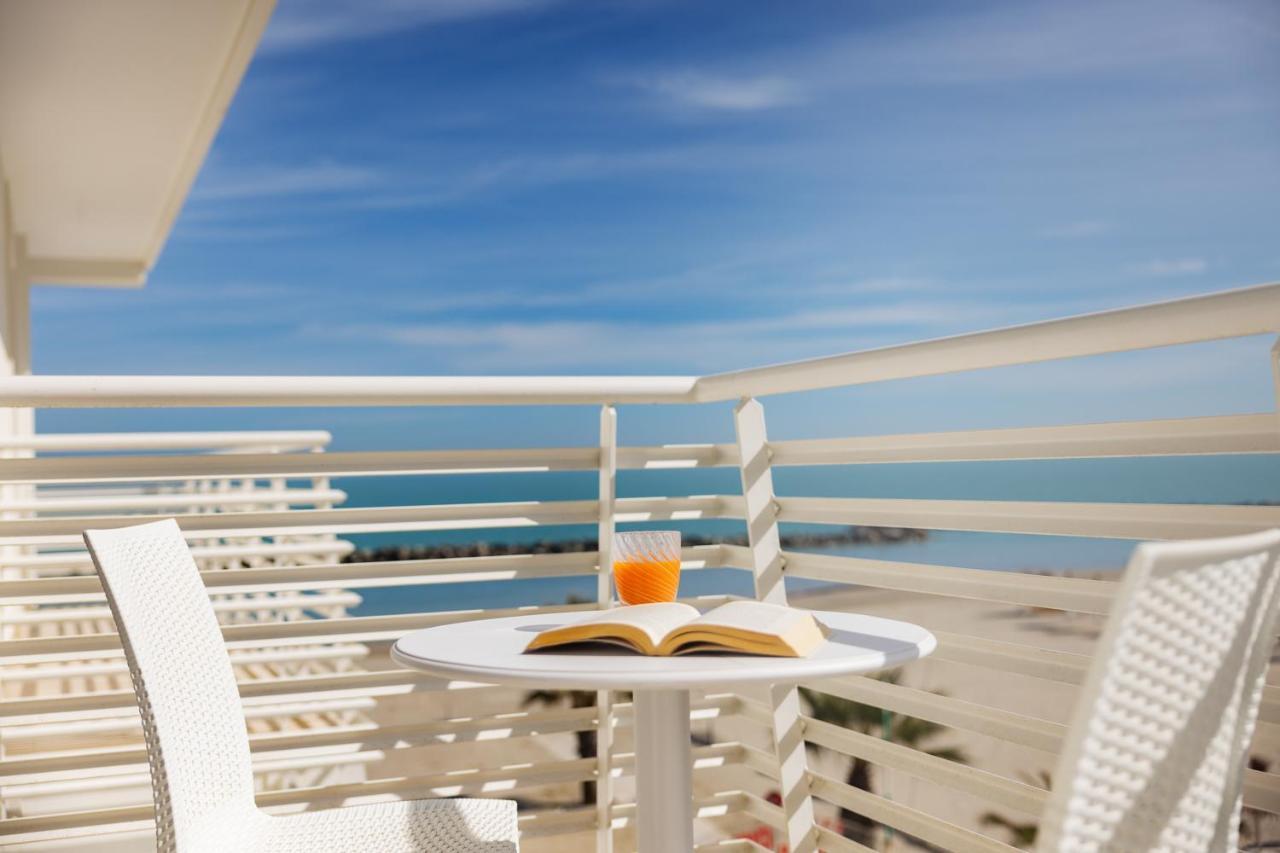
Wide beaches of fine sand with shallow waters
A pleasant climate and warm sea
A history of tourism development that began in the 19th century as health tourism and subsequently evolved into mass tourism
A comprehensive range of experiences combining nature, culture, entertainment and fine dining
A key socio-economic player in the Emilia-Romagna region and a major European destination for summer holidays.
The Adriatic coast
The Italian Adriatic coast, stretching for around 1,200 km from the Friuli-Venezia Giulia region to Puglia, is one of the country’s historically most important areas for seaside tourism. Its main features are sandy beaches, varying in width depending on the stretch, a generally calm sea with shallow waters, and a mild climate, which is particularly pleasant in summer. The coastline is predominantly flat, with rivers often flowing into lagoons or wetlands, particularly in the north, whilst further south there are varied stretches alternating with hilly areas.
The history of tourism development along the Italian Adriatic coast dates back to the nineteenth century, particularly in the more progressive resorts such as Rimini, which in 1843 opened the first official seaside resort, regarded as a place for therapeutic sea-bathing. This marked the beginning of a fundamental economic and social transformation for many small coastal towns, which evolved from fishing villages into holiday destinations. Seaside tourism gradually became widespread, with the middle classes and the aristocracy viewing sea bathing as both a health benefit and a social occasion.
The 20th century, and in particular the period following the Second World War, saw the advent of mass tourism, driven by improved transport infrastructure (railways, motorways) and Italy’s economic growth, which enabled wider sections of the population to go on summer holidays. The Adriatic coast became dotted with hotels, guesthouses, well-equipped beach resorts, amusement parks and a growing range of dining and leisure facilities. Today, many resorts from north to south are designed to offer holidays for all types of visitors, from family-friendly relaxation to entertainment for young people, combining nature, culture, local history and gastronomy.
In summary, the Italian Adriatic coast is characterised by:
Wide beaches of fine sand and a warm sea with shallow waters
A pleasant Mediterranean climate, especially in summer
The origins of seaside tourism in the mid-19th century, with the emergence of therapeutic and social tourism
Mass expansion of tourism in the post-war period, accompanied by growth in construction, infrastructure and accommodation facilities
A diverse range of options, from family-friendly resorts to destinations for young people and sports enthusiasts, featuring important cultural and natural sites
This development has made the Adriatic coast a key national and international destination for summer holidays in Italy, with the Riviera Romagnola – one of its most famous and well-developed areas – playing a particularly prominent role.
Here is a comparison of the Romagna Riviera with other Italian Adriatic coastlines in terms of their tourism and development characteristics:
| Appearance | Riviera Romagnola | Other parts of the Italian Adriatic coast |
|---|---|---|
| Location | Emilia-Romagna, from the mouth of the Reno to Gabicce Monte | It ranges from Friuli-Venezia Giulia to Puglia |
| Beach features | Wide beaches of fine sand, warm sea and shallow waters | A succession of sandy beaches, cliffs and coves |
| Tourism target | Mass tourism, families and young people, particularly along the Rimini–Riccione stretch | More varied: families (e.g. Cattolica), nature tourism (e.g. Conero Park), historic towns (e.g. Venice) |
| Infrastructure development | A rapidly developing area with many hotels, beach resorts, amusement parks and a lively nightlife | Less concentrated in certain areas, more closely linked to historic villages and the natural environment |
| History of tourism | Tourism began in the 1800s as a therapeutic seaside resort and boomed in the post-war period | A rich history, with ancient cities such as Venice attracting cultural tourism |
| Atmosphere and style | Lively, modern and diverse, from bustling beaches to trendy and fashionable spots (e.g. Riccione) | More peaceful and unspoilt in some areas, more historic in others |
| Examples of places | Rimini, Riccione, Cattolica, Cesenatico | Venice, Conero Park, Abruzzo with its alternating sandy beaches and cliffs, and Puglia, which is more geared towards tranquillity and nature |
In summary, the Romagna Riviera is characterised by well-organised and diverse mass tourism, with a strong presence of accommodation and entertainment facilities, making it particularly suitable for families and young people. The other Italian Adriatic coasts often offer a more balanced mix of nature, history and cultural tourism, with both sandy and rocky stretches, and a lower concentration of resorts with high tourist density, favouring more natural or historic landscapes.