The Belle Époque was a period of cultural and artistic prosperity that took place in Europe between the late 19th and early 20th centuries. It was characterised by a sense of optimism, technological advances and social progress.
The influence of the Belle Époque was also felt in Romagna, a region in northern Italy. The region experienced economic growth and improvements in infrastructure, such as the construction of railways and the expansion of tourism.
The coastal towns of Romagna, such as Rimini and Riccione, became popular holiday destinations for the upper middle class. They were drawn by the region’s beautiful beaches, its mild climate and the presence of luxurious resorts, where they could enjoy recreational activities and entertainment.
Furthermore, Romagna It became a hub for cultural events and artistic movements. The region witnessed the rise of artistic movements such as Italian Futurism, which celebrated modernity, speed and technology. Artists such as Umberto Boccioni, who was born in Romagna, played a significant role in promoting this movement.
Overall, the Belle Époque in Romagna brought about significant changes to the region, transforming it into a prosperous and culturally vibrant area. Today, the legacy of this period is still evident in the region’s architecture, cultural events and artistic traditions.
La dolce vita in Rimini
La La dolce vita in Rimini This refers to the lively atmosphere and the many leisure opportunities the city has to offer. Rimini, situated on the Adriatic coast in Italy, is famous for its beautiful golden sandy beaches, crystal-clear waters and lively nightlife.
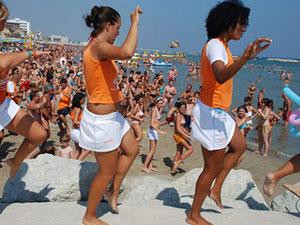
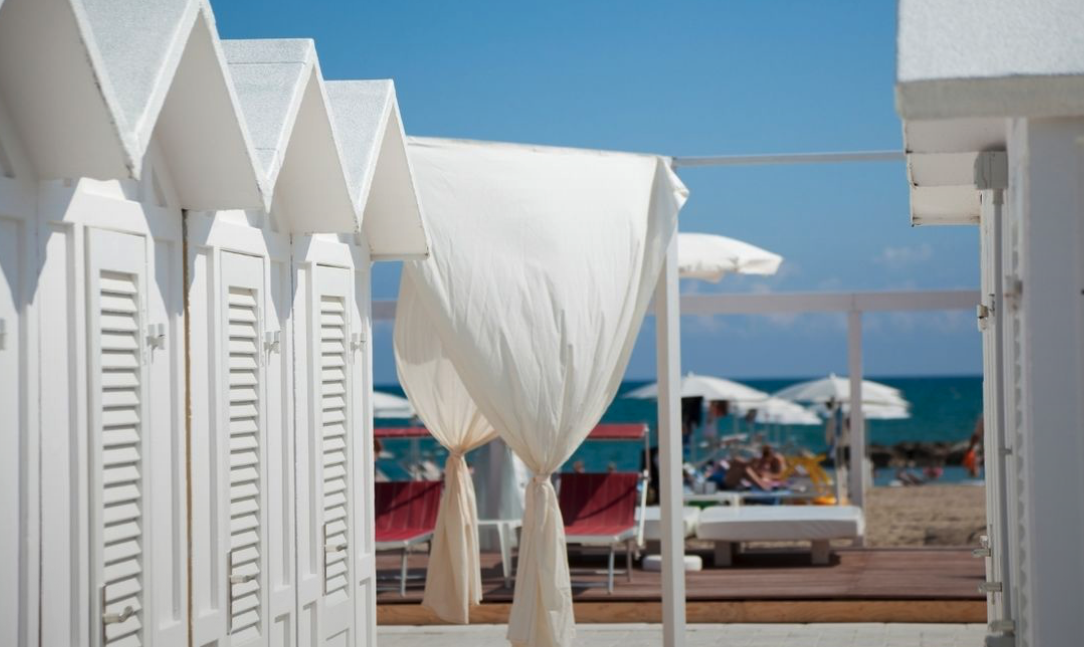
During the day, Rimini’s beaches fill with tourists and locals enjoying the sun and the sea. There are numerous beach clubs offering sun loungers and parasols for relaxation, whilst the seafront promenade is bustling with shops, bars and restaurants serving typical local dishes such as piadina and gelato.
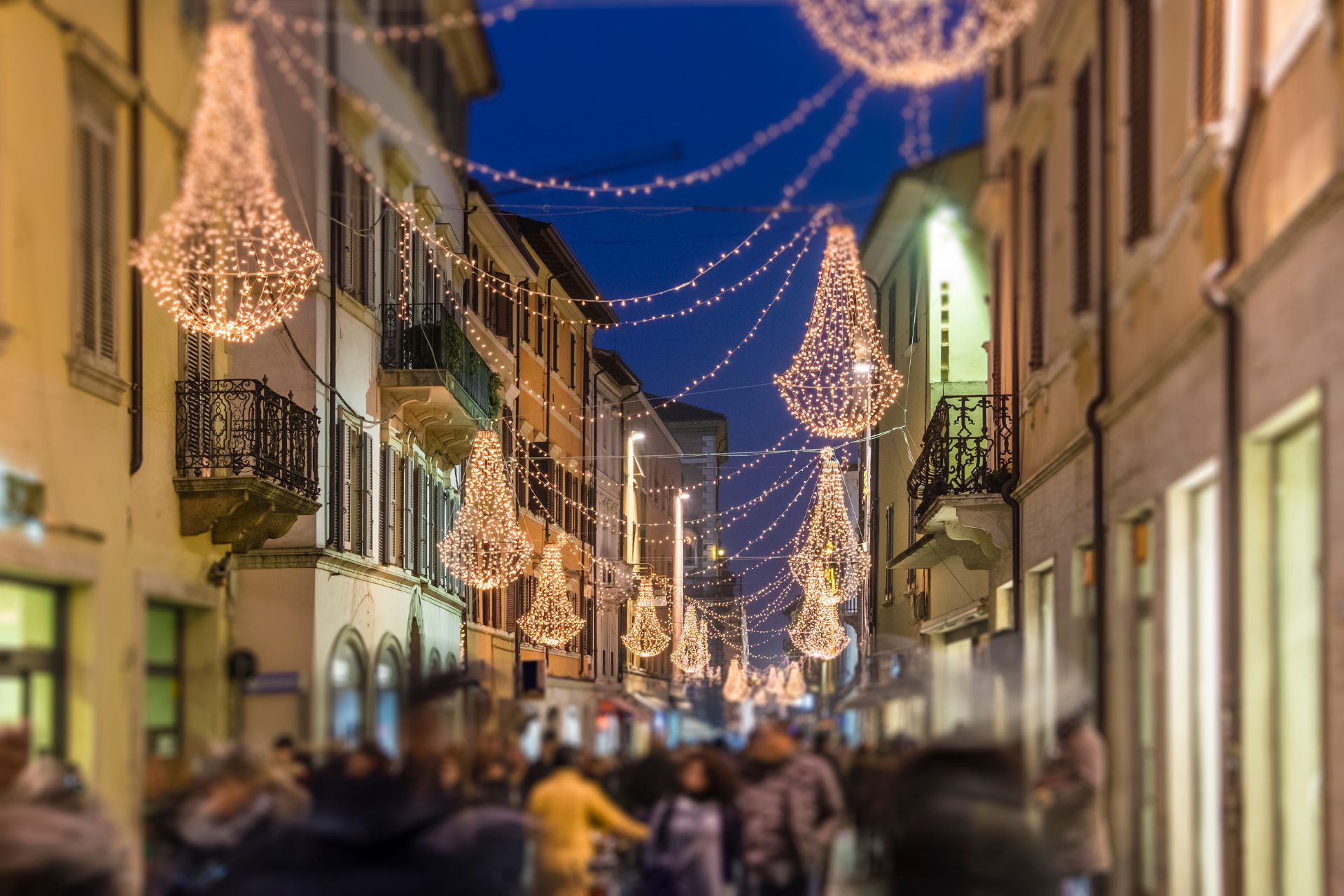
La dolce vita continues into the evening, when Rimini comes alive with its many nightspots, nightclubs and beach bars. From Piazzale Fellini to Viale Vespucci, there are plenty of options for enjoying yourself until late at night, dancing, sipping cocktails and socialising with friends.
Rimini is also known for its history and culture. The city is famous for being the birthplace of the film director Federico Fellini, and its connection with cinema is evident in the Fellini Museum, which chronicles the director’s life and work. Furthermore, Rimini’s historic centre offers a lovely stroll through ancient squares and cobbled streets, with the majestic Arch of Augustus marking the start of this charming area.
La dolce vita in Rimini offers a blend of relaxation and fun, beach parties, culture and tradition. It is a place that attracts visitors of all ages, from sun and sea lovers to those seeking a lively nightlife and a rich cultural offering.
Fellini and Rimini: interesting facts and history
Federico Fellini (1920–1993) was a famous Italian film director and screenwriter, known for his surrealist and dreamlike style. He is regarded as one of the greatest film directors in the history of cinema and won numerous awards, including four Oscars.
Born in Rimini, a city situated on the Adriatic coast of the Emilia-Romagna region in Italy, Fellini spent much of his childhood there. Rimini is a city steeped in history and culture, and this environment had a profound influence on Fellini’s work.
One of Fellini’s most famous works is *Amarcord*, a 1973 film that tells the story of a young boy growing up in Rimini during the Fascist era. This film is a tribute to his hometown, and many of the scenes were shot in Rimini itself.
Rimini also has a very close connection with the sea, which often features in Fellini’s films. In fact, several of his films are set on the beach and draw on Rimini’s seaside traditions.
As well as his connection with Rimini, Fellini is also known for having worked with many internationally renowned actors and actresses. He frequently collaborated with his wife, the actress Giulietta Masina, who was one of his muses. Other actors who have worked with Fellini include Marcello Mastroianni, Claudia Cardinale and Anita Ekberg.
Fellini left a lasting legacy in the world of cinema and was an influential figure in the Italian cinema movement. His works have inspired many subsequent directors and have helped to shape the way cinema is conceived and appreciated.
Rimini in the 1960s and 1970s
In the 1960s and 1970s, Rimini was one of Italy’s leading tourist destinations. The coastal town on the Adriatic coast was particularly popular with young people looking for sun, sea and fun.
During this period, Rimini became famous for its lively nightlife and its beaches. Young Italians and foreigners flocked to the town to enjoy the sea and take part in the night-time parties at the numerous beachside bars.
In particular, Rimini became a magnet for young people seeking a unique nightlife experience. Nightclubs such as the famous ‘Altromondo Studios’ attracted thousands of people to dance until dawn.
Furthermore, Rimini played an active role in Italian popular culture at the time. For example, it was one of the places where the famous Italian singer and actor Adriano Celentano performed regularly.
Tourism was one of the main drivers of Rimini’s economic development during those years, and many tourist facilities, such as hotels and accommodation facilities, were built to meet the ever-increasing demand.
Today, Rimini still retains its appeal as a tourist destination, even though the nature of tourism has changed over the years. The city has become more sophisticated and offers many cultural attractions, as well as beaches and a lively nightlife.