Romagna retains a retro spirit that comes to the fore in the most diverse of places: dance halls, historic venues, cinemas, seaside resorts, villages, markets and spots that seem to belong to another era. It is not simply a matter of seeking out venues furnished in a vintage style, but of discovering retro spots in Romagna which bring to life snippets of local history, from holidays on the Riviera to dance evenings, via Italy’s motoring heritage and the atmosphere of small towns in the hinterland.
Where to find vintage and retro atmospheres in Romagna
To search vintage spots in Romagna We must begin by noting a particular feature of this area: here, the past is not necessarily confined to museums. Much of the atmosphere of the 1950s, 1960s, 1970s and 1980s lives on in businesses that are still open, historic buildings, shop signs, furnishings, squares and traditions that continue to form part of everyday life.
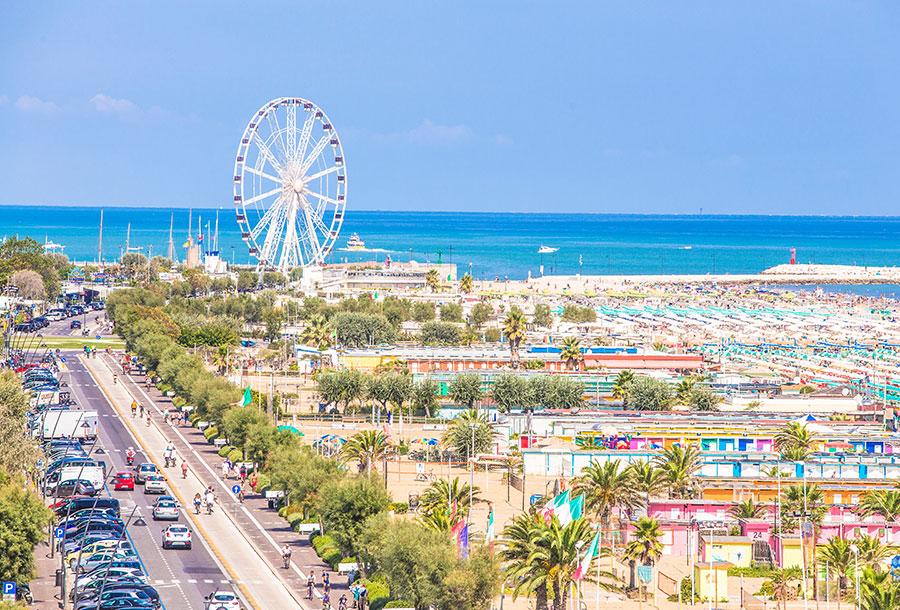
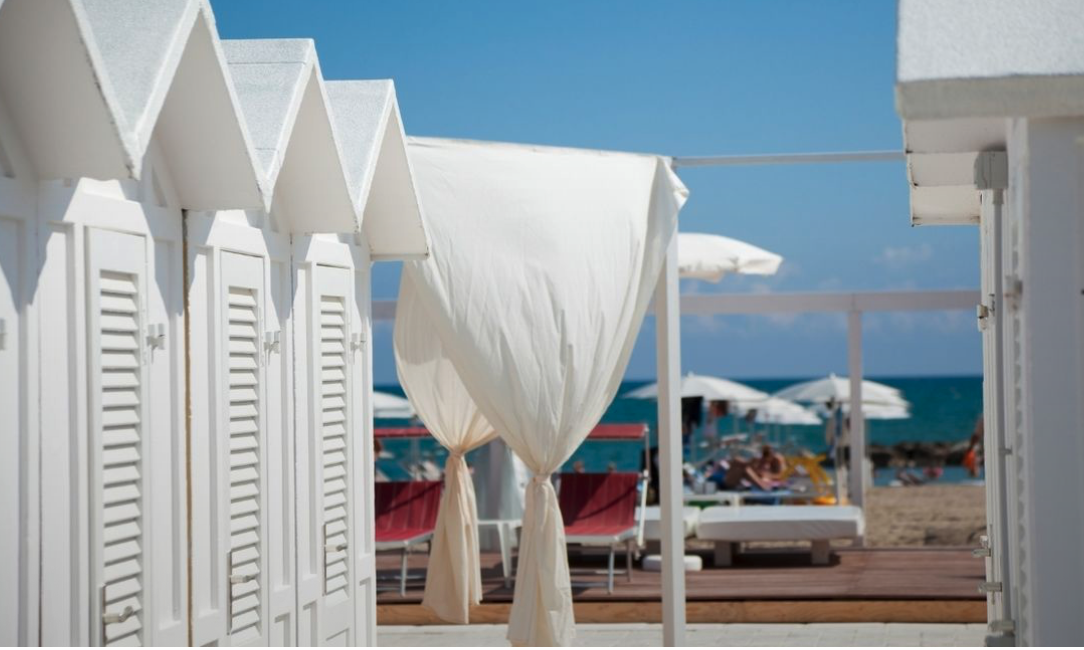
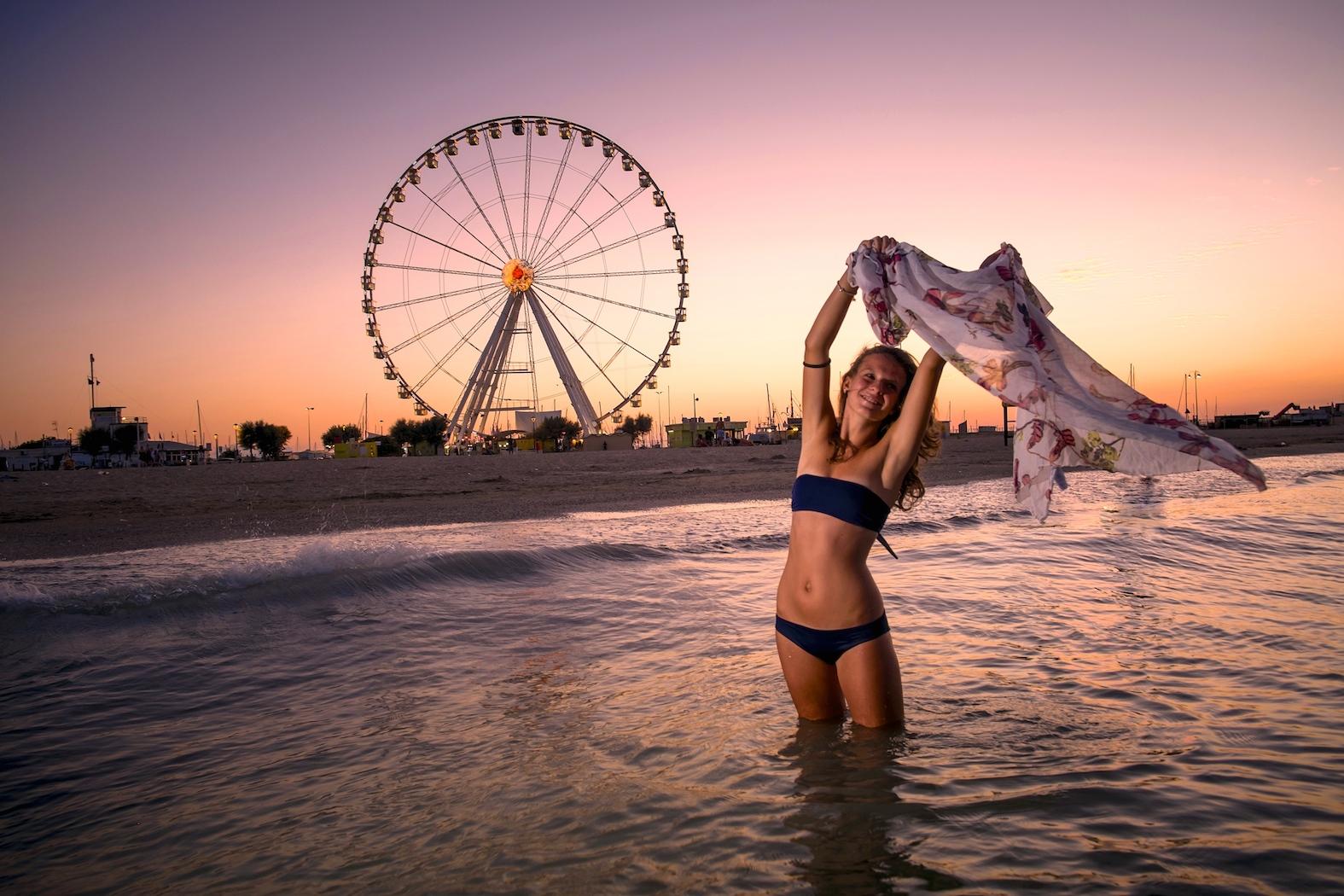
The Riviera is probably the most obvious place to start. Rimini, Riccione, Cesenatico, Cervia and Milano Marittima played a leading role in the development of Italian seaside tourism and still retain numerous traces of that era. You only need to venture away from the more modern establishments to come across hotels with old-fashioned architecture, old guesthouses, beach huts, seaside bandstands, historic signs and beach clubs that have retained some elements of their original character.
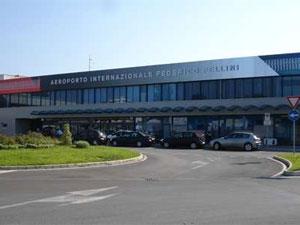
In Rimini, the link to the past also takes on a cinematic dimension. The city is inextricably linked to Federico Fellini and a world of imagination shaped by cinema, provincial life, entertainment and holidays. The historic centre and Borgo San Giuliano offer a glimpse of some of these charms, whilst the Fellini Museum It offers a contemporary perspective on the director’s world and his relationship with Rimini.
Even entertainment in Romagna has a strong nostalgic element. The dance halls of Romagna, the dance halls and venues that continue to feature live music are a reminder of a time when going out dancing was one of the week’s main social events. The Romagna-style ballroom dancing, featuring waltzes, polkas and mazurkas, is part of this history and remains one of the region’s most recognisable cultural expressions.
The ‘Romagna retro’ style, therefore, does not correspond to a single style. It can refer to the elegance of a 20th-century seaside resort, a ballroom, an old cinema, a shop, an antiques market or a village where time seems to have passed more slowly.
Rimini: cinema, the Grand Hotel and memories of holidays
Among the towns on the Riviera, Rimini is one of the most interesting destinations for those looking for a retro atmosphere. A symbolic stop is the Grand Hotel Rimini, a building opened at the start of the 20th century which, over time, has become part of Fellini’s cinematic world. Its architecture evokes a bygone era of tourism very different from today’s, characterised by long stays, grand ballrooms and elegant holidays.
Not far away, the route can continue towards the historic centre. The Cinema Fulgor is another venue closely linked to the city’s cinematic heritage. The cinema, which has been restored and given a new lease of life, retains a charm that resonates with the history of cinema and with Fellini’s connection to Rimini.
It’s also worth making the trip to Borgo San Giuliano, a neighbourhood characterised by low-rise houses, narrow streets and murals. It is not an artificially created ‘vintage’ neighbourhood, but it is precisely for this reason that it manages to convey the feeling of a Rimini that is different from the contemporary seaside resort.
Cesenatico and the charm of the canal harbour
Anyone who associates retro with old seaside resorts on the Adriatic In Cesenatico, you’ll find a particularly charming atmosphere. The Porto Canale Leonardesco runs through the historic centre and is home to traditional boats that evoke the city’s seafaring past.
This area offers the chance to explore a route that is a world away from the Riviera’s more modern image. The houses overlooking the canal, the historic boats, the narrow side streets and a number of traditional businesses evoke a slower, more intimate atmosphere.
Of particular interest is the Maritime Museum, which gives an insight into how people lived and worked along the coast before tourism became one of the main economic activities in Romagna. It is a different kind of journey through time from the classic 1960s vintage style, but one that is essential for understanding how the Riviera has changed.
The dance halls and the world of ballroom dancing in Romagna
If you want to get a feel for what Romagna was like a few decades ago, you cannot overlook dancing. Dance halls, bands and Romagna-style ballroom dancing have been a defining feature of leisure and social life in the area for generations.
Some dance halls have retained a traditional layout, with large dance floors, tables arranged around the dancing area and evenings enlivened by live bands. Stepping into one of these venues means discovering a slice of popular culture that is still very much alive, rather than simply observing a reconstruction.
The liscio is also associated with figures and families who have helped to make it famous far beyond the region’s borders. For those looking for Authentic retro experiences in Romagna, a dance evening can therefore be more meaningful than a venue specifically designed with vintage furniture and nostalgic décor.
Vintage and antiques markets
Another way to explore the past is to visit the Antiques and vintage markets in Romagna. Throughout the year, numerous towns and cities organise events dedicated to furniture, vinyl records, prints, books, ceramics, toys, promotional items and accessories from bygone eras.
These markets offer a wide variety of items: from 20th-century home furnishings to old photographs, from radios to records, right through to clothing and accessories.
Before setting off, it is always a good idea to check the dates and venue of the event, as many markets take place monthly or are only held at certain times of the year.
For enthusiasts, this search can also provide an opportunity to explore lesser-known historic centres, combining a visit to the market with a tour of shops, cafés and small local businesses.
Predappio and Rationalist architecture
The concept of ‘retro’ can also extend to architecture. Predappio is a special case due to the presence of numerous Rationalist buildings constructed during the Fascist period, linked to the town’s urban transformation during the 20th century.
This heritage must be viewed within its specific historical context. The buildings provide an opportunity to study the forms, materials and urban planning concepts characteristic of Italian architecture between the 1920s and 1940s, without separating them from the political history against which they were built.
For those interested in urban photography or the history of architecture, Predappio therefore offers an experience very different from the seaside atmosphere of the coast.
Terra del Sole, Brisighella and the villages where time slows down
To find settings with an old-world charm, you also need to head inland. Brisighella, nestled in the hills around Faenza, boasts a historic centre of narrow streets, traditional buildings and picturesque views – the perfect setting for a day away from the hustle and bustle of the coast.
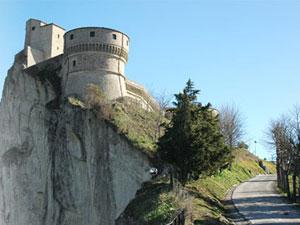
Another very distinctive feature is Land of the Sun, a fortified Renaissance citadel with a regular urban layout. In this case, we are looking back much further than the 20th century, but the experience fulfils the same desire to visit places where contemporary architecture has not completely erased the sense of the past.
Other small inland towns can also hold surprises: old shop signs, village cafés, small shops, theatres and social clubs often provide interesting details for those who love photographing the A less modern, more nostalgic Romagna.
Imola and the legacy of motorsport
The Romagna vintage scene also includes cars and motorbikes. Imola is inextricably linked to the history of motorsport thanks to theEnzo and Dino Ferrari International Circuit, which over the decades has hosted races that have gone down in the history of motor racing and motorcycling.
For enthusiasts, the Imola area offers the chance to combine a visit to the town with an exploration of motoring culture and a look back at past racing events. Events dedicated to historic vehicles, rallies and themed activities can make the experience even more interesting, particularly when they give visitors the chance to see cars and motorbikes from different eras up close.
In this case too, it’s a good idea to check the calendar in advance: many historic motoring events do not take place annually and their dates may change from one year to the next.
How to plan a retro itinerary in Romagna
A A retro tour of Romagna It can be organised around a historical period or a theme. Those who love the era of Adriatic seaside holidays can focus on the coast, taking in Rimini, Riccione and Cesenatico. Those who prefer folk culture and traditions can instead look for dance halls, festivals and events dedicated to ballroom dancing.
For antiques and vintage items, it’s best to plan your trip around the dates of the flea markets, whilst photography enthusiasts can alternate between coastal towns and inland villages.
The most interesting option, however, is often to mix things up. A day might begin amongst the architecture and film locations of Rimini, continue in search of old signs and beach establishments along the Riviera, and end in a dance hall. Another itinerary could combine Cesenatico, its seafaring history and an antiques market.
It is precisely this variety that makes the search for retro spots in Romagna. Here, the past does not belong to a single era and does not always need to be reconstructed: it lives on in the seaside towns, the villages, the dance halls, the cinemas, the cars and in so many small, everyday details. Seeking them out means observing Romagna from a different perspective, discovering what lies behind the contemporary image of one of Italy’s best-known tourist destinations.