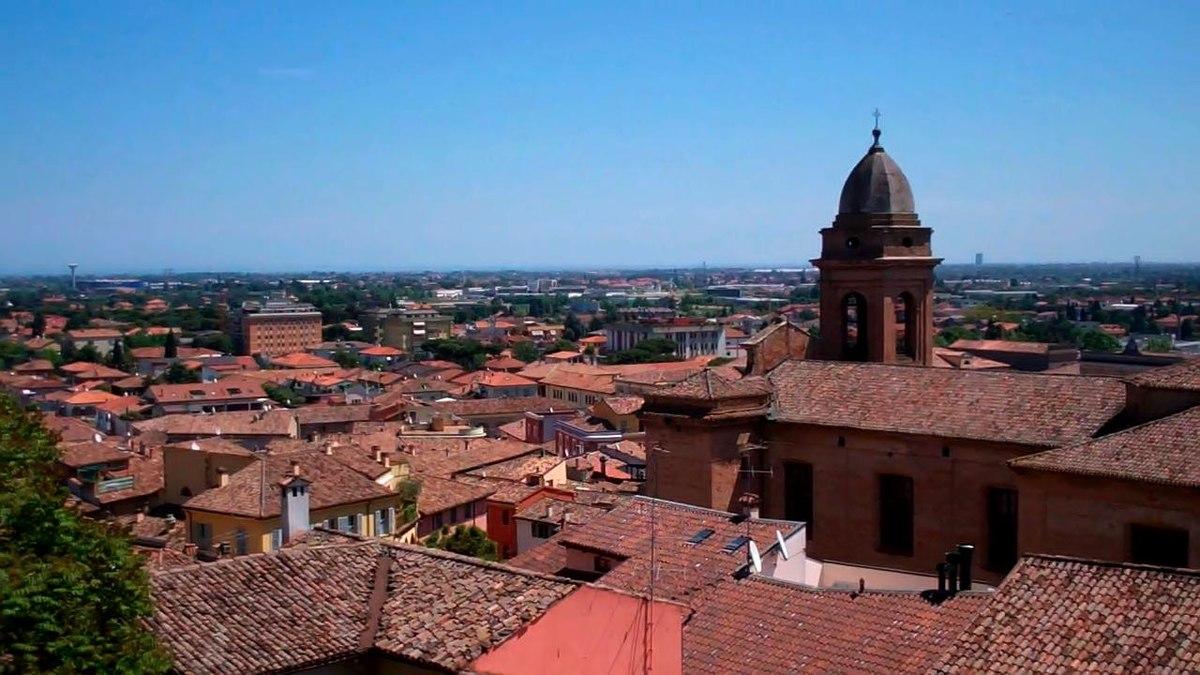
The River Marecchia: the watercourse that gave rise to the history of Rimini
Visitors to Rimini will easily find themselves captivated by the beaches, the historic centre or the famous Tiberius Bridge. Few people realise, however, that much of the city’s history revolves around a silent protagonist that has been shaping the Romagna landscape for thousands of years: the River Marecchia.
This watercourse is not only one of the most important natural features of Romagna, but also stands as a true testament to the region’s history. It accompanied the settlement of the Etruscans, fostered the development of the Roman colony of Ariminum, influenced medieval urban planning and continues to this day to be a place where nature, sport and leisure coexist harmoniously.
Following the Marecchia River takes you on a journey through more than two thousand years of history, taking in mountains, medieval villages, Malatesta castles and ever-changing landscapes, until you reach the Adriatic Sea.
Where the River Marecchia rises
The Marecchia has its source in the Tuscan-Romagnolo Apennines, near Pratieghi, in the municipality of Badia Tedalda, on the slopes of Monte Zucca, at an altitude of over 1,200 metres.
From here, it flows for around 70 kilometres through Tuscany, the Marche and Emilia-Romagna before emptying into the Adriatic Sea between San Giuliano Mare e Rivabella, in the northern part of Rimini.
Its catchment area covers one of the most fascinating regions of central Italy: the Valmarecchia, a valley rich in castles, Romanesque parish churches, medieval villages and landscapes that alternate between mountains, hills and plains.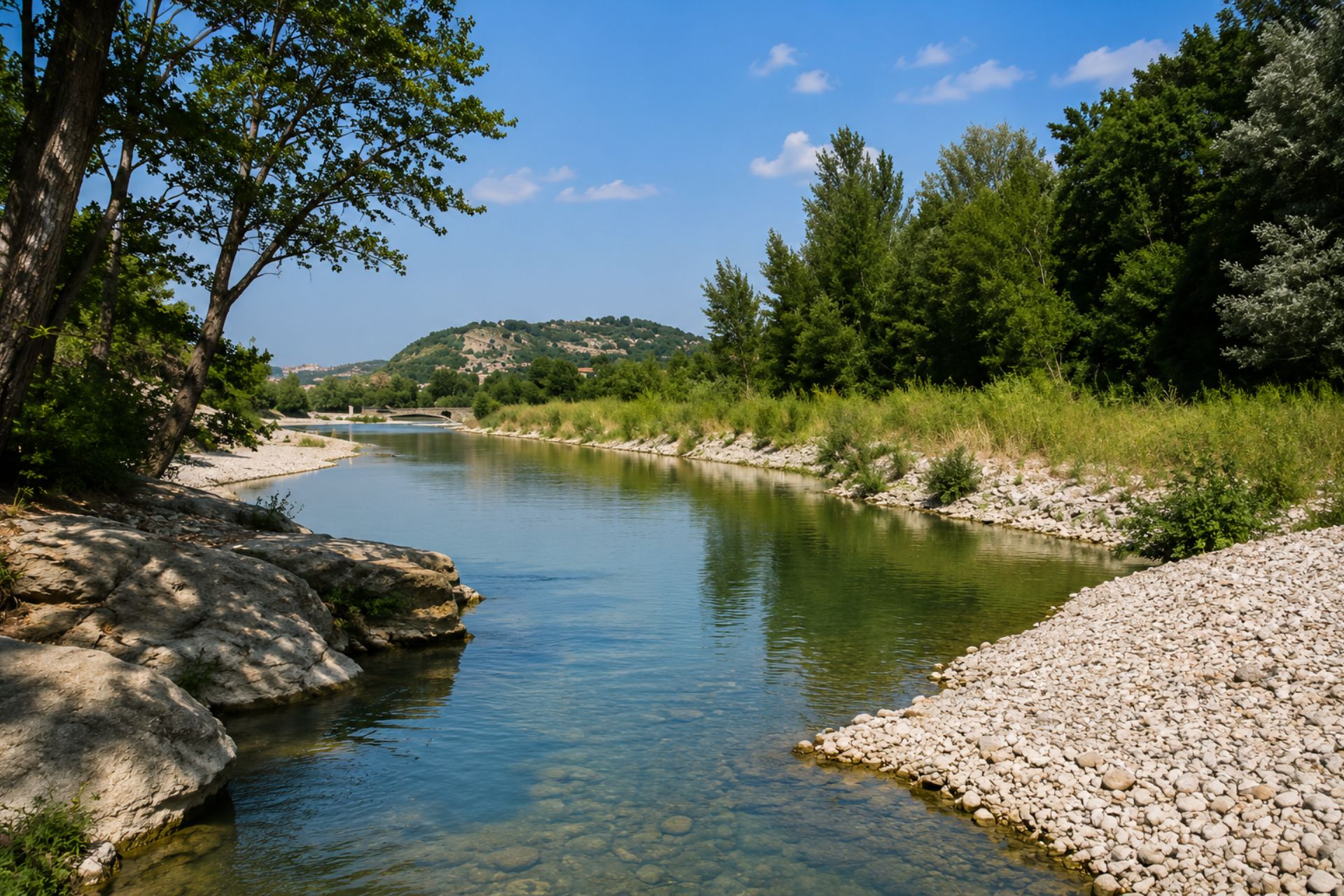
Over the centuries, the river has served as a vital transport route, an indispensable source of water for agriculture, and a strategic asset from both an economic and a military perspective.
The origins of the name: from Armne to Ariminus
Long before the arrival of the Romans, the area was inhabited by the Etruscans, who had one of their most important centres in the nearby town of Verucchio.
It was they who gave the river its name Armne, a term thought to derive from the Etruscan root Rumon, simply ‘river’.
The small village that had sprung up along its banks was also called Arimmna, meaning ‘the city on the river’. It was a strategic settlement thanks to its proximity to the water and the ability to control the trade routes leading into the hinterland.
When, in 268 BC. The Romans founded the colony of Ariminum, the name of the river was Latinised to Ariminus, whilst Arimmna became known definitively as Ariminum.
Even today, the name of the city of Rimini retains this ancient link with the Marecchia, bearing witness to just how crucial the river was to the founding of the town.
The Marecchia River in ancient Rimini
In Roman times, the Marecchia followed a very different course from its present one.
In fact, the river used to flow through the area now occupied by the Tiberius Bridge, built specifically to allow the Via Emilia to cross over its natural riverbed.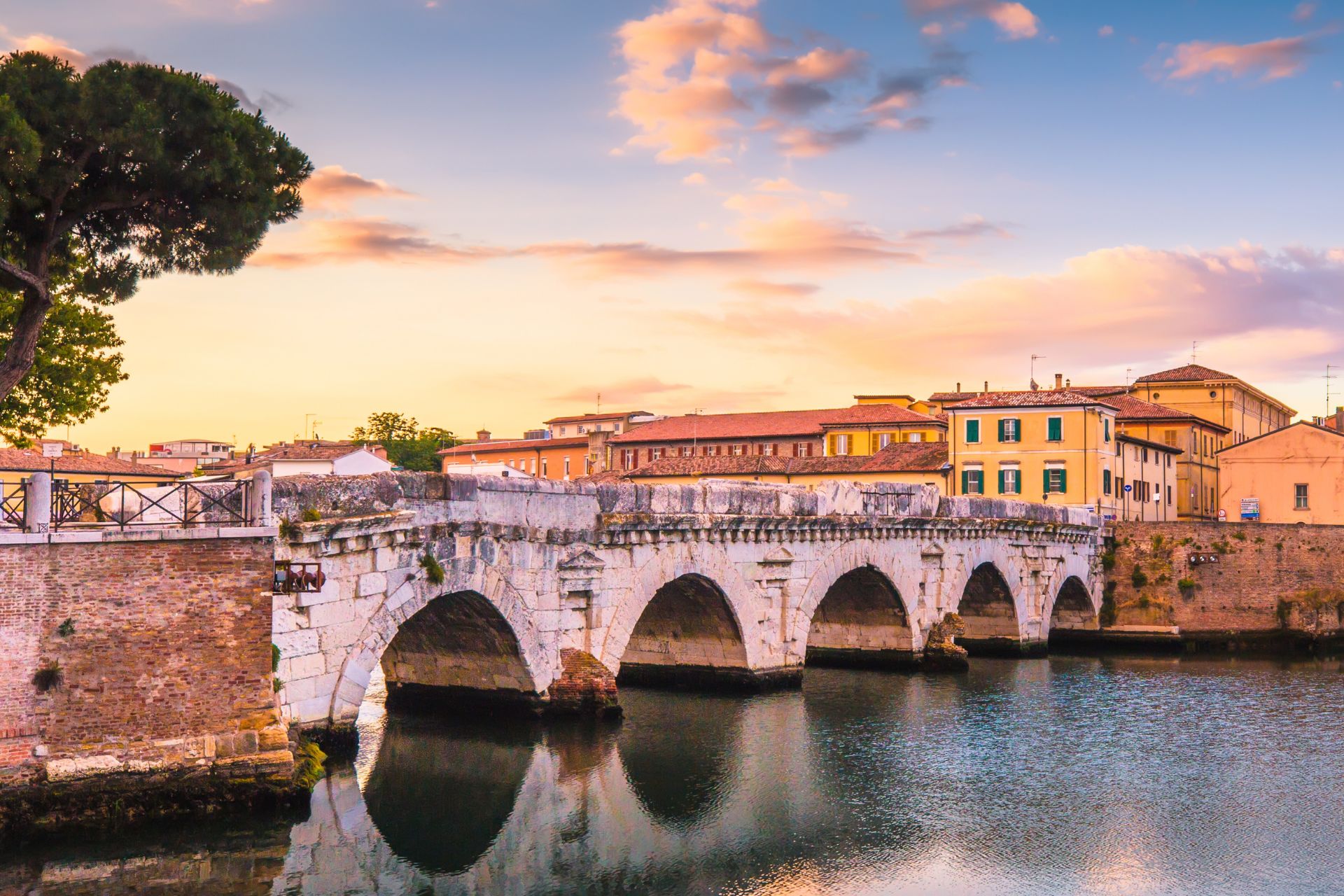
After passing under the bridge, the Marecchia River made a wide bend to the right, flowing towards the area where the railway station and the surrounding open spaces now stand.
At that time, the sea lay much further inland than today’s coastline, and the Roman harbour was situated precisely in the area now occupied by the southernmost part of the city centre.
Thanks to the navigability of the river’s lower reaches, Ariminum quickly became one of the main commercial hubs on the Adriatic, linking the sea with the great Roman consular roads such as the Via Emilia, the Via Flaminia and the Via Popilia.
From the Middle Ages to the Malatesta family
As the centuries passed, the Marecchia’s flow gradually diminished and the sea began to recede towards the present-day coastline.
The inhabitants of Rimini gradually altered the river’s lower course, channelling it to make better use of its water power and creating what would become the present-day canal harbour.
The family, too Malatesta, a key figure in Rimini’s history between the 13th and 15th centuries, contributed to the reinforcement of the embankments through major construction works.
At that time, the Porta Galliana It served as the link between the fortified town and Borgo Marina, which had developed along the riverbank all the way to the sea.
The Marecchia River therefore continued to play a central role both in the defence of the city and in trade.
The diversion canal: the project that transformed Rimini
The current mouth of the Marecchia is the result of a major engineering project carried out between 1924 and 1930.
For centuries, the river had caused frequent flooding, which had caused problems for the town centre and the surrounding areas.
To resolve the problem once and for all, the so-called diverting channel, a new artificial riverbed approximately two kilometres long which channelled the Marecchia directly towards the sea, between the beaches of San Giuliano Mare e Rivabella.
The project radically altered Rimini’s urban landscape, improving flood protection and contributing to the city’s modern development.
Even today, the lower reaches of the Marecchia follow this man-made course before flowing into the Adriatic.
The Marecchia today: nature and leisure
Whilst for centuries the Marecchia River has been primarily an economic and strategic resource, today it is one of the main green spaces in the entire province of Rimini.
Its banks are home to cycle and footpaths, nature reserves, urban parks and trails that are very popular with families, runners and cyclists.
The Marecchia Park, situated between the Tiberius Bridge and the hinterland, has become one of the favourite spots for the people of Rimini to go for a walk, play sport or simply relax surrounded by greenery.
During the warmer months, the river also provides the perfect backdrop for photography, birdwatching and outdoor activities.
The Valmarecchia: a journey through villages and castles
Following the course of the Marecchia means travelling through one of the most charming valleys in Romagna.
Along the route, you’ll come across villages steeped in history such as Verucchio, Santarcangelo di Romagna, Poggio Torriana, Novafeltria, Pennabilli e Saint Leo, each characterised by castles, fortresses and spectacular views.
Many visitors choose to explore the valley by car, motorbike or bicycle, stopping along the way to visit museums, sample local specialities and admire the landscape shaped over the centuries by the River Marecchia itself.
The valley is also famous for its hiking trails, limestone cliffs and routes designed for slow tourism.
Flora and fauna along the Marecchia
The river is home to a surprisingly rich ecosystem.
Poplars, willows, alders and reed beds grow along the riverbanks, providing the ideal habitat for numerous animal species.
Among the birds, you can spot grey herons, kingfishers, little egrets, cormorants and numerous birds of prey.
The waters of the Marecchia, on the other hand, are home to fish such as chub, barbel and vaironi, whilst in the calmer stretches it is not uncommon to spot turtles and small mammals.
This biodiversity makes the river a particularly popular destination for nature photographers.
A symbol that continues to tell the story of Rimini
The Marecchia is not just a river.
It is the common thread that links over two thousand years of history, from the ancient Etruscan civilisation to the Roman colony, from the rule of the Malatesta family right up to modern-day Rimini.
A stroll along its banks offers a close-up view of the place where the city was founded, an insight into how its harbour developed, and the chance to discover a more authentic side of the area, often off the beaten track of traditional seaside itineraries.
For this reason, a visit to the Marecchia is an experience that enriches any holiday in Romagna, offering the chance to discover a unique historical, scenic and natural heritage.
Discover the most authentic side of Romagna
During your stay, don’t just stick to the seaside. Explore the Valmarecchia, visit its historic villages, walk along the riverside paths and let yourself be amazed by a region where nature, culture and traditions have coexisted for over two thousand years.
Up SpecialeHotel.it You’ll find plenty of guides dedicated to the most fascinating places on the Romagna Riviera and in the hinterland, with ideas for day trips, itineraries and holidays to help you discover the true spirit of Romagna.