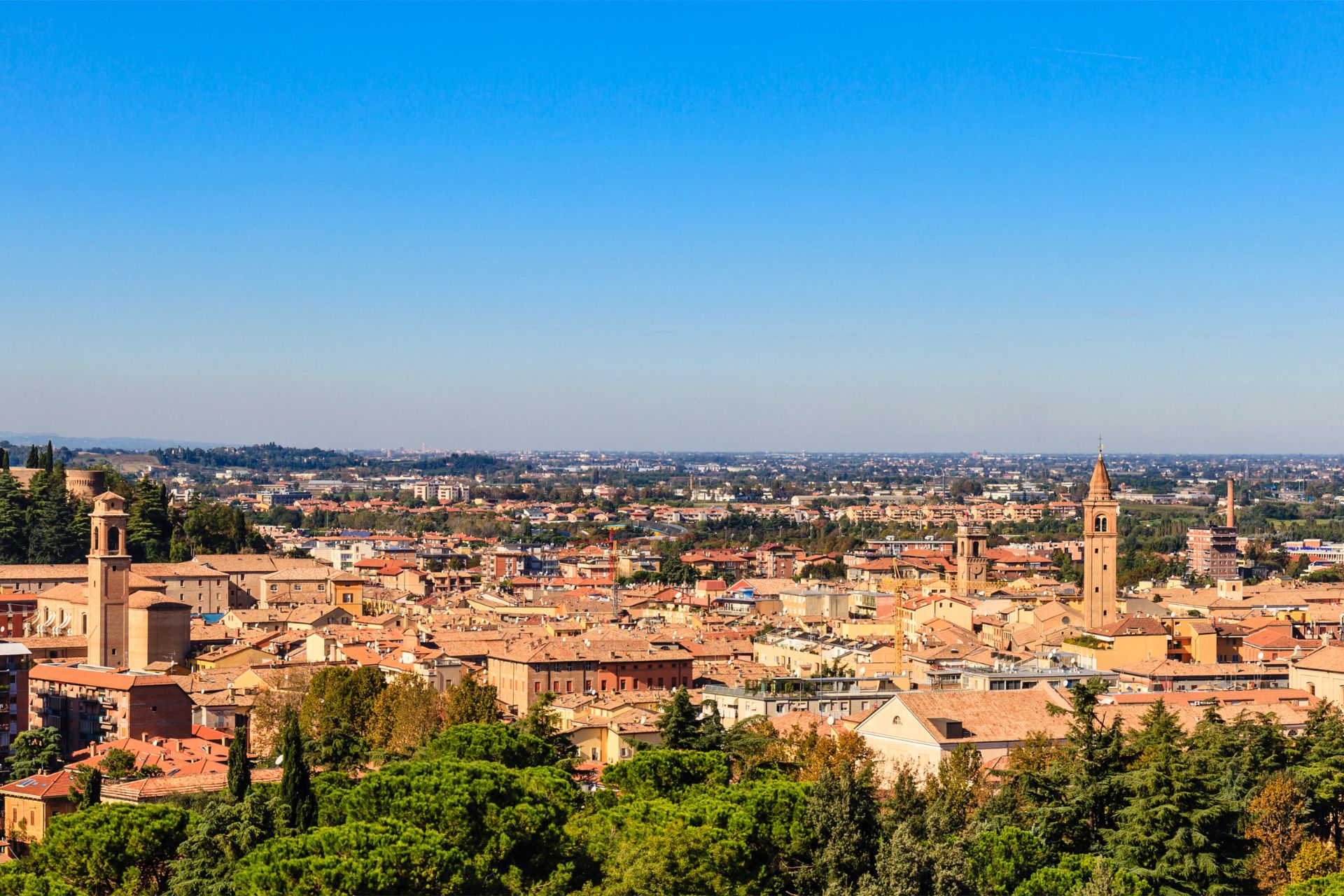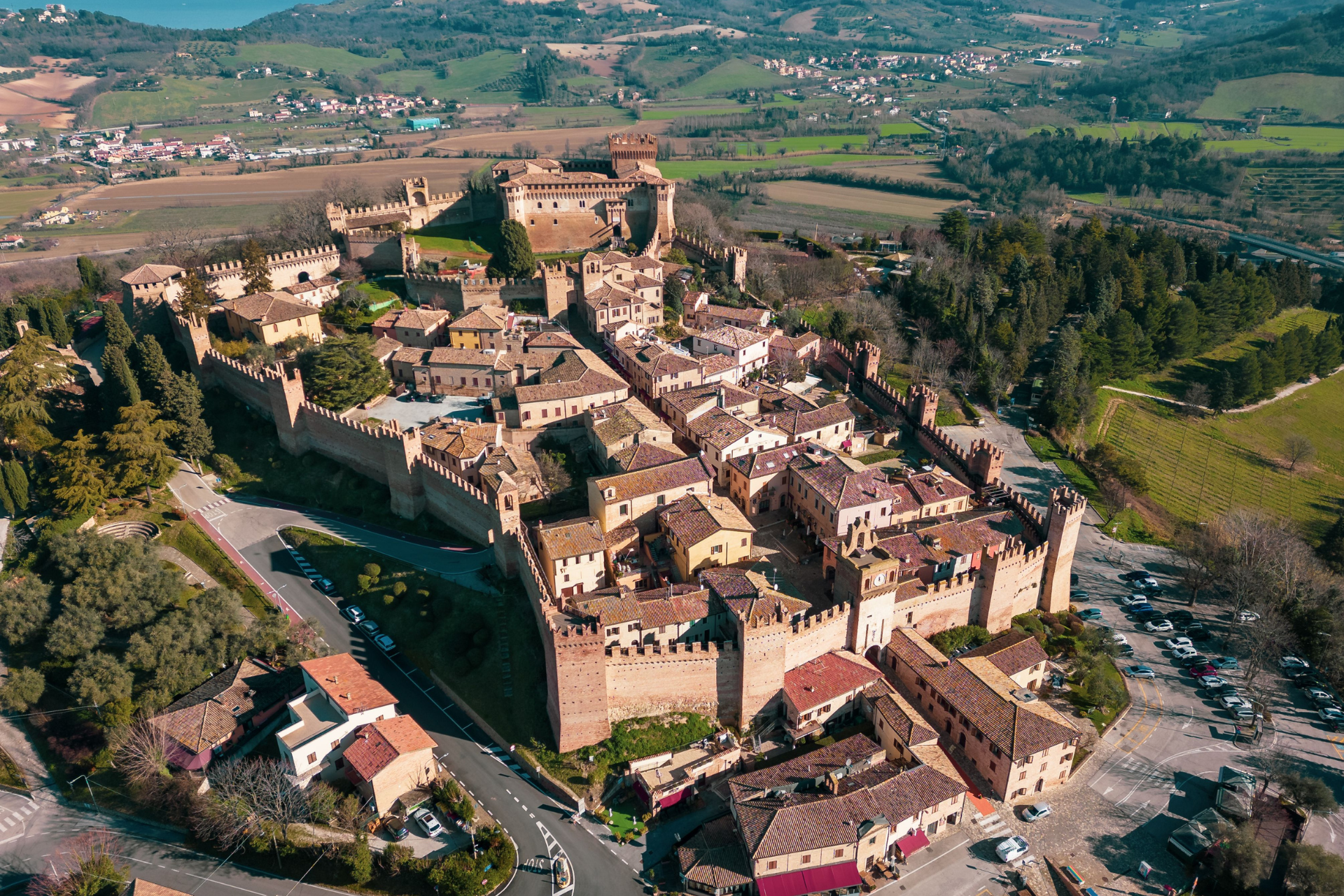
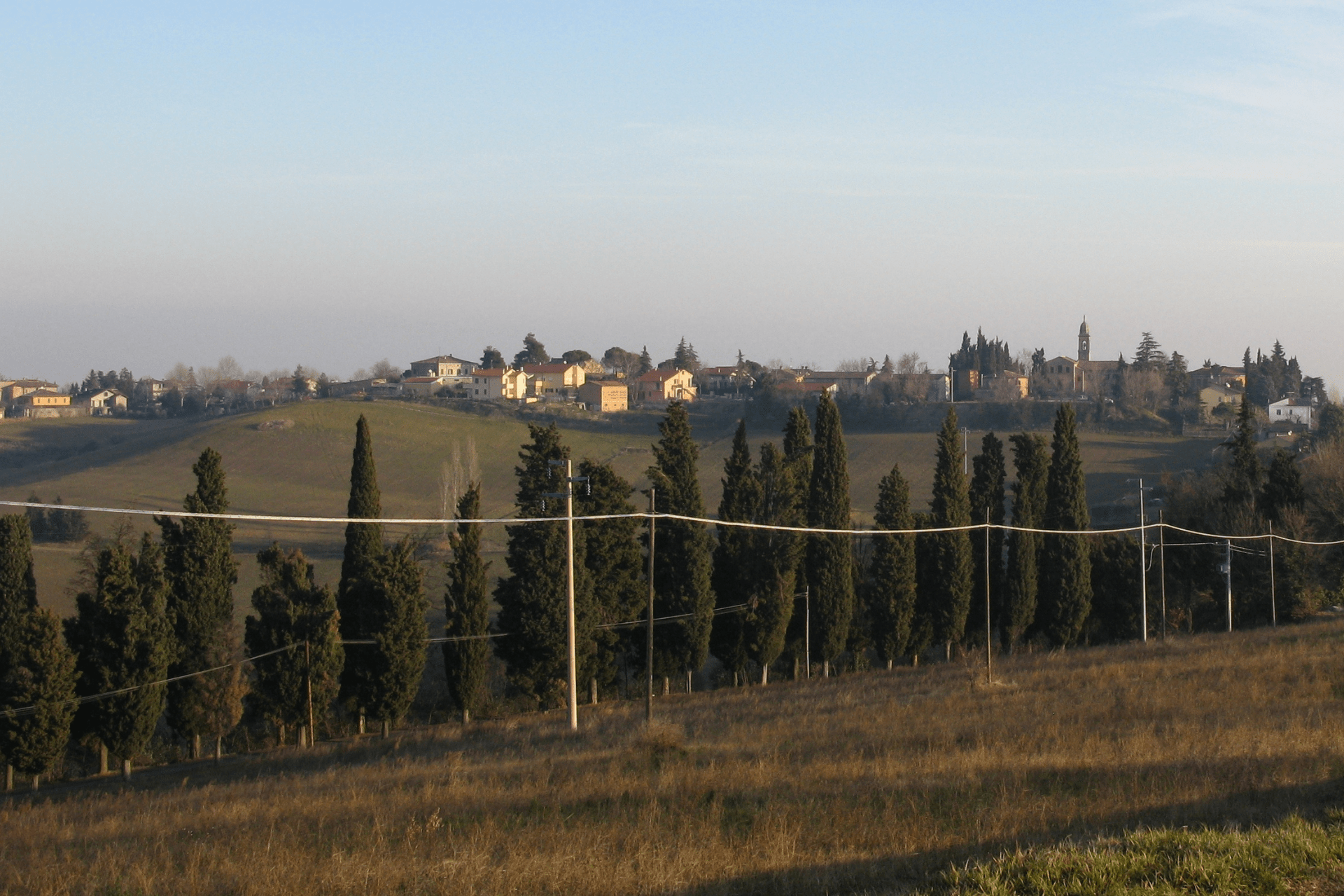
Poggio Berni (known as And Póz (in the Romagna dialect) is the village centre of the municipality of Poggio Torriana, nestled in the picturesque Valmarecchia, just a few kilometres from Rimini. A place that combines deep historical roots, fascinating architecture and a genuine the spirit of Romagna, perfect for those who want to explore the countryside and its hidden wonders.
In the past, Poggio Berni was a autonomous municipality which included the hamlets of Camerano, St Andrew’s, Saint Marino e Trebbio. The 1 January 2014, following the administrative merger with the neighbouring municipality of Torriana, the new local authority of Poggio Torriana. The Municipal Charter provided for the creation of the local councils to ensure comprehensive management of the territory and to promote its individual historical identities.
The origins: from the rule of the Malatesta family to the Tuscan principalities
During the Middle Ages, Poggio Berni was the Malatesta family’s fiefdom, one of the most powerful dynasties in Romagna, which he fortified the village and turned it into a strategic stronghold in the region. The Malatesta family’s presence left a profound mark, which can still be seen today in certain aspects of the town’s layout and in the remains of its defensive structures.
In 17th century, Poggio Berni came under the control of the the Montemaggi princes, a noble Tuscan family that has remained in the collective memory for its humanity and generosity. Don Sebastiano Montemaggi, for example, lobbied the Grand Dukes of Tuscany to ensure a dowry for poor girls, offering them the chance of a decent future. Father Giacomo, on the other hand, devoted himself to to improve prisoners’ conditions, by taking action against the cruel prison practices of the time, particularly in the flooded caves used as prisons.
In 1763, Poggio Berni was purchased by Pope Clement XIII, officially joining the Papal State at Legation of Romagna. With the the territorial reform of 1816, was assigned to the Forlì Legation. Following the the plebiscite of March 1860, the village was annexed to the Kingdom of Sardinia, and in the 1861 he became a full member of the newly formed Kingdom of Italy.
Coat of arms and visual identity
The ancient town coat of arms depicted St George slaying the dragon, a symbol of the fight against evil and of protection for the community. This emblem was officially recognised with Decree of the Prime Minister dated 11 August 1952. The banner, granted in 1953, it was a divided drape blue and white, colours that evoke the peace and nobility of the region.
Places to visit in Poggio Berni
Despite the centuries that have passed, Poggio Berni still preserves important traces of its past today. From the medieval castle, built and fortified by the Malatesta family in 1335, only a few remains are left. However, the village is home to buildings of great architectural and historical value:
-
Marcosanti Palace, a splendid example of 15th-century fortified architecture, now home to an elegant farm holiday. The building is also known as the “Wedding Castle” because of the long-standing tradition of weddings between noble families of that era.
-
Palazzo Tosi, a historic building that bears witness to different architectural styles, adding to the village’s visual diversity.
Just a short walk from the town centre, along the river Marecchia, you can visit three ancient mills, perfectly preserved, which once played a central role in the local agricultural economy. Today, they are a rare and precious a testament to the ancient tradition of milling.
Poggio Berni is also home to a fishing centre affiliated to CONI, which features FIPSAS-approved fishing lakes and has recently hosted the National Sport Fishing Championships, confirming the area’s suitability for outdoor activities.
Palazzo Marcosanti: history, art and celebrations
The picturesque Marcosanti Palace has its origins in the late 13th century. Known for centuries as the Wedding Castle, was the venue for the weddings of some of the the most illustrious families of Renaissance Italy: Malatesta, Della Rovere, Doria, Montefeltro, Gonzaga, Doctors e Albani have left their mark within the walls of this extraordinary building.
The current name derives from the Marcosanti, the owners who bought the building in 19th century. Among the most fascinating features of the building are two pointed arches dating from the beginning of the Three hundred: one made from Istrian stone, understated and elegant; the other in cooked, decorated with an arch surmounted by a heraldic chequered pattern, a rare example of medieval decorative art.
Today, the building hosts cultural events and ceremonies, bringing together rural hospitality e historical value, and is one of the area’s main attractions.
A village waiting to be rediscovered
Between gentle hills, ancient traditions e architectural heritage of great value, Poggio Berni is a the ideal destination for curious travellers, fans of local history, lovers of nature and the outdoor life. Visiting Poggio Berni means immerse yourself in an authentic corner of Romagna, where every stone tells a story and every view offers timeless emotions.