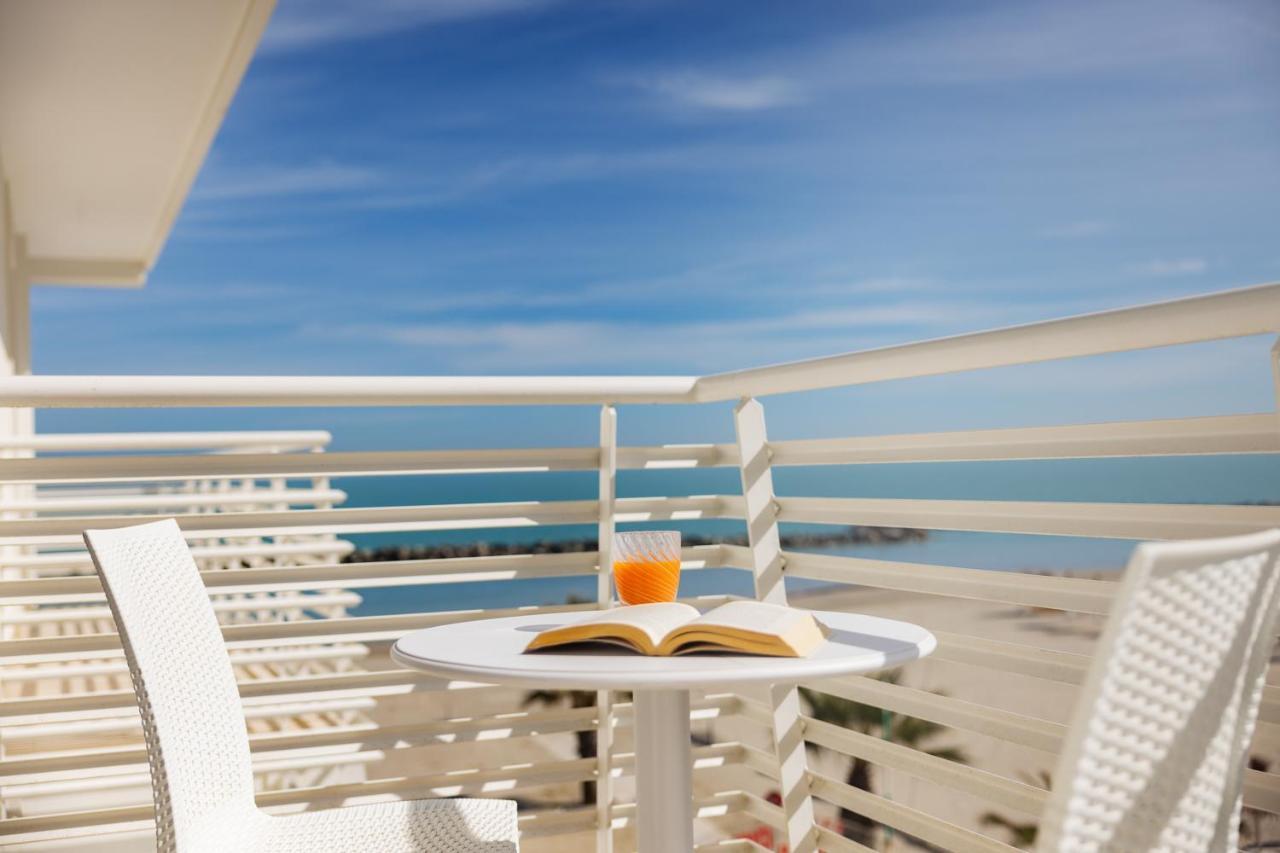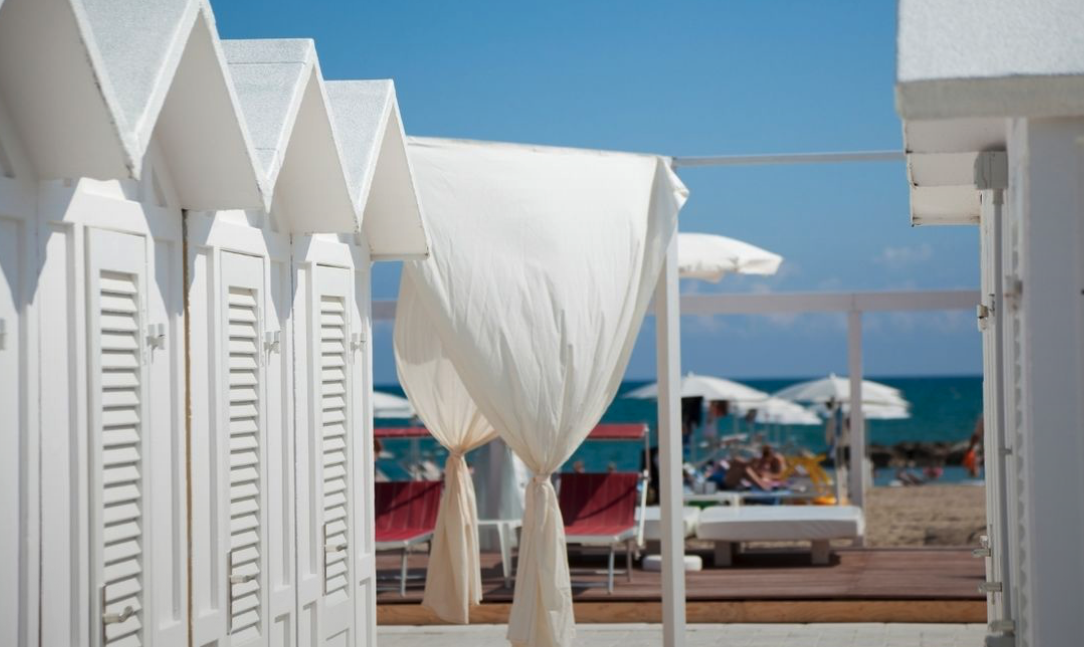
Rimini It is a major city situated in the Emilia-Romagna region of northern Italy, renowned for its rich history, its cultural heritage and as a major seaside resort on the Adriatic Sea.
Historical overview
Founded as Ariminum by the Romans in 268 BC, Rimini It has a history marked by significant developments during the Roman Empire, including the construction of notable structures such as the Arch of Augustus and the Tiberius Bridge. The city flourished during the Renaissance under the rule of the Malatesta family, who transformed it into a cultural centre, attracting artists and intellectuals, including Leonardo da Vinci
Despite the extensive damage it suffered during the Second World War, Rimini has preserved much of its historic architecture and continues to celebrate its artistic heritage through various museums and cultural sites.
Geography and demography
Rimini is strategically situated along the Adriatic coast and covers an area of 135.71 square kilometres. As of July 2024, it has a population of approximately 150,727 residents
The town serves as the hub of a wider coastal conurbation that includes popular tourist destinations such as Riccione, Cattolica, Milano Marittima and Cesenatico
Tourism and attractions
Rimini is famous for its wide beaches, which stretch for around 15 kilometres along the Adriatic coast. It boasts over 230 beach establishments and numerous hotels, making it a favourite destination for summer holidays4
The main attractions include: the Fellini Museum: dedicated to the famous film director Federico Fellini, who was born in Rimini.
Castel Sismondo: a historic fortress showcasing Renaissance architecture.
The Malatesta Era: an important architectural site that reflects the city’s rich history.
Italia in Miniatura: a theme park featuring miniature replicas of Italian monuments
Culinary scene
Rimini’s cuisine is characterised by traditional dishes such as piadina romagnola, a type of flatbread often filled with local cheeses and cured meats. Other typical dishes include various pasta dishes such as tagliatelle with ragù and seafood specialities such as brodetto, a fish soup, piadina and rabbit…
Modern developments
In recent years, Rimini has developed into a hub for conferences and trade fairs, with venues such as Rimini Fiera, one of Italy’s largest exhibition centres. The city’s commitment to cultural enrichment continues with new projects aimed at revitalising its arts scene4
.Overall, Rimini combines historical significance with the appeal of modern tourism, making it a unique destination that attracts visitors from all over Italy and beyond.
What are the must-see historical monuments in Rimini?
Rimini is home to a wealth of historic monuments that reflect its ancient Roman roots and its Renaissance heritage. Here are some must-see sites:
Historical landmarks
1. Arch of Augustus (Arch of Augustus)
Description: Built in 27 BC, it is the oldest surviving triumphal arch in Italy and marks the entrance to the city centre.
Venue: Corso d’Augusto, Rimini.
Opening hours: open 24 hours a day.
Rating: 4.6/5
2. Tiberius Bridge
Description: An extraordinary Roman bridge completed in AD 21, featuring five arches made of Istrian stone. It serves as a vital link between the city and the surrounding areas.
Location: Near the historic centre.
Opening hours: open 24 hours a day.
Rating: 4.8/5
3. Malatesta Temple (Malatesta Temple)
Description: Originally a Gothic church, it was converted into a Renaissance mausoleum by Sigismondo Pandolfo Malatesta in the 15th century, based on a design by the architect Leon Battista Alberti. It houses important works of art, including a crucifix by Giotto.
Location: Via IV Novembre, Rimini.
Opening hours: every day from 8.30 am to 12 noon.
Rating: 4.6/55
4. Castel Sismondo
Description: A 15th-century fortress which hosts exhibitions and events, bearing witness to the power of the Malatesta family during their rule over Rimini.
Venue: Piazza Malatesta, Rimini.
Opening hours: open 24 hours a day.
Rating: 4.6/54
5. The Surgeon’s House
Description: An archaeological site featuring a well-preserved Roman house with intricate mosaics and an impressive collection of surgical instruments dating from the 2nd century AD.
Location: Near Piazza Cavour, Rimini.
Opening hours: please check your local listings for current opening hours.
Rating: Highly recommended for history enthusiasts
6. Piazza Cavour
Description: Rimini’s main square, surrounded by historic buildings such as the Palazzo del Podestà and the Palazzo dell’Arengo. It features the beautiful Fontana della Pigna.
Location: Rimini city centre.
Opening hours: open 24 hours a day.
Rating: 4.5/5
7. Fountain of the Four Horses
Description: A remarkable fountain situated in Piazza Tre Martiri, famous for its artistic design and historical significance.
Location: Via Saint Maur des Fosses, Rimini.
Opening hours: open 24 hours a day.
Rating: 4.6/5
Taken together, these monuments embody the rich history and architectural beauty of Rimini, making them unmissable stops for anyone visiting this lively city.
History of the Arch
The Arch of Augustus in Rimini is an important historical monument dating back to 27 BC. It was commissioned by the Roman Senate to honour Emperor Augustus, bearing witness to the importance of Rimini (then known as Ariminum) within the Roman Empire.
Historical context
The arch was built at a time when Augustus was consolidating his power, coinciding with the beginning of the Pax Romana, a period of relative peace and stability throughout the empire. This era allowed for large-scale building projects, including the restoration of major roads such as the Via Flaminia, which linked Rimini to Rome. The arch served as a monumental gateway at the end of this vital road, symbolising both the city’s importance and Augustus’s influence.
Architectural features
The Arch of Augustus is known to be the oldest surviving Roman triumphal arch and is renowned for its impressive design. It is approximately 17 metres high and is built of travertine stone. The arch features a central opening flanked by two half-columns with Corinthian capitals, which support a decorative entablature. Originally, it would have been adorned with a statue of Augustus, probably depicted in a quadriga (a chariot drawn by four horses) at the top of the arch
.The arch is decorated with reliefs depicting various deities, including Jupiter, Apollo, Neptune and Minerva, which reflect its religious significance and the city’s cultural heritage. These reliefs are situated on both sides of the arch, illustrating its dual function as both a commemorative monument and the city gate
Amendments and retention
Over time, the arch underwent various alterations. In the 10th century, battlements were added, reflecting its evolving defensive role during the Middle Ages. However, it retained its ornamental purpose for much of its history. The surrounding buildings were demolished during the Fascist period in the 1930s as part of an ideological effort to emphasise Rome’s ancient heritage, leaving the arch isolated from its historical context
Current status
Today, the Arch of Augustus remains one of Rimini’s most iconic monuments and serves as a symbol of the city’s rich history. It is situated at the end of Corso d’Augusto, which remains a key thoroughfare in Rimini, connecting visitors to various historic sites and modern amenities
What architectural features make the Arch of Augustus unique?
The Arch of Augustus in Rimini is distinguished by a number of unique architectural features that highlight its significance as a Roman triumphal arch. Here are the main features that set it apart: 1. Building materials
The arch is made primarily of Nabresina travertine, a high-quality stone that contributes to its durability and aesthetic appeal. This choice of material is significant, as travertine was commonly used in Roman architecture for its strength and beauty
2. Dimensions and structure
Standing approximately 17 metres tall and featuring a central arch some 9 metres wide, the Arch of Augustus has an unusually large opening for a gate of its time. This design reflects Emperor Augustus’s peaceful policies during the Pax Romana, making the need for a fortified gate less pressing
3. Architectural features
The arch is flanked by two half-columns with fluted shafts and Corinthian capitals, which support an upper entablature. This element of classical design not only enhances its grandeur, but also complies with Roman architectural standards
4. Reliefs and decorations
Four bas-reliefs are situated at the corners between the capitals and the architrave, depicting the patron gods of Rimini: Jupiter, Apollo, Neptune and Minerva. These reliefs serve both decorative and symbolic purposes, emphasising the arch’s role as a monument dedicated to Augustus and to divine protection over the city.
5. Pediment and cornice
Above the columns is a tympanum, which is typically used in classical architecture to display inscriptions or reliefs. The arch is surmounted by a brick cornice with Ghibelline battlements, which were added during the medieval alterations, reflecting its evolving role in the city’s defences
6. Historical context
Built in 27 BC, it marked the end of the Via Flaminia, a crucial Roman road linking Rimini to Rome. The arch’s strategic position as the gateway to the city underlines its importance in the infrastructure and urban planning of ancient Rome
7. Isolation from the context
The arch was originally part of the city walls, but was set apart during the Fascist period, when the adjacent buildings were demolished to highlight its Roman heritage. This has given it a unique appearance, making it stand out as an iconic symbol of Rimini, distinct from its historical context
All these features make the Arch of Augustus not only an extraordinary example of Roman engineering, but also an important cultural symbol that continues to attract visitors and historians.
What is the historical significance of the Arch of Augustus in Rimini?
L' Arch of Augustus in Rimini It is of considerable historical importance for a number of reasons, which reflect its role in Roman history, architecture and the city’s cultural identity. 1. Commemoration of Emperor Augustus
Built in 27 BC, the arch was commissioned by the Roman Senate to honour Emperor Augustus, marking his consolidation of power at a crucial moment in Roman history. This period marked the beginning of the Pax Romana, a time of relative peace and stability that allowed for extensive development and construction throughout the empire. The arch symbolises Augustus’s achievements and stands as a testament to his influence over Rome and its provinces, including Rimini (then known as Ariminum).
2. Strategic location
The Arch of Augustus It marked the end of the Via Flaminia, an important Roman road linking Rimini to Rome. This strategic location facilitated trade and travel, making Rimini a vital hub in the Roman transport network. The arch not only served as a grand entrance to the city, but also emphasised its importance as a gateway for travellers moving between the major urban centres
3. Architectural significance
As the oldest surviving Roman triumphal arch, it showcases the architectural prowess of ancient Rome. Built of travertine, the arch features classical elements such as half-columns with Corinthian capitals and decorative reliefs depicting deities associated with protection and prosperity, including Jupiter, Apollo, Neptune and Minerva. Its large central opening reflects Augustus’s peaceful policies, as it was designed for ceremonial rather than defensive purposes
4. Cultural symbol
The arch has become a symbol of Rimini itself, featuring on the city’s coat of arms alongside other historic monuments such as the Tiberius Bridge. It represents not only the city’s ancient Roman heritage, but also the continuity of Rimini’s identity through centuries of change
5. Historical changes
Throughout its history, the arch has undergone alterations that reflect changing political contexts. During the Middle Ages, battlements were added, signifying its evolving role in the city’s defences. During the Fascist regime in the 20th century, the surrounding structures were demolished to isolate the arch from its medieval context, emphasising its Roman roots and altering the historic landscape.
.Conclusion
The Arch of Augustus is more than just an architectural marvel; it is a monument that encapsulates important historical narratives about power, trade and cultural identity in ancient Rome and beyond. Its preservation enables modern-day visitors to engage with the rich history of Rimini and the wider legacy of Roman civilisation.
Tiberius Bridge, Rimini: History
Architecture and Design
The bridge, built entirely of Istrian stone , is a remarkable example of Roman engineering, featuring five Doric-style arches. The structure is currently 74 metres long and 8.6 metres wide. Originally, the bridge was longer due to the abutments, which have now partially disappeared
The bridge piers are designed with breakwater spurs to reduce the impact of the current of the River Marecchia, on which it once stood
Historical Role
The Tiberius Bridge was not only an engineering feat but also a symbol of imperial power. It marked the start of the Via Aemilia and Via Popilia consular roads, which linked Rimini to major cities in northern and southern Italy
DOver the centuries, the bridge has been a strategic hub for trade and communication within the Roman Empire.
Legend and the Resistance
Throughout its history, the bridge has inspired various legends, including that of the ‘Devil’s Bridge’, linked to alleged miraculous events. Furthermore, during the Second World War, it is said that the German forces were unable to demolish it, thanks to the intervention of a German officer who saved it from destruction.
Current status
Since 1885, the Tiberius Bridge has been designated a national monument and today the area around it is pedestrianised, allowing visitors to appreciate its historical beauty without any traffic. It has become a landmark for tourists visiting Rimini and continues to be studied for its extraordinary architecture and engineering
In short, the Tiberius Bridge is not only an ancient work of art but also a symbol of Rimini’s historical and cultural resilience.
The Legend of the Devil
According to legend, the construction of the bridge was fraught with extraordinary difficulties. Every time the workers completed a section, it would collapse the following day. In desperation, Emperor Tiberius called upon the devil for help, striking a bargain: the devil would build the bridge in exchange for the soul of the first person to cross it.The devil agreed and completed the task in a single night. However, the cunning Tiberius decided to trick him by sending a dog across the bridge instead of a man. When the devil realised he had been deceived, he tried to destroy the bridge by kicking it, but failed; the structure was indestructible, thanks to his own magic
The Devil’s Rock
Another version of the legend tells that Tiberius asked the Father of the Gods for help in obtaining the materials needed for the bridge. The gods stated that only the devil could carry the stones from Mount Perticara. In this instance too, the devil agreed to a similar deal: he would carry the stones in exchange for the soul of the first person to cross the bridge. When Tiberius sent a dog across, the devil flew into a rage and refused to carry the last boulder, thus leaving a large stone on the mountain as a testament to the event.
Goat Footprints
On the bridge’s balustrade, there are marks resembling those left by goats, which are said to be marks left by the devil in a fit of rage after being tricked. These marks are regarded as tangible proof of his presence and his fury
These legends not only enrich the history of the Tiberius Bridge but also highlight its cultural and symbolic importance for the city of Rimini, making it a fascinating place to visit and explore.
Materials and Construction
- Istrian stone : The bridge is built mainly from Istrian stone, a material renowned for its durability and beauty. This stone gives the bridge a luminous appearance that stands the test of time
- Foundation System : The bridge piers rest on a system of isolated wooden piles, which ensure stability and resistance to the currents of the River Marecchia. The piers widen at the base, creating a solid foundation
Structural Design
- Five Arches : The bridge consists of five arches of varying sizes, with the central arch having a maximum span of 10.7 metres. The arches feature varying profiles, including round arches and polycentric arches, contributing to a dynamic and harmonious architectural rhythm
- Breakwater Spurs : The breakwater spurs, arranged at an angle to the axis of the bridge, are designed to reduce the force of the river current, demonstrating the Roman engineers’ remarkable understanding of hydraulic dynamics
Decorative elements
- Sculpted Reliefs : The keystones of the arches feature reliefs depicting symbols of power and sacredness, such as an oak wreath, a patera (sacred tray) and a lituus (the curved staff of the priests). These decorative elements not only embellish the bridge but also serve to emphasise the emperor’s role as an intermediary between mankind and the gods
- Enrolment : The bridge features inscriptions commemorating the two emperors, Augustus and Tiberius, with dates marking the start and end of the building works. These inscriptions form an integral part of the structure and reflect the political propaganda of the time
Features
- Raised Pavements : The bridge has raised pavements that allow pedestrians to cross safely. The main carriageway is paved with trachyte slabs, whilst the pavements are approximately 30 cm high and 60 cm wide
- Curvature of the Bridge : The structure is slightly curved (humpback-shaped), a feature that not only enhances its appearance but also improves the distribution of structural forces
In short, the Tiberius Bridge is not only an important piece of infrastructure but also a symbol of Roman engineering prowess, with architectural and decorative features that tell the story of the history and power of the imperial era.