The Balnea Museum is a museum in its own right, with one distinctive feature that effectively sets it ‘apart’ from other museums: it is virtual!
The Balnea Museum is a website available to anyone wishing to learn about the history of the bathing resorts and seaside tourism in Rimini and along the Riviera through images, photographs, paintings and so on.
The site features 10 galleries comprising 120 rooms, housing over 3,000 works of art.
Permanent art galleries such as those focusing on ‘landscapes and architecture’ rather than ‘paintings, painters and colours’ for temporary exhibitions.
This section of the website features a rich collection of texts and treatises on the history of the sea and seaside bathing, including works from the 1700s and articles from the early 20th century – a veritable historical overview.
Balnea Museum in Rimini It is a virtual museum devoted entirely to the history of seaside and spa tourism, presented on a website divided into three sections: BALNEA.museum, BALNEA.net and BALNEA.world.
BALNEA.museum is the main section and features a large number of photo galleries, showcasing around seven hundred works that provide an overview of how attitudes towards the sea and bathing – whether for therapeutic purposes or for pleasure – have changed over time.
The aim is to highlight a way of thinking, as well as the customs and fashions that have emerged over time to reinforce certain behaviours.
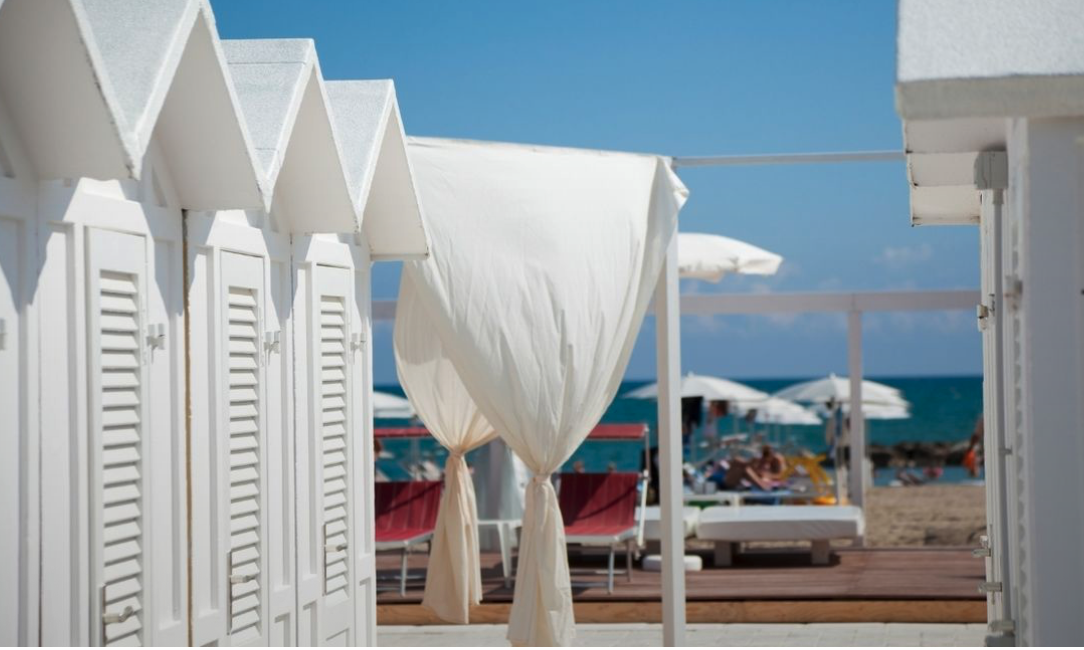
The bathing machines are mentioned; these were cabins pulled by horses or which ran on rails, from which bathers would enter the water; the first was invented in 1791 by Beale.
This portal was created by the Mantegazza Study Centre in collaboration with the Emilia-Romagna Region, the Municipality of Rimini, Rimini Turismo and Rimini on net; it was managed by Ferruccio Farina.
In 2004, it was unveiled for the first time as a revamped exhibition featuring ten galleries and 120 rooms. Visitors can admire masterpieces of painting, works by the Impressionists, vintage posters, architectural drawings, landscapes and beach equipment.
The exhibition features key figures in the evolution of seaside culture, alongside an archive of seaside fashion.
In the ‘Beach Types’ photo gallery, lifeguards are featured; in the section on Rimini, as an example of the history of tourism, there is a gallery containing around five hundred works depicting people, events, places and works of art, ranging from 18th-century beach scenes and ‘prehistoric’ engravings right up to Milo Manara.
The “Special Exhibitions” section features themed exhibitions; in “The Music of the Sea”, you can browse and choose from a selection of holiday tunes to listen to.
A library houses documents from the period, as well as essays and historical articles on the subject of tourism.
Official website: www.balnea.net