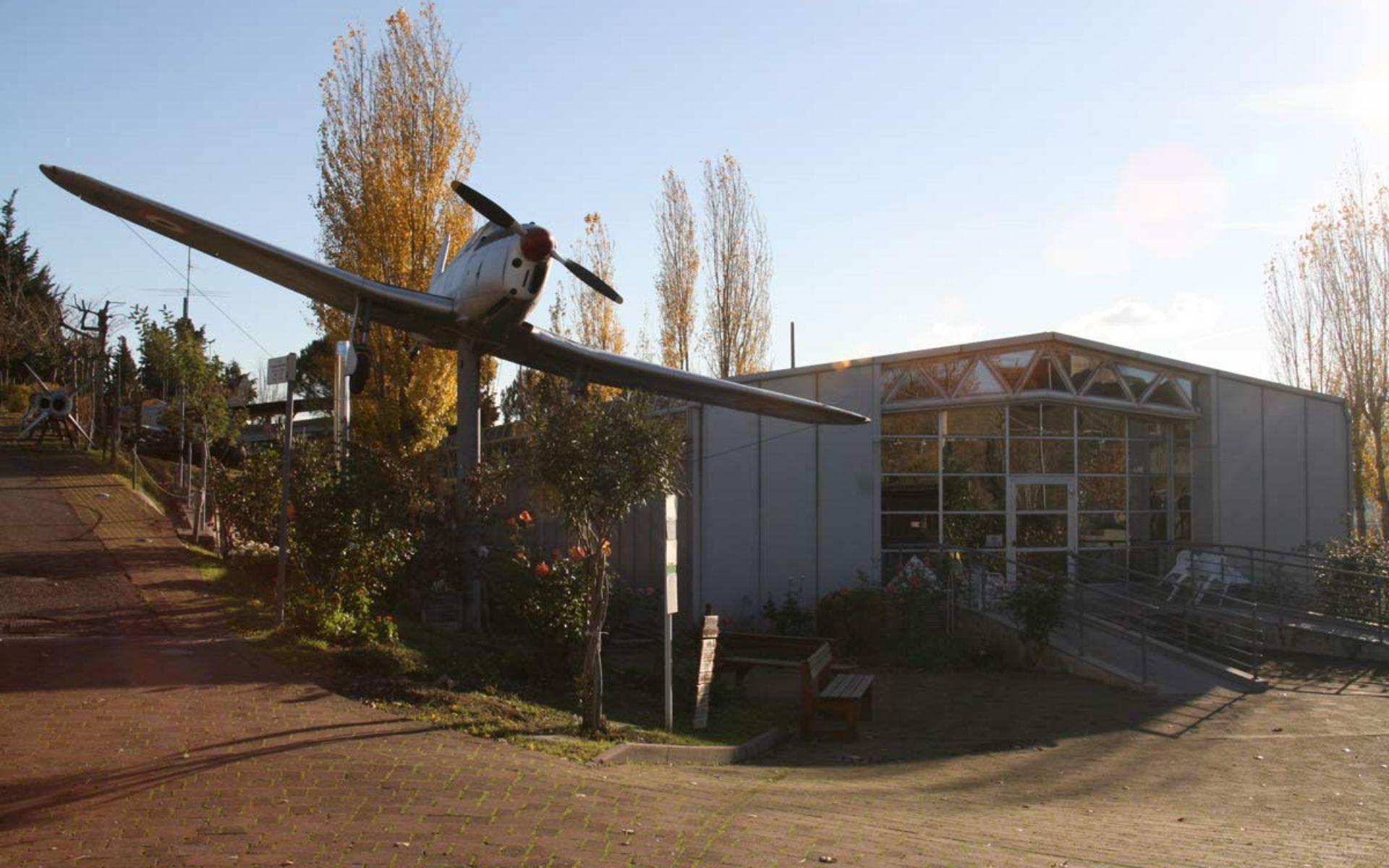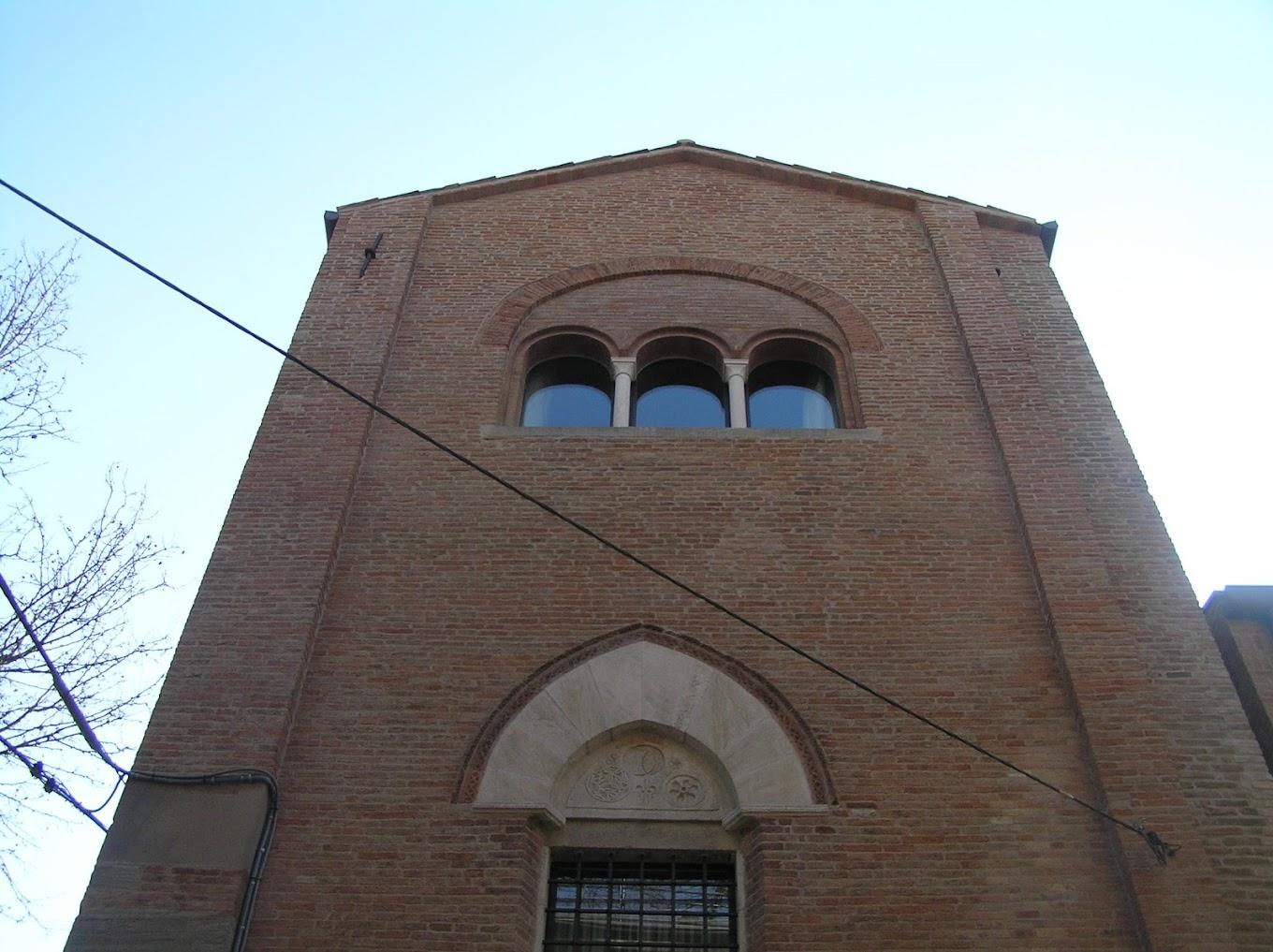
Where Night Crazy Love now stands – a well-known attraction in Rimini since 1980 – there used to be a very different place: Primo Forcellini’s planetarium.
Primo Forcellini, a bricklayer from San Marino with a great passion for astronomy and mechanics, visited the Milan Planetarium in 1963 and was captivated by the building. Impressed by that experience, he decided to build a planetarium in his own town. He initially proposed the project to San Marino, but his proposal was rejected. Despite this, Forcellini was not discouraged and found the perfect location in Rimini, at 8 Viale Rimembranze, to realise his vision.
What is a planetarium?
The planetarium is a a building with an internal dome onto which images of stars and celestial bodies are projected, similar to ancient celestial globes. These instruments replicate the movements of the stars and planets, allowing viewers to to look up at the sky as if they were outdoors. It is different from an astronomical observatory, which is dedicated to the direct observation of space using telescopes.
The Forcellini Planetarium He was born in 1963, drawing inspiration from the first modern planetarium, built in Germany by Zeiss in 1919. Italy received one of these planetariums as part of its post-war reparations, and in 1928 the first planetarium was installed in Rome. This was followed in 1930 by the opening in Milan of the first purpose-built Italian planetarium, with a dome 20 metres in diameter and a capacity of 350 people.
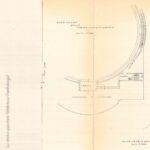
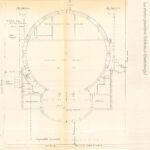
The historic planetarium (photographic documentation by Davide Minghini, held in the archives of the Gambalunga Library, Rimini)
The opening of the Rimini Planetarium
The Forcellini Planetarium was officially opened on 23 June 1963. The atmosphere was festive, with the little balcony decorated with bunting and the tricolour ribbon blocking the entrance. However, The event was a failure in terms of attendance: the only person present was a gentleman tasked with checking the tax stamps on the tickets. Despite this, Forcellini enthusiastically explained how the planetarium worked and outlined his future plans, describing how the mechanism showed the movements of the celestial bodies from a viewpoint outside the Earth.
Who was Primo Forcellini?
Primo Forcellini was born on 8 April 1897 in Coriano, in the province of Rimini, to a family of farmers from San Marino. After leaving school at a young age, he worked as an apprentice and a labourer at various construction sites in Italy and abroad. In 1938, During a visit to the trade fair in Milan, he discovered the planetarium and he was so impressed by it that he decided to study astronomy and celestial mechanics so that he could build one himself.
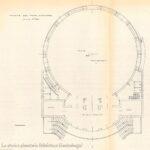
Despite San Marino’s refusal, Forcellini moved to Rimini and in 1960 He entrusted the design of the planetarium to the engineer Antonio Collinucci. The planetarium was completed in 1963: with a dome 12 metres high and 18 metres in diameter, it could accommodate 150 people.
Media coverage and the decline
Despite the failure of the opening ceremony, the Forcellini Planetarium it attracted media attention, featuring a report in Settimana INCOM and articles in *Domenica del Corriere*. However, the There were few visitors and, despite Forcellini’s enthusiasm, the the profits were minimal.
His dream ended in financial loss, but he did not give up, continuing to design new inventions such as a lighthouse clock.
Primo Forcellini died on 30 December 1973, and the planetarium ceased to exist. In 1980, the Night Crazy Love took the place of his ambitious project.