“A land of passion and creativity: Romagna, which sings and paints the world”
From folk tradition to the heights of global music, Romagna writes its artistic history with the ink of melody and the colour of genius. It is here that Secondo Casadei’s liscio has united generations in a timeless dance, whilst Laura Pausini has transformed Solarolo into a beacon of international song. In the narrow streets of Rimini, Samuele Bersani has crafted verses full of irony and melancholy, whilst Raoul Casadei’s violin has carried ‘Romagna mia’ to every corner of the globe.
But the art of Romagna is not just about music: it is the Renaissance legacy of Melozzo degli Ambrogi, the visionary brushstrokes of René Gruau, and the timeless stories of Pellegrino Artusi, who, through his cooking, chronicled an identity forged from flavours and words. A land where every square is a stage, every trattoria a literary salon, and every beach – like the one in *Amarcord* – a film set ready to inspire new dreams.
This journey through sounds and colours reveals a Romagna which, between piadina and the sea, continues to radiate beauty with the pride of a place that knows it has ancient roots and wings ever ready to take flight.
Here is an overview of notable figures from Romagna, organised by historical period:
Antiquity
Gaius Julius Caesar (100–44 BC): The Roman general associated with Romagna for his famous crossing of the Rubicon in 49 BC, an act which marked the beginning of the civil war against Pompey.
Marco Emilio Lepido (187–153 BC): a Roman consul after whom the Via Emilia was named, and who founded Regium Lepidi (now Reggio Emilia, historically part of ancient Romagna).
Middle Ages
Matilda of Canossa (1046–1115): Grand Countess and a central figure in the conflict between the Papacy and the Empire, she ruled over a vast territory spanning Romagna, Lombardy and Tuscany.
Francesca da Polenta (c. 1260–1285): A noblewoman from Ravenna immortalised by Dante in Canto V of *Inferno* for her tragic love affair with Paolo Malatesta.
Benvenuto da Imola (1338–1390): Commentator on the *Divine Comedy* and lecturer at the universities of Bologna and Ferrara.
Renaissance
Caterina Sforza (1463–1509): Lady of Forlì and Imola, known for her resistance against Cesare Borgia. Celebrated for her courage and political acumen.
Melozzo degli Ambrogi (1438–1494): A painter from Forlì, a pioneer of Renaissance perspective, who worked in Rome and Urbino.
Flavio Biondo (1392–1463): A historian and humanist from Forlì, author of seminal works on the topography of ancient Rome.
Modern Age
Pellegrino Artusi (1820–1911): Born in Forlimpopoli, author of *Science in the Kitchen and the Art of Eating Well*, a seminal work on modern Italian cuisine.
Giovanni Battista Morgagni (1682–1771): An anatomist from Forlì, the father of modern pathology.
Lazzaro Spallanzani (1729–1799): A scientist from Scandiano, a pioneer of experimental biology and studies into reproduction.
The Modern Age
Aurelio Saffi (1819–1890): A patriot from Forlì, one of the three leaders of the Roman Republic of 1849 and a key figure in the Risorgimento.
Luigi Ghirri (1943–1992): A photographer from Scandiano, one of the most influential of the twentieth century, known for his depictions of the Italian landscape.
Federico Fellini (1920–1993): Although he was born in Rimini, his films (Amarcord, La dolce vita) are deeply rooted in the culture of the Romagna region.
Cultural and scientific figures
Guglielmo Marconi (1874–1937): Nobel Laureate in Physics, born in Bologna but who also carried out experiments in Romagna.
Diego Fabbri (1911–1980): A playwright from Forlì, author of plays such as *The Trial of Jesus*.
René Gruau (1909–2004): An illustrator from Rimini, renowned for his collaborations with fashion houses such as Dior.
This selection reflects the diversity of Romagna, a crossroads for military leaders, artists and innovators who have shaped Italian history.
Here is an overview of historical and contemporary artists with links to Romagna:
Historical artists
Marco Palmezzano (Forlì, 1459–1539): a leading figure of the Romagna Renaissance, with works in churches and museums in Forlì, Faenza and Brisighella.
Luca Longhi (Ravenna, 1507–1580): a Renaissance painter active in Ravenna and Santarcangelo, known for his altarpieces and portraits.
Piero della Francesca (external influence): he left works in Rimini, such as the fresco in the Tempio Malatestiano.
Leon Battista Alberti (architectural designs): he designed the Tempio Malatestiano in Rimini.
According to Casadei (1906–1971): a musician who epitomised ‘Romagnolo liscio’, and the composer of *Romagna Mia*.
Contemporary artists
Arnaldo Pomodoro (b. 1926): a sculptor from Morciano di Romagna, with works in Rimini (La grande Prua) and Morciano (Colpo d’Ala).
Leonardo Lucchi (b. 1926): a sculptor from Cesena, known for public works such as *Gli Equilibristi*.
Ilario Fioravanti (1922–2012): a sculptor from Cesena with 40 works scattered between Longiano and Roncofreddo (Medea, Sappho).
Adriano Bimbi (b. 1948): an artist from Cesena, best known for *Il musicista ei cani* at the Teatro Bonci.
Mutoid Waste Company: a collective based in Santarcangelo specialising in sculptures made from recycled materials.
Figures straddling the worlds of art and culture
Clement XIV (1705–1774): a pope originally from Santarcangelo, honoured with a triumphal arch.
Pietro Ghizzardi (1906–1986): a naïve artist from Boretto (RE), whose works are on display at the ‘Al Belvedere’ House Museum.
Thematic collections
The Cervi Museum in Gattatico (RE) houses over 200 works on the Resistance and social struggle by artists such as Renato Guttuso.
In Fanano, Bedonia and Faenza, there are open-air museums featuring contemporary art installations.
Note: some of the artists mentioned in the results (e.g. Antonio Fontanesi, Ludovico Ariosto) are associated with Reggio Emilia, an area that is geographically part of Emilia but culturally closely related. The selection above focuses strictly on historic Romagna (the provinces of Forlì-Cesena, Ravenna, Rimini and part of Ferrara).
Who are the leading contemporary artists from Romagna?
Here are the leading contemporary artists working in Romagna (the provinces of Forlì-Cesena, Ravenna and Rimini), with a focus on the most prominent figures:
Sculptors and visual artists
Arnaldo Pomodoro (b. 1926, Morciano di Romagna): renowned for works such as *La grande Prua* at the Rimini 2 cemetery and *Colpo d’Ala* in Morciano 2, with works in steel and bronze that explore the tension between form and material.
Ilario Fioravanti (1922–2012, Cesena): a sculptor and painter with over 40 public works in Longiano and Roncofreddo, including *Medea* and *Sappho 2*.
Mutoid Waste Company (Santarcangelo di Romagna): a collective known for its sculptures made from recycled materials, which are the centrepiece of Mutonia Park.
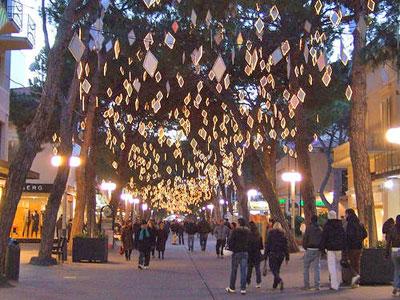
Aurelio Brunelli: creator of *La Cattedrale delle foglie* in Cesenatico, based on an idea by Tonino Guerra.
Painters and visual artists
Adriano Bimbi (b. 1948, Cesena): known for his installation *Il musicista ei cani* at the Teatro Bonci in Cesena.
Leonardo Lucchi (b. 1926, Cesena): a sculptor and painter whose public works include *Gli Equilibristi*.
Emerging artists: the PitturiAmo list includes Paola Marchi, Noemi Piaggesi and Mario Sergio Calzi, who are based in Emilia-Romagna 1 but are not specifically based in the Romagna region.
Community projects and iconic locations
Santa Sofia Sculpture Park (Forlì-Cesena): it features works by Pomodoro and other artists associated with the Campigna Prize.
Tonino Guerra’s fountains: scattered throughout Romagna, enhanced by works by local artists.
Faenza Open-Air Museum: features contemporary ceramic installations.
Note: Many of the artists mentioned in the list of winners from Emilia (e.g. Pietro Ghizzardi, Renato Guttuso) either have works displayed throughout the region or are not specifically from Romagna. The selection above focuses on artists who were born in Romagna or whose works are site-specific to the region. As for local contemporary painters, the cultural centres in Ravenna and Rimini often promote emerging artists, although these are less well-known at a national level.
Sculpture parks to visit in Emilia-Romagna
Here are the main sculpture parks to visit in Emilia-Romagna, with a focus on the most significant ones:
1. Santa Sofia Sculpture Park (Forlì-Cesena)
Romagna’s most famous open-air museum, established in 1993 along the River Bidente.
Artists: Works by Arnaldo Pomodoro (Cono tronco, 1972), Mauro Staccioli, Hidetoshi Nagasawa, Loris Cecchini (Waterbones), Cuoghi Corsello, Eliseo Mattiacci and Francesco Somaini.
Route: 2 km through woodland and along the riverbed, featuring 14 site-specific installations.
Events: Linked to the Campigna Prize, which adds new works every year.
2. Rimini Sculpture Garden
An urban space featuring contemporary sculptures in terracotta and San Marino stone, organised into themed ‘rooms’.
Features: A linear route with artworks integrated into a minimalist architectural setting.
3. Smaller parks and community-led initiatives
Faenza Open-Air Museum: Contemporary ceramic installations in the historic centre[^prev].
Tonino Guerra’s fountains: Scattered throughout Romagna (e.g. Pennabilli), they combine poetry and artistic installations[^prev].
Parco dell’Arte in Busana (Reggio Emilia): Mentioned on TripAdvisor, but with limited information.
River parks: Such as the Trebbia (Piacenza), which are more nature-oriented than artistic.
Tip: Santa Sofia Park is a must-see for fans of contemporary art, offering a unique blend of nature and artistic experimentation. For an urban experience, the Rimini Gardens offer a fusion of tradition and modernity
Which actors from Romagna and prominent figures from the region
Romagna has been the birthplace of numerous actors and prominent figures who have made their mark in the arts, culture and sport. Here is a selection of the most notable names:
Actors and figures from the world of entertainment
Federico Fellini (Rimini, 1920–1993): one of the greatest film directors in the history of cinema, winner of four Oscars. His films, such as *Amarcord* and *La Dolce Vita*, are deeply rooted in the memory of his homeland.
Ivano Marescotti (Villanova di Bagnacavallo, 1946–2023): a theatre and film actor known for his roles in Italian and international films 2 5 .
Fabio De Luigi (Santarcangelo di Romagna, born 1967): a comic actor and director, best known for his appearances on Gialappa’s Band programmes and for films such as *Tiramisù 1*.
Giulietta Masina (San Giorgio di Piano, 1921–1994): an internationally renowned actress and the wife of Federico Fellini, who starred in masterpieces such as *La Strada*.
Paolo Cevoli (Riccione, born 1958): comedian and cabaret artist known for his character ‘Assessore Cangini’ on Zelig.
Giuseppe Giacobazzi (Alfonsine, born 1963): a comedian and cabaret artist with a highly acclaimed career in television and theatre.
Musicians and singers
Laura Pausini (Solarolo, born 1974): an international pop singer and winner of Grammy and Latin Grammy Awards.
Samuele Bersani (Rimini, born 1970): a refined singer-songwriter who has received numerous awards from Club Tenco.
According to Casadei (Sant’Angelo di Gatteo, 1906–1971): a composer and musician regarded as the father of ‘Romagnolo liscio’, with his famous piece *Romagna Mia*.
Writers and poets
Tonino Guerra (Santarcangelo di Romagna, 1920–2012): a poet and screenwriter who worked with directors such as Fellini and Antonioni.
Giovanni Pascoli (San Mauro Pascoli, 1855–1912): one of the greatest Italian poets of the 19th century.
Raffaello Baldini (Santarcangelo di Romagna, 1924–2005): a poet who wrote in the local dialect, known for works celebrating the culture of Romagna.
Athletes
Marco Pantani (Cesenatico, 1970–2004): a legendary cyclist who won the Giro d’Italia and the Tour de France in 1998.
Andrea Dovizioso (Forlimpopoli, born 1986): MotoGP champion motorcyclist.
Renzo Pasolini (Rimini, 1938–1973): a brave and talented motorbike racer.
Historical figure
Benito Mussolini (Predappio, 1883–1945): a controversial politician who left his mark on 20th-century Italian history.
Francesco Baracca (Lugo, 1888–1918): a heroic pilot of the First World War.
Pellegrino Artusi (Forlimpopoli, 1820–1911): author of the famous cookbook *Science in the Kitchen and the Art of Eating Well*, which laid the foundations for modern Italian cuisine.
These figures have helped to make Romagna a region rich in culture, art and traditions.