Design and Inauguration
The Grand Hotel in Rimini was designed by the Swiss architect Paolito Somazzi. Built in the Art Nouveau style, it was opened on 1 July 1908. At the time, its opening was a symbol of prestige and modernity for Rimini, attracting a high-calibre clientele.
Architectural Style
The Grand Hotel in Rimini was built in the Liberty style, an artistic and architectural movement also known as Art Nouveau in France, Jugendstil in Germany and Modernism in Spain. This style, popular between the late 19th and early 20th centuries, is characterised by the use of curved, flowing lines, natural motifs such as flowers and plants, and an elegant, decorative aesthetic. The hotel’s façades feature refined ornamental details, balconies with elaborate balustrades and floral decorations that reflect the typical elements of the Liberty style; the hotel’s interiors also reflect this wealth of detail, with furnishings and décor that evoke the elegance and refinement of the era.
The 1920 fire
In 1920, the Grand Hotel in Rimini suffered a severe fire which destroyed the two domes that adorned the building. The fire was a dramatic event that required a major restoration project for the hotel. The exact causes of the fire are not well documented, but the event marked a turning point in the hotel’s history, as the domes were never rebuilt.
Renovations from the 1950s
After the Second World War, the Grand Hotel in Rimini suffered further damage as a result of the bombing. In the 1950s, the hotel underwent an extensive refurbishment programme to repair the damage and modernise the building. During this period, significant changes were made, but the hotel’s original character and elegance were preserved. The refurbishments included the restoration of the interiors, the upgrading of the infrastructure and the improvement of the services offered to guests
Recent Refurbishments
In recent years, the Grand Hotel in Rimini has undergone ongoing maintenance and restoration work to preserve its splendour and offer its guests a luxurious experience. These works include the restoration of period furnishings, the refurbishment of rooms and suites, and improvements to the hotel’s facilities, such as restaurants and communal areas.
Designation as a National Monument
In 1994, the Grand Hotel in Rimini was designated a national monument by the Italian Ministry of Cultural Heritage and Activities. This prestigious honour was awarded in recognition of the building’s historical, cultural and architectural significance.
Significance of the Designation: Being designated a national monument means that the building is recognised as an integral part of Italy’s cultural heritage. This status affords the Grand Hotel special protection, ensuring that any restoration work or alterations strictly respect its historical and architectural value.
Impact on the Grand Hotel:
• Conservation and Restoration: This accreditation ensures that all restoration and maintenance work is carried out with the aim of preserving the building’s historical and artistic integrity. This includes the use of materials and techniques that respect the original characteristics of the Art Nouveau style.
• Cultural Promotion: Its status as a national monument has raised the profile of the Grand Hotel, attracting visitors and tourists interested in Italian history and culture. It has also helped to promote Rimini as a tourist destination of historical significance.
• Promoting Cultural Heritage: The award has strengthened Rimini’s cultural identity and highlighted the importance of the Grand Hotel as a symbol of the city. It has also enabled access to funding and support for heritage conservation.
This status has helped to preserve the charm and beauty of the Grand Hotel in Rimini, enabling future generations to appreciate its history and unique architecture.
Connection with Federico Fellini
One of the most fascinating aspects of the Grand Hotel in Rimini is its connection with the famous film director Federico Fellini. Born in Rimini, Fellini had been fascinated by the hotel since he was a child. In his 1973 film *Amarcord*, the Grand Hotel becomes a symbol of dreams and nostalgia, helping to make the hotel world-famous. Fellini often described the Grand Hotel as a ‘magical place’ that inspired many of his works.
Childhood and Fascination
Federico Fellini, born in Rimini on 20 January 1920, grew up in a city rich in cultural and artistic influences. From childhood, Fellini was fascinated by the Grand Hotel in Rimini, which he regarded as a magical and mysterious place. For him, this grand Art Nouveau building symbolised luxury, dreams and an escape from everyday reality.
“Amarcord” and the Grand Hotel
The connection between Fellini and the Grand Hotel was immortalised in his 1973 film *Amarcord*. The film’s title, which means ‘I remember’ in the Romagna dialect, reflects the nostalgic and autobiographical nature of the work. In “Amarcord”, the Grand Hotel becomes a symbol of dreams and desire, a place where the characters seek refuge from the hardships of everyday life.
The Grand Hotel as a Source of Inspiration
The Grand Hotel inspired many of Fellini’s works. The director often described the hotel as a place that stimulated his imagination and creativity. The scenes set in the Grand Hotel in his films convey a sense of wonder and enchantment, reflecting the lasting influence the hotel had on his life and career.
Awards and Celebrations
Following Fellini’s death in 1993, the Grand Hotel in Rimini has continued to celebrate its connection with the director through events and exhibitions. Every year, the Fellini Museum organises special events to commemorate the director’s work, and the Grand Hotel remains a place of pilgrimage for fans of Fellini and cinema.
Federico Fellini helped to make the Grand Hotel in Rimini a global icon, and the hotel, in turn, left an indelible mark on the director’s imagination.
The Grand Hotel Today
Today, the Grand Hotel in Rimini remains one of the most prestigious hotels on the Romagna Riviera. It offers five-star hospitality, with luxury rooms and suites, gourmet restaurants and exclusive amenities. The hotel retains its historic charm, attracting guests from all over the world who are seeking a unique and refined experience.
Facilities and Services
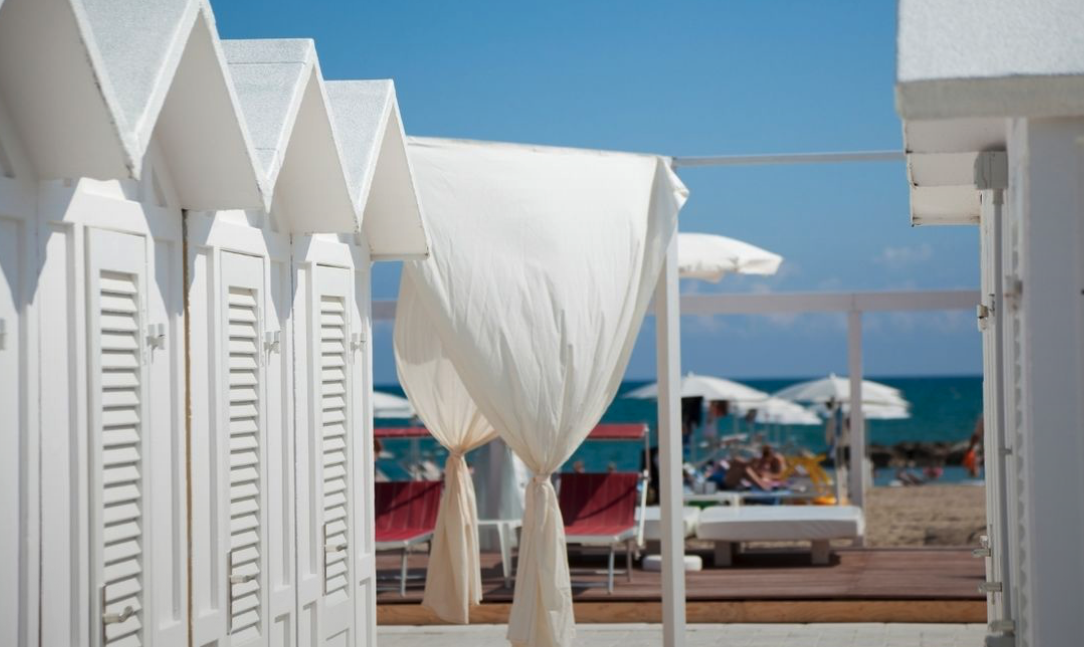
The Grand Hotel Rimini has been welcoming guests since 1908 and is situated right on the seafront in Marina Centro. The hotel offers luxury rooms, swimming pools, sports facilities and a private beach. The rooms are spacious and elegant, all air-conditioned and equipped with satellite TV channels, a minibar and a private bathroom with a hairdryer, slippers and toiletries1.
Catering
An American-style breakfast is served in the morning, whilst the La Dolce Vita restaurant offers Mediterranean specialities. There is also a second restaurant on the beach, where there is a children’s pool.
Events and Activities
The Grand Hotel Rimini is surrounded by a large park and organises numerous events throughout the year. The events programme includes activities on the beach, on the terrace and in the hotel’s lush garden. Recent events have included exhibitions, concerts and meetings with famous figures from the worlds of culture, cinema and gastronomy.
Accessibility
The hotel is just a 10-minute walk from Rimini railway station, making it easily accessible for visitors.