 Decided upon by all workers as an expression of their struggle to assert all their rights, 1 May Labour Day is celebrated all over the world.
The date was chosen in Paris, during the congress of the Second International, where it was decided that a day would be set aside (across the whole of the free world, simultaneously), to workers so that they could demonstrate and call on the political authorities to reduce working hours from an unspecified number to a maximum of eight hours a day.
The date chosen was not a coincidence, but it was established in light of a specific incident that took place on 1 May 1886 in Chicago.
1 May 1886, on Saturday, 400,000 workers from nearly 12,000 factories stopped work and went on strike.
It did not seem like a tragedy at the time, but in the days that followed, this strike led to demonstrations and further strikes in almost every American industry.
On 3 May, the police he fired at the demonstrators, killing Serves 4, this was followed by protests in which more blood was shed.
The early years that saw the the main event on 1 May, there was misinformation and a tendency to give in to fear.
But little by little, the ‘celebration’ has taken on – and continues to take on – a political character, understood as ‘politics in the hands of the working people’ for a day.
It began as a protest aimed at securing more humane working hours (eight hours) and, over the years, has consistently served as an opportunity to ensure that the country’s economic policy takes workers’ needs into account.
In Italy, it was suppressed only during the twenty years of Fascist rule, but it is now more crowded and lively than ever before, since 1948.
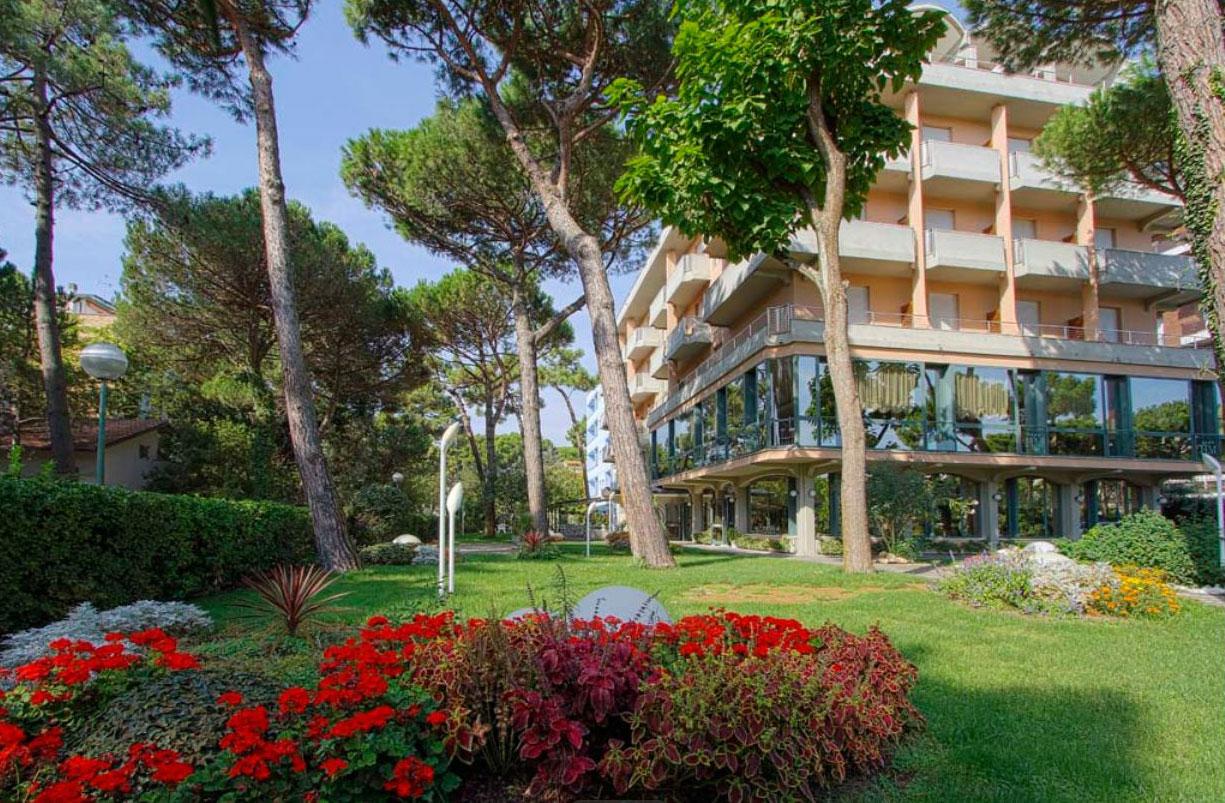
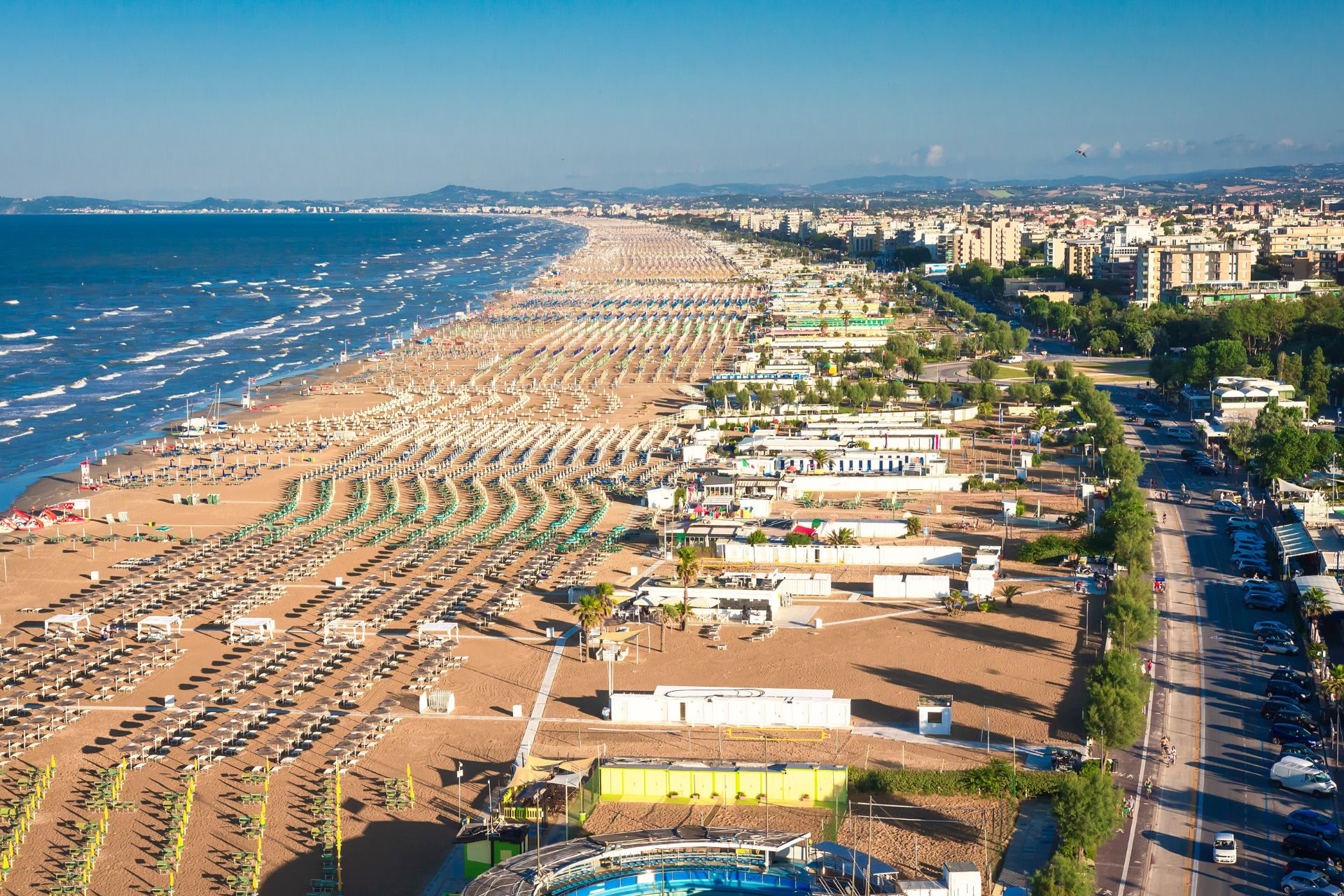
Search for your hotel in Romagna – 3-star, 4-star, 2-star, guesthouses, holiday apartments, bed and breakfasts – and you’re sure to find last-minute deals for the 1 May bank holiday weekend on the Romagna Riviera that suit your needs.
Find yours 1 May hotel in Rimini, Riccione, Cattolica, Cesenatico, Milano Marittima, Cervia, Gabicce, Misano, Bellaria-Igea Marina.