Rimini’s gastronomy, traditional recipes and culinary culture
Rimini’s gastronomy is rich in traditional dishes that reflect the local culinary culture. Rimini’s cuisine is based mainly on seafood, but there is no shortage of traditional meat and vegetable dishes.
Among the most famous fish dishes is the ‘piadina con i sardoncini’, which is made by mixing fresh grilled fish with vegetables and seasonings, onion and radicchio. Other seafood specialities include “Rimini-style fish soup”, a fish and shellfish soup with intense flavours, and “cappelletto di mare”, a variation on the traditional cappelletto, stuffed with oily fish such as mackerel and anchovies.
As for meat, one of the most famous dishes is the ‘Rimini-style porchetta’, a roast pork stuffed with herbs and spices and cooked slowly.
Other specialities include ‘coniglio in porchetta’, a very distinctive variation in which the rabbit is stuffed with sausage and herbs and then roasted in the oven, and ‘cassone’, a sort of savoury pastry filled with tomato and mozzarella, wild herbs (rosole), sausage and potatoes, and many other tasty ingredients; indeed, the first produce of the vegetable garden features prominently in many of Rimini’s traditional dishes.
For example, the ‘piadina e squacquerone’ is a piadina filled with squacquerone, a fresh cheese typical of the region, and vegetables such as rocket and tomato.
Other vegetable-based dishes include ‘pasta verde’, made with vegetables from the garden and dressed with butter and sage. And how could we fail to mention tagliatelle with meat or fish ragù, cappelletti in broth, or strozzapreti with mushrooms and sausage?
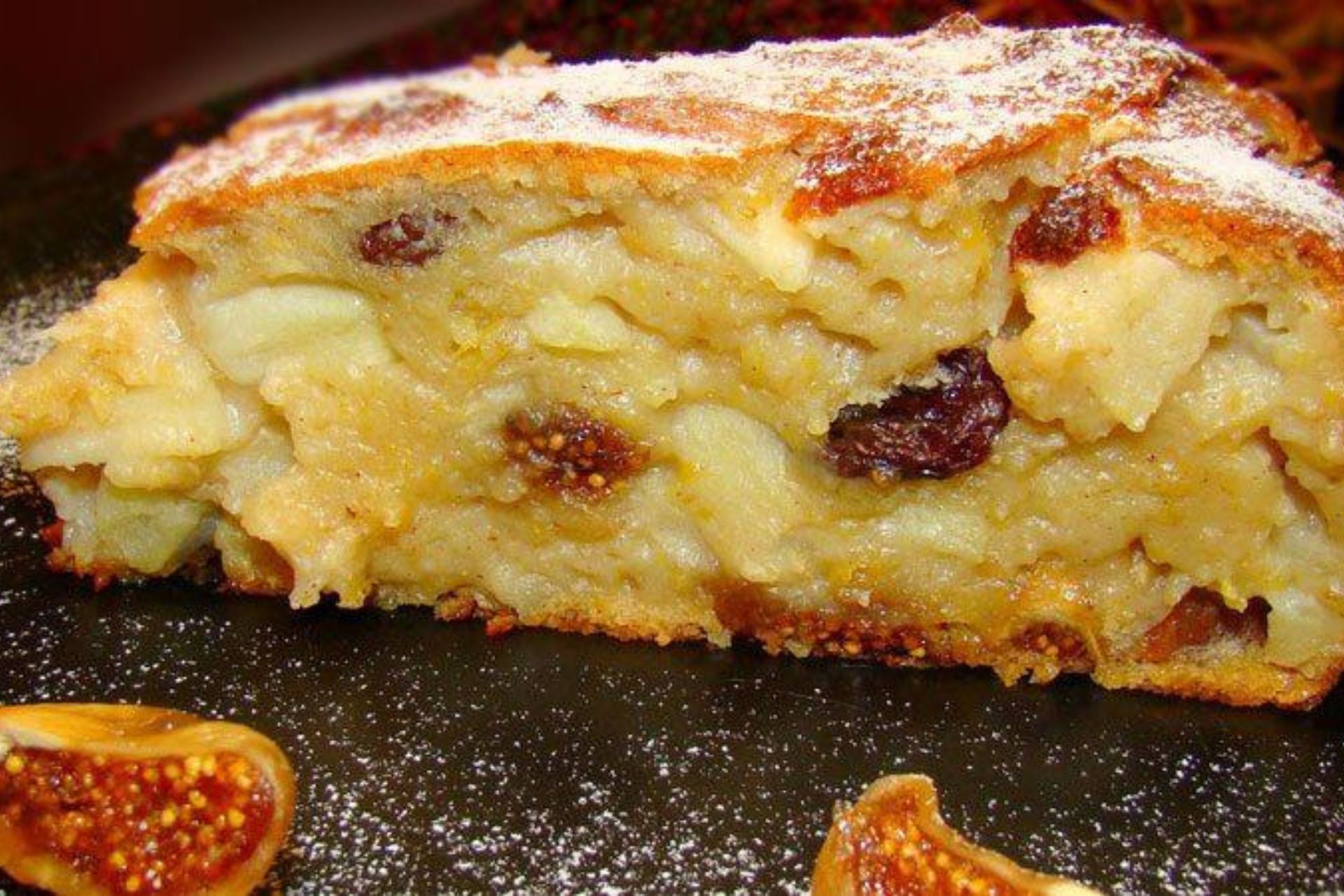
Finally, one cannot talk about Rimini’s cuisine without mentioning its famous traditional sweets. Among the best known are ‘croccanti di mandorle’ – small sweets made of boiled sugar with toasted almonds inside – and ‘tenerina’, a very soft and tasty chocolate cake.
Generally speaking, Rimini’s culinary culture is characterised by the use of fresh ingredients, simplicity in preparation and a strong focus on local flavours.
The traditional dishes reflect the vibrancy and passion of the region, offering unique and authentic culinary experiences.