Hotel classification, services and star ratings: how it works and the relevant regulations
Hotel classification, ‘Services and Stars’ is a system used to assess and classify the quality of tourist accommodation, with the aim of providing guests with clear and reliable information on the standard of service offered.
Classification may vary from country to country, but is generally based on criteria such as:
Hotel facilities and amenities: the availability and quality of services such as restaurants, bars, swimming pools, gyms, wellness centres, car parks, room service, etc. are assessed.
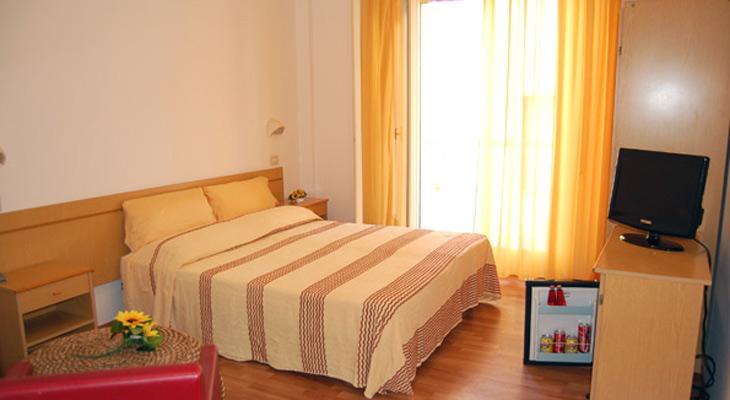
Room quality: factors such as room size, cleanliness, comfort, furnishings, additional amenities (TV, minibar, Wi-Fi, etc.), level of privacy, and the presence of balconies or terraces, etc., are taken into account.
Level of service provided: factors taken into account include the efficiency and courtesy of the staff, the availability of a 24-hour reception service, the cleanliness of communal areas, attention to detail, and the response to guests’ requests, etc.
Quality of food and drink: the standard and variety of the hotel’s culinary offering are assessed, both at breakfast and for other meals.
Hotel ratings are usually expressed in stars, with a higher number of stars indicating higher quality and a higher standard of service. For example, a 5-star hotel generally offers luxury facilities, whilst a 3-star hotel offers basic but comfortable accommodation.
Each country may have its own rules and regulations governing the classification of hotels and their facilities. In some cases, these may be set by government bodies or industry organisations such as hotel associations. This serves to ensure an objective and consistent assessment of hotels, for the benefit of tourists.
Hotels are often required to undergo a periodic inspection to confirm their assigned classification and to maintain the required standards. In some countries, failure to comply with regulations may result in fines or the revocation of their operating licence.
Features of 4-star hotels
The 4-star hotel They are generally characterised by a range of high-quality facilities and services, which offer guests a high level of comfort and satisfaction. The main features of 4-star hotels include:
High standard of service: 4-star hotels are committed to providing a personalised service that caters to guests’ needs. Reception staff are generally available 24 hours a day to assist guests and meet their requests.
Superior comfort: Rooms in 4-star hotels are tastefully furnished with attention to detail, offering a high standard of comfort. They may include amenities such as air conditioning, a flat-screen TV, a minibar and free Wi-Fi.
High-quality restaurants and bars: 4-star hotels often offer a variety of dining options, such as high-quality restaurants and elegant bars, where guests can enjoy local and international cuisine.
Wellness facilities: Many 4-star hotels have wellness centres or spas where guests can relax and rejuvenate. These may offer services such as massages, facials, saunas, hammams or swimming pools.
Leisure facilities: 4-star hotels can offer a variety of leisure facilities, such as swimming pools, tennis courts, gyms or games rooms. These facilities allow guests to have fun and relax during their stay.
Room service: 4-star hotels generally offer room service, allowing guests to order food and drink directly to their room.
Conference centres and event venues: many 4-star hotels have conference centres or event venues where you can organise business meetings, conferences or special occasions.
These features are generally found in 4-star hotels, but may vary depending on the location and the specific facilities offered by each hotel.
Features of 1-, 2- and 3-star hotels
1-, 2- and 3-star hotels generally have different characteristics, which are used to classify them. Here are some of the common characteristics of each type of hotel:
1-star hotels:
They are generally small in size, with a limited number of rooms.
They may not have all the services and facilities typically found in higher-star hotels, such as a restaurant or a bar.
The rooms can be simple and minimalist, with basic facilities such as a bed and an en-suite bathroom.
They may not offer additional services such as free Wi-Fi or a 24-hour reception.
Room rates are usually cheaper than at higher-category hotels.
They are slightly larger than 1-star hotels, with a greater number of rooms.
They may have a restaurant or a bar within the hotel.
The rooms usually feature amenities such as a TV, a private bathroom and free Wi-Fi.
They may offer certain additional services, such as breakfast included in the room rate and a reception desk that is open for most of the day.
They are generally medium-sized or large, offering a wide range of services and facilities.
They may have more than one restaurant, bar, gym, swimming pool or other facilities for customers.
The rooms are often more spacious and comfortable, with additional amenities such as a flat-screen TV, air conditioning and a minibar.
They may offer free Wi-Fi and room service.
Staff can be more attentive to customers’ needs and be available 24 hours a day.
These are just some of the general features of 1-, 2- and 3-star hotels. It is important to note that the actual features may vary from hotel to hotel, and the star rating is not always an accurate indicator of a hotel’s quality.