Emilia-Romagna is an Italian region situated in the north-east of the peninsula, characterised by an ancient and complex history that has its roots in prehistory and has evolved through periods of Etruscan, Gallo-Celtic, Roman, Byzantine, Lombard and papal rule.
During the Roman period, it was one of the central regions of Italy, with major urban centres such as Bologna, Ravenna, Parma and Modena. During the Middle Ages and the modern era, Emilia and Romagna followed different paths, with Emilia under the influence of ducal rulers and Romagna under papal rule.
The region became part of the Kingdom of Italy in the second half of the nineteenth century, and over time established itself as an area rich in history, art and culture.
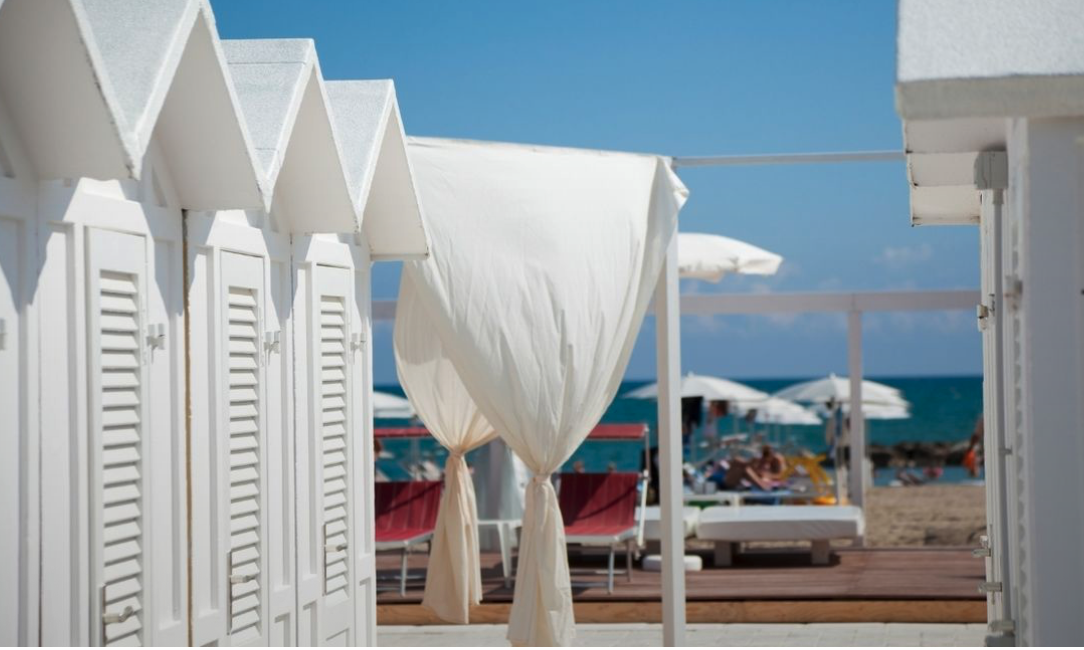
The region’s tourism sector is linked both to seaside tourism along the Adriatic coast – with resorts such as the famous Romagna Riviera – and to cultural and nature-based tourism in the cities of art (Bologna, Ferrara, Ravenna), the hills and inland areas (the Apennines, nature reserves).
Over the past few decades, Emilia-Romagna has promoted initiatives to enhance the quality of its tourism offering, improving sustainability, accessibility and urban quality through significant public investment, aimed at promoting the region and integrating tourism, commerce and culture.
From an economic point of view, the‘Emilia-Romagna’ It is one of Italy’s wealthiest and most dynamic regions, with a per capita GDP higher than the European average. It is renowned for its diversified and advanced manufacturing sector, which includes industrial clusters of excellence in the automotive, engineering, food and fashion sectors.
In recent years, there have been substantial investments in digitalisation, innovation and sustainability, with the aim of maintaining and enhancing the competitiveness of the local economy and supporting widespread, high-quality tourism.
In summary:
A region with a history stretching back thousands of years and a rich cultural heritage
A varied tourist programme combining seaside, cultural and nature tourism
Substantial investment in sustainability, urban regeneration and the quality of the tourism offering
A dynamic economy, amongst the leading regions in Italy in terms of growth and industrial innovation
A strong commitment to linking economic development with environmental protection
These factors make Emilia-Romagna a region that combines tradition and modernity, culture and innovation, establishing itself as one of Italy’s leading regions for tourism and economic development.
Which up-and-coming tourist attractions are drawing in young travellers?
The up-and-coming tourist attractions drawing in young travellers in 2025 are characterised by originality, authenticity and a blend of culture, nature and nightlife. Among the most popular Italian and international destinations are:
Cities of art and design such as Turin, which, with its high-calibre museums, international festivals and a thriving gastronomic scene, attracts young people in search of cultural and social experiences. Even cities with a Central European charm, such as Trieste, are seeing new waves of young tourists thanks to the revitalisation of the harbour and historic routes.
Lively seaside resorts such as Rimini, Riccione and Gabicce Mare, famous for their nightlife, wide beaches and non-stop entertainment, are very popular with young people under 30.
Up-and-coming overseas destinations such as Budva in Montenegro, a Balkan coastal town that has become a summer entertainment hotspot, with unspoilt beaches, concerts and nightclubs; and destinations such as Tbilisi (Georgia) and Tallinn (Estonia), home to a vibrant arts and culture scene.
Venues hosting major events and festivals, such as the Sziget Festival in Budapest, which attract thousands of young people from all over the world for music, parties and cultural celebrations.
There is a growing focus on sustainable tourism, with a preference for experiences that have a low environmental impact and green transport options, such as cycling tours, electric vehicles or responsible travel to off-the-beaten-track destinations that are rich in nature and authenticity.
In short, young travellers are looking for destinations that combine fun, culture, authenticity and sustainability, favouring both cities with innovative cultural and social offerings and dynamic, less conventional seaside or nature-based destinations.