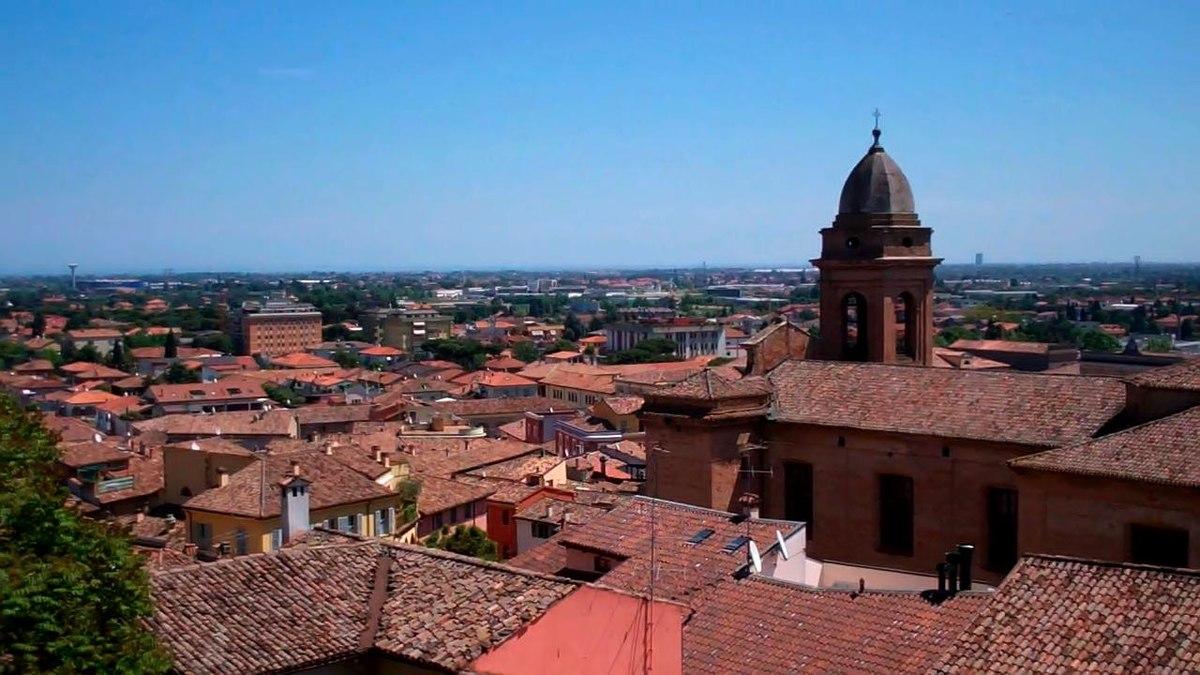
His roots in Rimini and his scientific calling
Costantino Gorini was born in Rimini on 9 January 1865, into a family with long-standing Milanese roots. From childhood, he showed a marked interesting facts for the natural phenomena and for the mechanisms that regulate life, a inclination that soon led him to turn his attention to scientific studies. After obtaining his school-leaving certificate from the classical grammar school in Rimini, he chose to continue his studies at the University of Pavia, by enrolling at the Faculty of Medicine and Surgery, one of Italy’s leading centres of scientific research at the time.
My university education and my introduction to bacteriology
In Pavia, Gorini studied fundamental disciplines such as biology, chemistry and physiology in depth, coming into contact with the most advanced areas of research of the time. It was here that his an interest in bacteriology, a science that is still in its infancy but is set to revolutionise medicine and biology. Fascinated by the study of microorganisms, Gorini devoted himself with rigour and passion to innovative experimental research, by developing a original approach which would lead him to make his mark on the international scientific scene.
A pioneer in the study of microorganisms
Gorini’s scientific career was entirely devoted to the the study of microorganisms, with a particular focus on lactic acid bacteria and their biochemical mechanisms. His research made a decisive contribution to our understanding of fermentation processes and the role of microorganisms in food processing and fundamental biological phenomena.
These were not purely theoretical studies: Gorini was able to combine basic research with practical application. His These discoveries had a tangible impact on the food industry, particularly in improving milk and cheese production processes, opening up new prospects for applied microbiology and food hygiene.
Awards and international renown
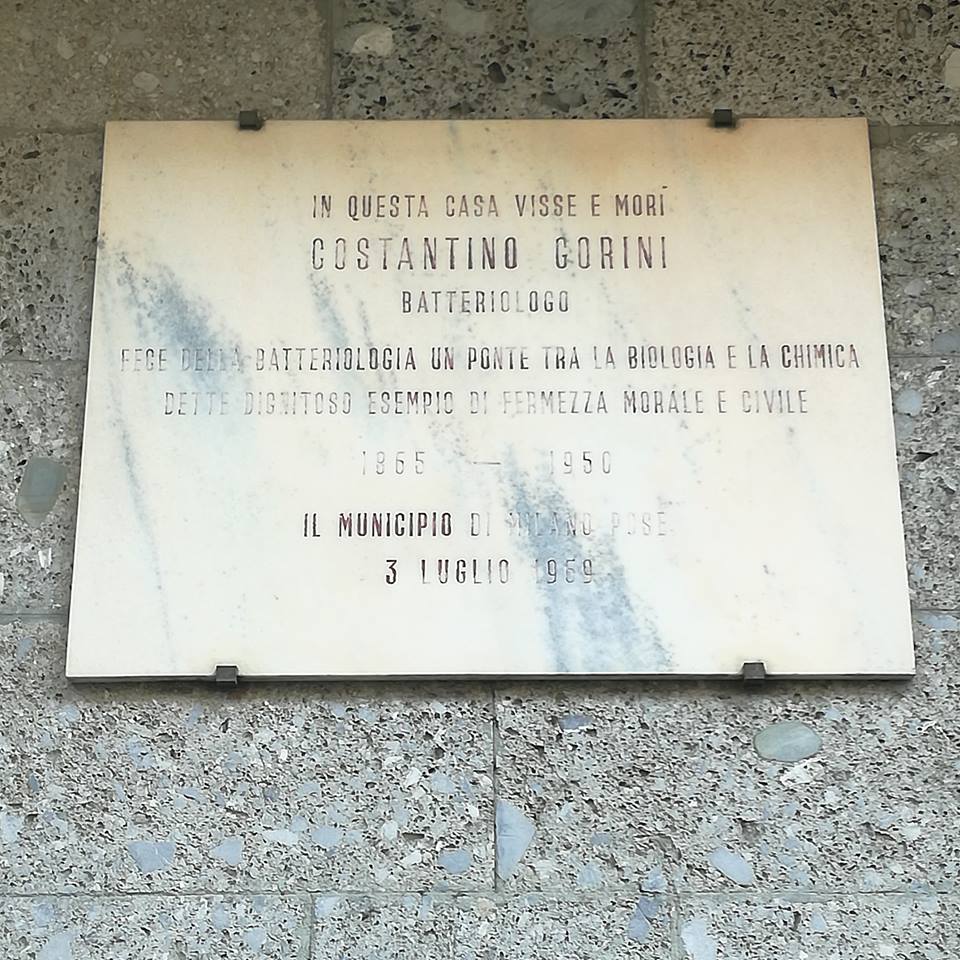
The value of his scientific contribution he was soon recognised beyond national borders. Gorini received numerous awards and honours, he became a member of Italian and foreign scientific academies and maintained contacts with leading scholars in the field of microbiology. His authority made him a leading figure in a field that was destined to become central to modern medicine.
Teacher and populariser
Alongside his research work, Gorini carried out an intensive teaching work. He was a lecturer at the University of Pavia and the University of Milan, where he trained entire generations of students and researchers, imparting not only scientific knowledge but also a rigorous methodology and a deep passion for experimental inquiry. His role as an educator made a decisive contribution to the spread and development of microbiology in Italy.
His scientific legacy and his memory in Rimini
Costantino Gorini died in Milan in 1950, leaving behind a scientific legacy of extraordinary value. His research continues to serve as a benchmark for modern microbiology and has contributed, both directly and indirectly, to improving the health and quality of life of millions of people.
Rimini, his hometown, honours his memory as that of a distinguished fellow citizen and a pioneer of science: a street in the town bears his name, and a commemorative bust, situated near the town’s hospital, still pays tribute to him today.
An example for future generations
The personal and scientific journey of Costantino Gorini is a prime example of how curiosity, tenacity and rigour can lead to progress and knowledge. His life’s work remains a reminder and a source of inspiration for all those who aspire to contribute, through science, to the betterment of society.