The history of hoteliers: how the hospitality industry began
L'The hotel business has very ancient roots, dating back at least to Roman times. In centuries past, hospitality was mainly provided by inns and taverns, which offered a place to sleep and a meal to passing travellers.
The idea of opening proper hotels, with well-furnished rooms and a full range of facilities, spread throughout Europe in the Middle Ages, with the opening of the first proper hotels. These were often run by noble or middle-class families who offered accommodation to travellers, pilgrims and anyone in need of a place to spend the night.
With the advent of industrialisation, the demand for accommodation grew steadily, prompting many entrepreneurs to invest in the hotel sector. Towards the end of the 19th century, with the advent of mass tourism, hotels became a thriving business in many countries, and the first hotel chains began to emerge.
Today, the hospitality sector has become a very broad and diverse field, encompassing not only hotels but also bed and breakfasts, farm stays, guesthouses and many other forms of accommodation. Hoteliers must be able to offer high-quality services and meet the needs of an increasingly demanding and diverse clientele.
Hospitality in Italy: characteristics and history
Hospitality in Italy is a trait deeply rooted in the country’s culture and traditions. Italians are renowned for their kindness, generosity and warmth when welcoming guests. Hospitality is regarded as a genuine value and a duty towards others.
As we were saying, hospitality in Italy has ancient roots and dates back to the time of the Roman Empire, when welcoming travellers was a fundamental principle of society.
In the Middle Ages, hospitality in monasteries and castles was extended to travellers and pilgrims seeking shelter and protection.
Over the centuries, hospitality in Italy has evolved whilst retaining its authenticity and welcoming spirit. Today, hospitality in Italy is characterised by a concern for guests’ well-being, a desire to make them feel at home and to welcome them as part of the family.
The hallmarks of Italian hospitality include preparing delicious home-cooked meals, sharing family stories and traditions, being willing to offer help and support when needed, and paying attention to detail to ensure a pleasant and comfortable stay.
In short, hospitality in Italy is a blend of courtesy, generosity, conviviality and a love of good food, which makes the experience of being a guest in Italy unique and unforgettable.
The role of the hotelier
L'A hotelier must be an expert in hotel management, marketing, human resources management, finance, accounting and operations management. They must be familiar with the local regulations and laws governing the hospitality sector, as well as market trends and competitors’ services.
To become a successful hotelier, it is advisable to study hotel management, business administration, tourism and hospitality. Furthermore, it is important to develop communication and interpersonal skills in order to manage relationships with customers and staff.
A hotel manager must be able to make quick and bold decisions, solve problems efficiently and work under pressure. They must be creative, flexible and innovative in coming up with new ideas to improve the guest experience and increase the hotel’s profitability.
Opening a hotel or accommodation facility
To open a hotel or any other type of accommodation, you need to follow a series of steps and obtain the necessary licences.
Here’s a guide on what to do:
Planning and searching for a property: first and foremost, it is necessary to identify a property suitable for use as accommodation and to plan its refurbishment or adaptation to the requirements of the hospitality sector.
Business plan and market analysis: it is important to draw up a detailed business plan that includes a market analysis to assess the competition and identify the target customer base.
Regulations and legislation: it is necessary to check the local regulations and legislation governing the hospitality sector and to obtain the necessary licences to open a hotel.
Business and contracts: you need to set up a business and draw up contracts with suppliers and any employees, taking into account labour and tax regulations.
Marketing and promotion: it is essential to promote the property through appropriate communication channels (website, social media, partnerships with travel agencies).
Management and customer satisfaction: once the establishment has opened, it is important to manage it effectively, ensuring a high-quality service and customer satisfaction.
It is also advisable to seek the assistance of industry professionals (such as hospitality consultants or specialist solicitors) to provide support during the process of setting up and managing the establishment.
Some of the key roles involved in running a hotel
Some of the roles that might be involved in running a hotel include:
General Manager of the hotel: responsible for the hotel’s overall operations, including staff, the budget, customer service and marketing strategy.
Head of Sales and Marketing: responsible for developing and implementing marketing and sales strategies to raise the hotel’s profile and attract guests.
Head of Human Resources: responsible for recruiting, training and managing the hotel’s staff, ensuring they are well-trained and motivated.
Head of Operations: responsible for ensuring that all hotel operations run smoothly, including housekeeping, maintenance and order management.
Executive Chef: responsible for creating the hotel’s menu and overseeing the kitchen, ensuring that all meals are of the highest quality.
Finance Director: responsible for managing the hotel’s budget, monitoring income and expenditure to ensure the hotel remains profitable.
Customer Relations Manager: responsible for ensuring that guests are satisfied with their stay, handling complaints and resolving any issues.
These are just some of the roles involved in running a hotel, and there are many other positions and roles that may be required, depending on the size and specific needs of the hotel.
A History of Tourism in Romagna
Tourism in Romagna has ancient roots, as it has been one of the most visited and popular regions since ancient times. The earliest evidence of tourism dates back to the Roman period, when the thermal baths of Rimini and the natural beauty of the coast attracted numerous visitors.
In the Middle Ages, with the emergence of the first coastal towns such as Cervia and Cesenatico, tourism began to take off amongst pilgrims and merchants travelling along the Via Emilia. During the Renaissance, the cities of Ravenna and Rimini became important cultural centres and attracted numerous artists and intellectuals.
In the 19th century, with the construction of the railway and the growth of the tourism industry, Romagna became a popular destination for European travellers seeking sun, sea and fun.
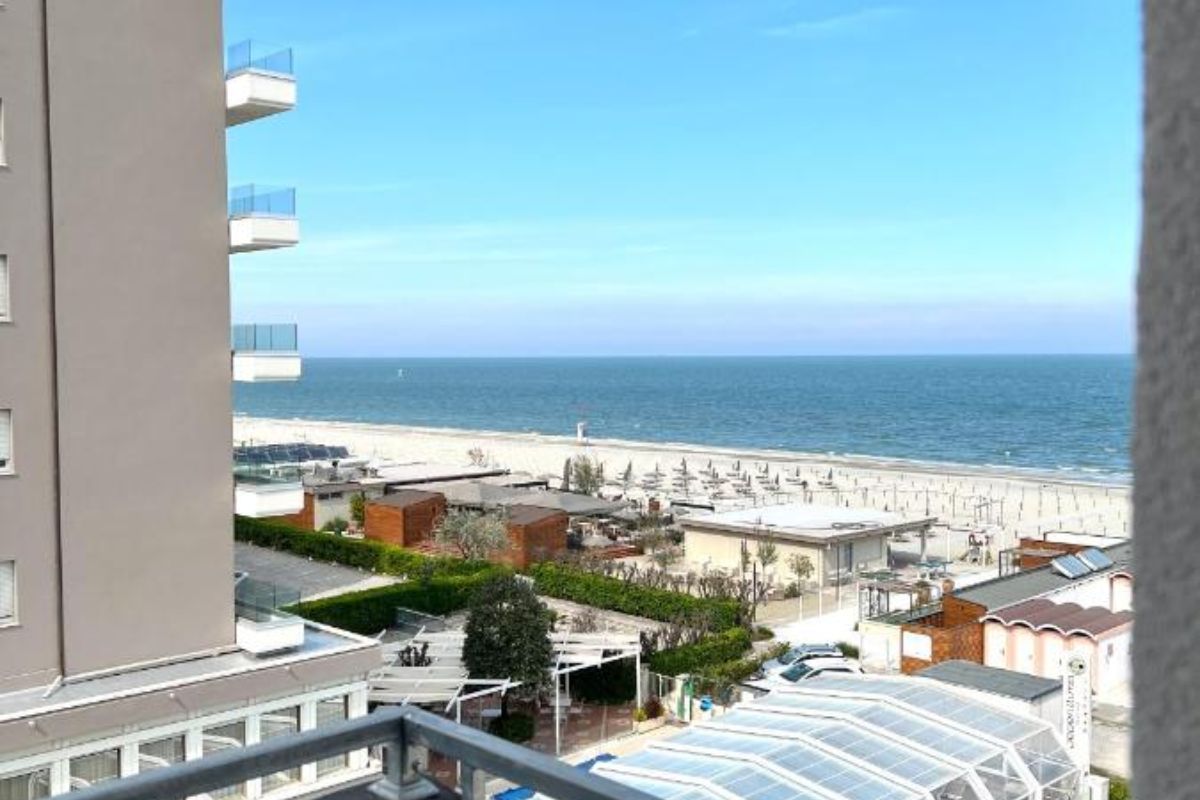
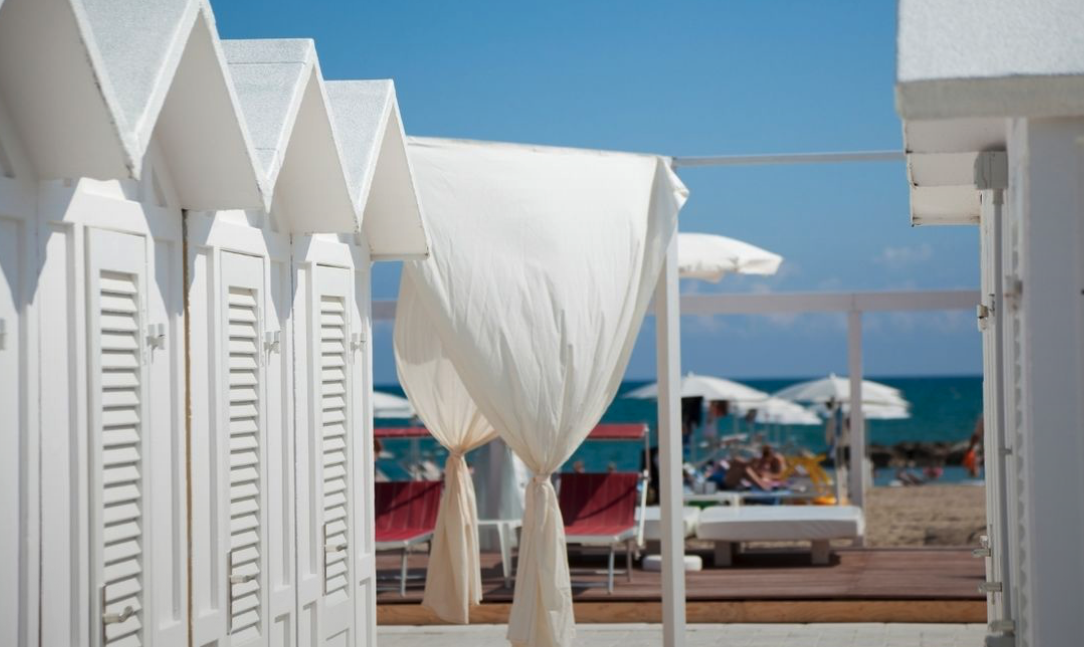
Rimini’s beaches have become famous all over the world, thanks in part to the presence of beach clubs and luxury hotels.
During the 20th century, with the rise of mass tourism and the development of new tourist resorts such as Riccione and Cattolica, Romagna established itself as one of the leading tourist destinations in the Mediterranean.
Today, the region is renowned for its golden beaches, its medieval villages, its food and wine, and its folk culture.
Tourism in Romagna is characterised by a wide variety of options, ranging from seaside holidays to cultural tourism, and from food and wine tourism to sports tourism.
Thanks to its wealth of natural and cultural resources, Romagna remains a popular destination for travellers from all over the world.