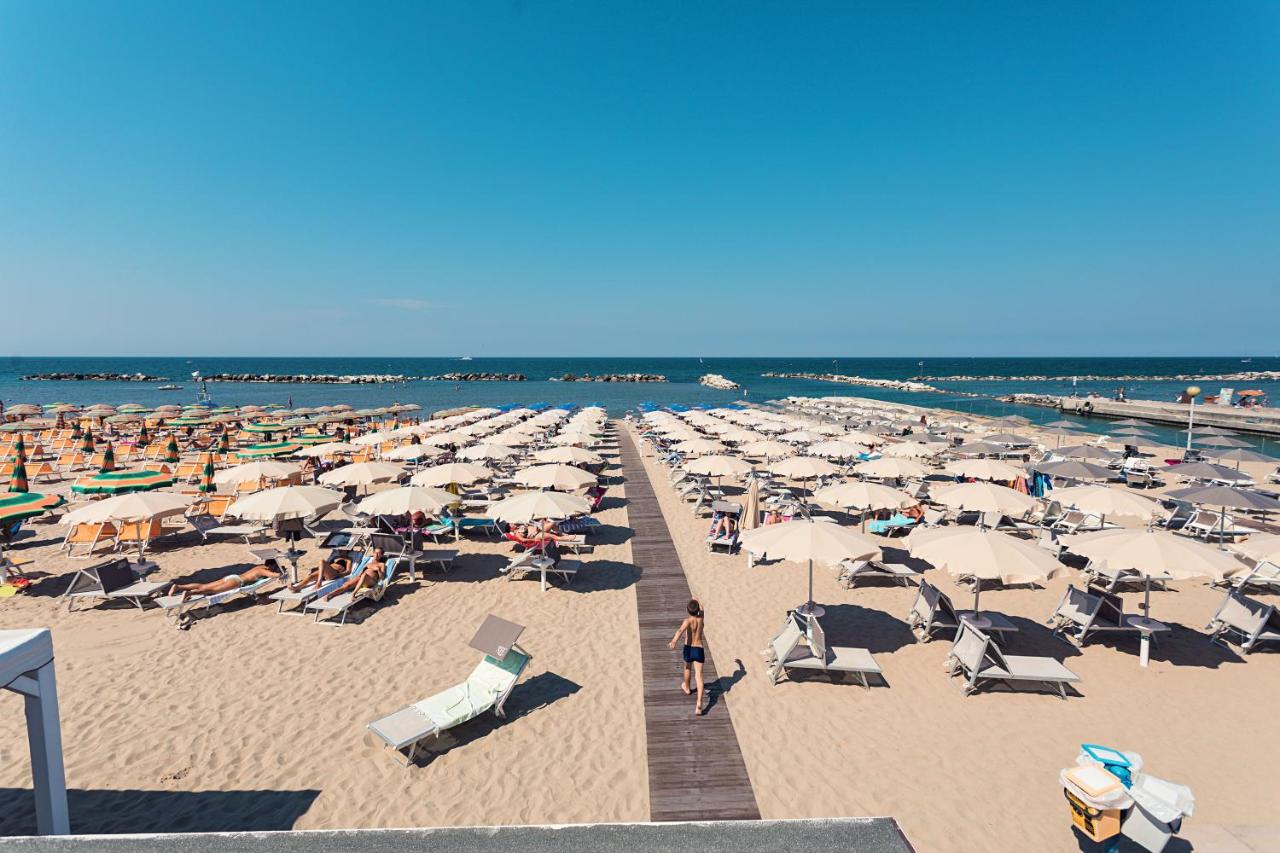
Cattolica: A History of the Sea, Power and Innovation
Cattolica, a gem on the Adriatic coast, is a town that tells its story through the sea, its walls and its people. From an ancient Roman settlement to a modern tourist destination, Cattolica embodies a unique journey of transformation, shaped by traditions, battles, art and innovation. Over the centuries, this town has managed to adapt to change, whilst keeping its spirit alive and maintaining its connection with the local area.
Roman Origins: A Strategic Refuge
The history of Cattolica began in the 3rd century AD along the Via Flaminia, one of the main thoroughfares of the Roman Empire. It was here that a ‘mansio’ was established, a resting place for travellers and merchants. This strategic refuge, known as ‘Catulica’ in Latin, provided a safe haven for those travelling the long road linking Rome to Rimini. The name itself, meaning ‘refuge’, highlights the welcoming spirit that Cattolica would maintain over the centuries.
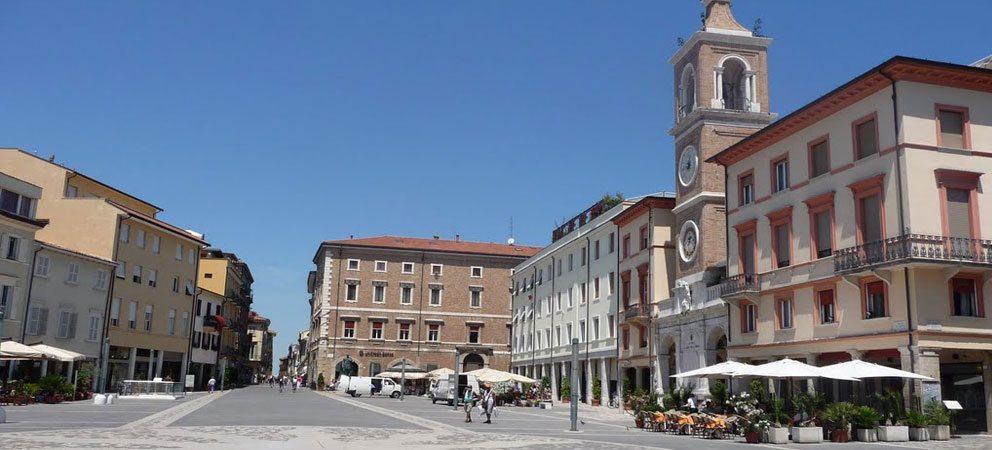
During the Roman era, the city became an important hub for trade and cultural exchange. Its maritime heritage developed during this very period, thanks to its proximity to the Adriatic Sea and its strategic location. Even today, the Roman legacy can be seen in the city’s urban fabric and in the sense of community that characterises its inhabitants.
L‘The Age of the Malatesta: La Rocca and the Consolidation of Power’
One of the most significant periods in Cattolica’s history is linked to the Malatesta family, who ruled Romagna during the Middle Ages. In the 15th century, Pandolfo Malatesta, one of the family’s most influential members, commissioned the construction of the Rocca Malatestiana. This fortress, situated in a strategic position, not only protected the town from external attacks, such as raids by Turkish pirates, but also served as a symbol of the Malatesta family’s power and resilience.
The Rocca, designed by Lombard craftsmen, became a key stronghold for coastal defence and the monitoring of commercial activities along the coast. Throughout its history, it was also the scene of dramatic events, such as the fire that destroyed the roof during a Spanish raid in 1512. Furthermore, the Rocca is shrouded in fascinating legends, such as that of the ‘Malatesta treasure’, hidden within its walls and never found, which continues to capture the public’s imagination to this day.
The 19th Century and the Transformation of the Fortress
In the 19th century, the Rocca Malatestiana lost its original function as a military structure. It was during this period that Count Saladino Saladini Pilastri of Cesena acquired the building, transforming it into a private residence. The Count’s vision was to preserve the town’s historical heritage, whilst adapting it to the needs of a different era. The alterations made transformed the Rocca into a welcoming place, symbolising Cattolica’s transition from a defensive outpost to a holiday resort.
Count Saladini Pilastri helped not only to keep the historical memory of the Rocca alive, but also to promote it as an integral part of the city’s cultural identity. This initiative reflected a wider shift in Italian society at the time, which was beginning to recognise the value of historical heritage as a cultural and economic resource.
Art and Culture: The Intellectuals and Artists of Cattolica
Throughout the 20th century, Cattolica saw the emergence of a vibrant artistic and cultural scene. Local artists, often inspired by the beauty of the Adriatic Sea, have produced works that celebrate coastal life, fishermen and the seascape. Painters and sculptors have adorned public and private buildings, leaving a tangible mark of their creativity on the town.
Literature has also had its place in Cattolica, with poets and writers recounting stories of waves, wind and boats. Local cultural output has often been linked to the celebration of maritime traditions and the celebration of everyday life. Local intellectuals have organised events and initiatives that have strengthened the bond between the town and its community, creating a unique cultural identity.
Tourism Innovation: The 20th-Century Boom
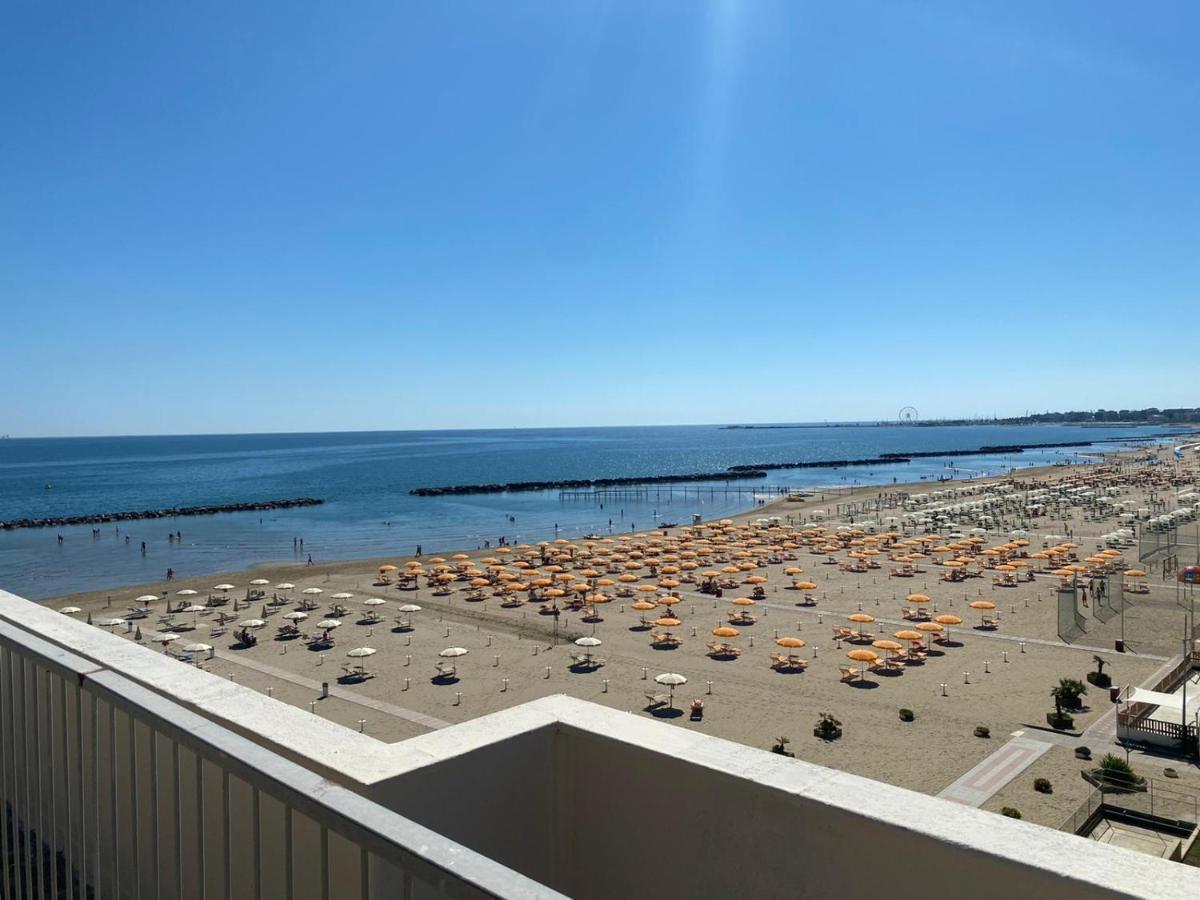
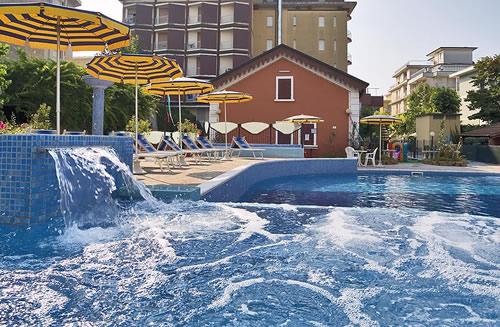
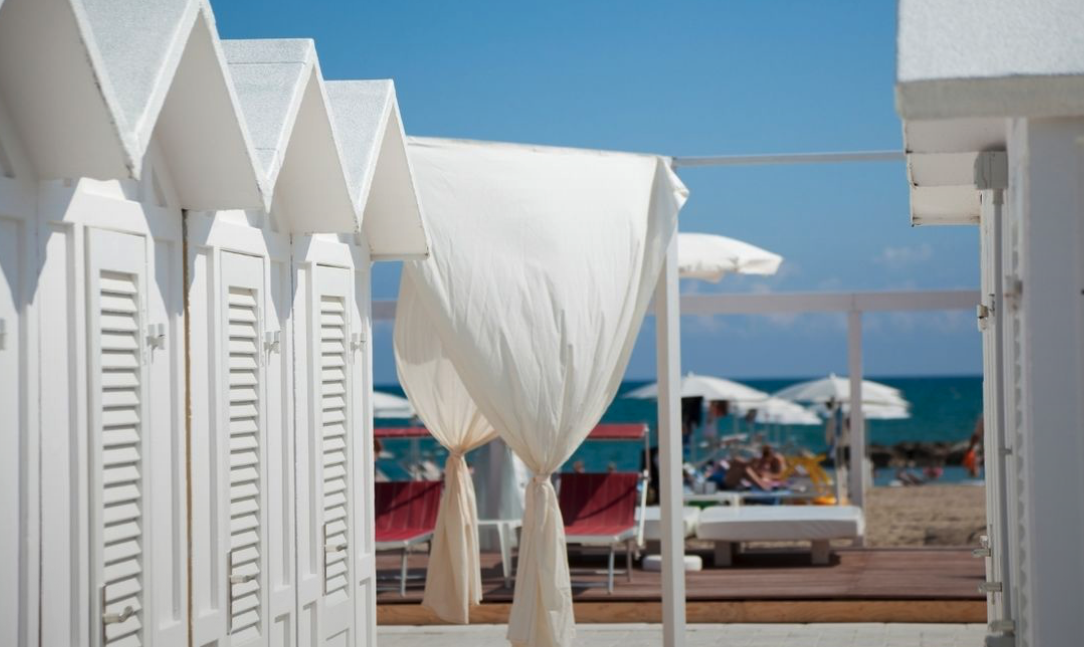
The 20th century marked a major turning point for Cattolica, which became one of Italy’s most sought-after seaside resorts. Thanks to visionary entrepreneurs such as Carlo Vitelli, the town developed a modern tourist infrastructure, with hotels in Cattolica, beach resorts and attractions such as the Cattolica Aquarium. This innovative spirit has transformed Cattolica into an international destination, where tradition and modernity come together.
The Cattolica Aquarium, one of the largest in Italy, is a prime example of this development. As well as being a tourist attraction, the aquarium is an educational centre that promotes understanding and conservation of the marine environment. Together with the marina and the numerous cultural events organised each year, the aquarium demonstrates how Cattolica has managed to innovate without losing touch with its roots.
A Journey Through Time and Space
Cattolica, whose history is intertwined with that of the Roman Empire, the Malatesta family and the modern tourism industry, is a town that has managed to reinvent itself whilst keeping its soul alive. Every corner of the town tells a story: from the Roman ruins to the majesty of the Rocca Malatestiana, from the works of local artists to the vibrant energy of its beaches.
Today, Cattolica is not just a tourist destination, but also a place where the past and the present coexist in harmony. It is a town that welcomes visitors with the warmth of its people, the beauty of its landscape and the richness of its culture. Visiting Cattolica means immersing yourself in a history stretching back a thousand years, experiencing the magic of the Adriatic Sea and discovering a treasure that never ceases to fascinate.
Cattolica: A gem of the Adriatic coast
Cattolica, nestled between the Adriatic Sea and the lush Romagna countryside, is a town with a rich history and a beauty that continues to captivate. From its Roman origins to earning the title of ‘Queen of the Adriatic’, Cattolica is a town that embodies history, culture and innovation. Through centuries of change, this community has managed to preserve its roots, whilst enhancing its role as a tourist destination and cultural centre.
Famous People from Cattolica and the surrounding area
The charming town of Cattolica, overlooking the Adriatic, has been home to extraordinary figures who have left their mark on Italy’s cultural, artistic and sporting scenes. Among the leading figures who have helped to make Cattolica great, Marco Simoncelli, Mara Verni and Samuele Bersani stand out, each with a unique and memorable story.
Marco Simoncelli, born in Cattolica in 1987, was a talented and charismatic motorcyclist, loved not only for his sporting achievements but also for his generous spirit and his infectious charm. Right from his early days on minibikes, Simoncelli demonstrated unrivalled passion and determination. He reached the pinnacle of his career in 2008, when he won the world title in the 250cc class. His victories, podium finishes and energy on the track made him a motorcycling legend, celebrated to this day through the Marco Simoncelli Foundation, which supports charitable projects in his honour.
Mara Verni, a painter originally from the area, has succeeded in capturing the essence of the Romagna region through her works. Serene landscapes, still lifes and seasonal scenes have been among the main themes of her creations, which adorn many homes in Cattolica. With her evocative style and sense of humour, Verni has been an authentic and much-appreciated artistic voice, capable of celebrating the beauty of everyday life and her deep connection to the region.
Samuele Bersani, a singer-songwriter born in Rimini but who grew up in Cattolica, has enriched the Italian music scene with poetic lyrics and unforgettable melodies. Ever since his debut in the 1990s, thanks to the support of Lucio Dalla, Bersani has won over audiences with songs such as ‘Giudizi Universali’, ‘Spaccacuore’ and ‘Freak’. With a career studded with prestigious awards, such as the Targhe Tenco, Bersani has skilfully blended introspection and creativity, becoming a symbol of Italian singer-songwriter music.
Thanks to the talent and contributions of these extraordinary figures, Cattolica continues to shine as a city of culture, art and community spirit. Their legacy, both tangible and intangible, enriches the local heritage and inspires future generations.