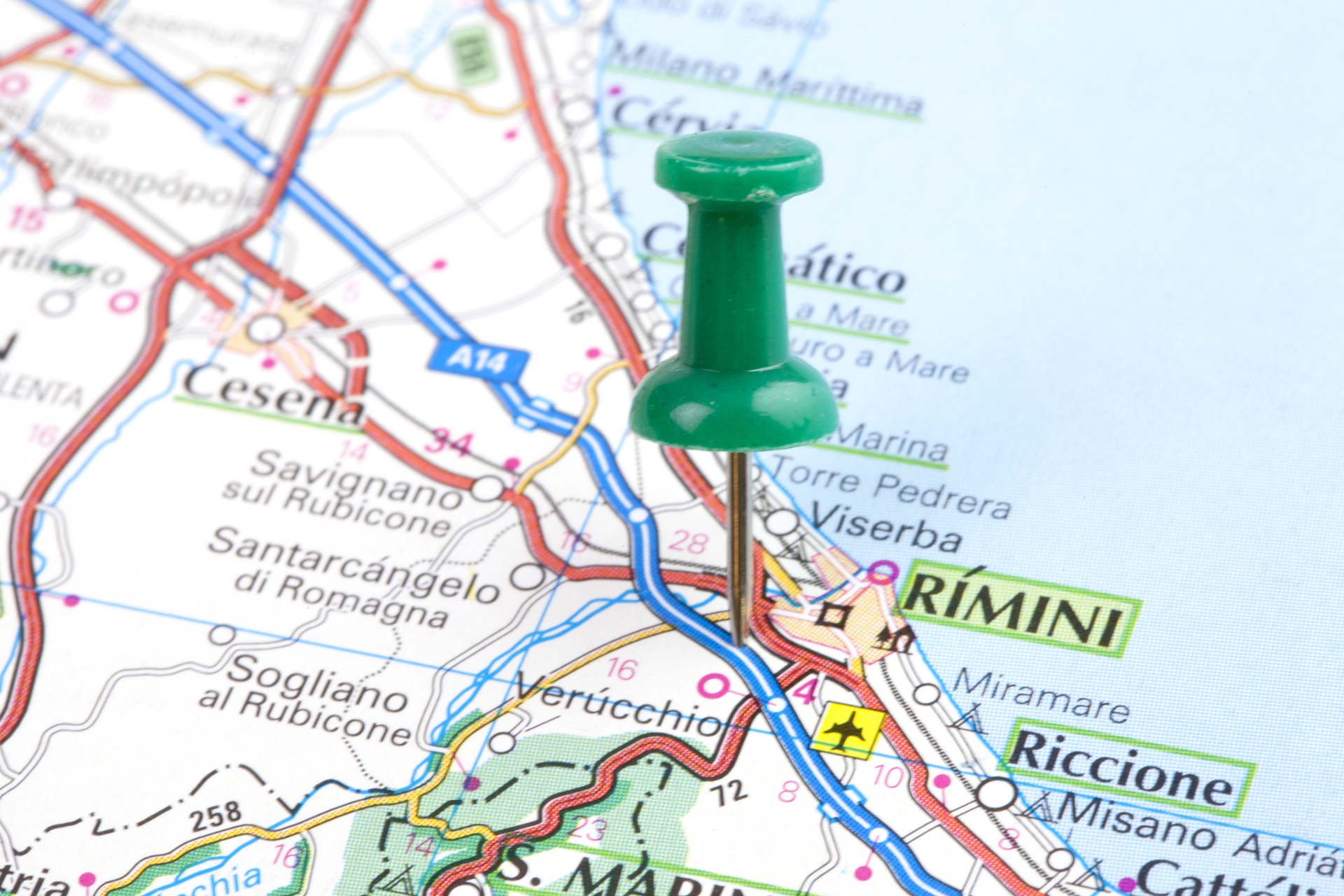
Cesenatico, a coastal town in Romagna, still retains its ancient seafaring identity today, thanks to its long navigable canal, which sets it apart from other coastal towns in the area. The Cesenatico Canal (also known as the Romagna Canal) is one of the region’s most distinctive and historic attractions, and is a place where history intertwines with everyday life.
The 3.5 km-long canal was dug in the 17th century and connects Lake Comacchio to the Adriatic Sea. Originally built for agricultural and defensive purposes, it is now used mainly for fishing and as a tourist attraction. The Cesenatico Canal is a waterway that runs through the town’s historic centre, winding its way through the narrow streets, squares and artisan workshops, offering a unique glimpse into daily life in this ancient village.
The quays, the live fish shops and the salt stores are still visible today, bearing witness to a seafaring past that is still very much alive. The Cesenatico Canal is also the starting and finishing point for the traditional Regata Storica, an event that celebrates the history and culture of Romagna.
Furthermore, along the canal there are museums, art galleries and restaurants, offering an overview of the history and culture of Romagna. The Museo del Mare in Cesenatico, in particular, houses an archaeological and scientific collection that provides a deeper insight into the history of Romagna and its seafaring people.
The Cesenatico Canal is an integral part of Romagna’s culture and history and remains a popular tourist destination for those wishing to experience the daily life of an ancient coastal village. Its natural beauty, history and social significance make this canal one of the most important and iconic in the Romagna region.
In conclusion, the Cesenatico Canal is more than just a waterway; it is an integral part of the history and culture of Romagna, offering a unique insight into daily life in this ancient coastal village.