Cotignola (Cudgnôla (in the Romagnolo dialect) is an Italian municipality in 7,356 inhabitants, situated in the province of Ravenna, in the heart of theEmilia-Romagna. Though small in size, Cotignola boasts an extraordinary history, having played a leading role in bygone eras and been at the centre of significant political and cultural events.
Physical geography
The municipality is situated in the north-western part of the the fertile Ravenna floodplain, on the banks of the the River Senio, strategically situated between Faenza e Lugo. Over the centuries, the area’s proximity to the river has shaped both its agricultural development and its most dramatic moments, as was the case during the Second World War.
Origins of the name
The first recorded mention of the place name Cotoniola dates back to 1 February 919, in a parchment in which the archbishop Constantine of Ravenna refers to the lands situated “in the estates of Cotoniola and Flumisiana”, belonging to the Parish Church of St Stephen in Panigale, the oldest place of worship in Cotignola.
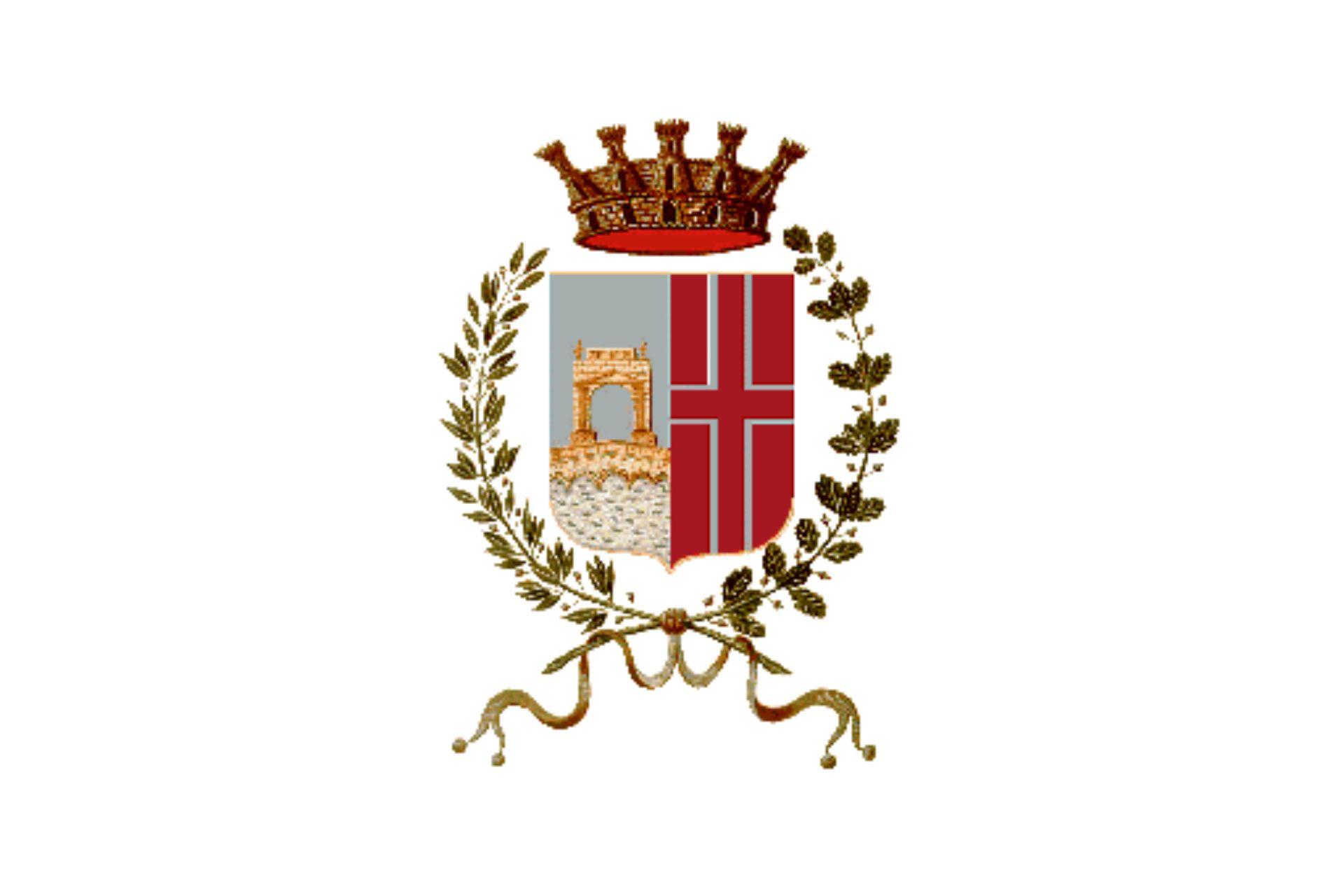
Of the various theories regarding the origin of the name, the most widely accepted one links it to the quince, which is successfully grown in the area. In support of this interpretation, it is precisely the quince is present in the town coat of arms, adopted during the Sforza era.
History
From the Middle Ages to the Kingdom of Italy
Known as Cotoniola as early as the 10th century, it later became Gudignola in 1177. In 1217 it was fortified by the people of Faenza, in response to the growing influence of the Counts of Cunio, which made it one of the most hotly contested fortresses in the area. After a series of changes in rule, the Cunio family moved to Barbian, and Cotignola enjoyed a period of relative stability.
In 14th century, the city found itself at the centre of new struggles: Muzio Attendolo, famous mercenary captain, a native of the village, was awarded the the fief of Cotignola in 1411, who was elevated to the rank of county. After his death, his son Francesco Sforza he inherited the estate and, in 1450, became Duke of Milan, thus founding one of the most powerful dynasties of the Renaissance.
‘What sets Cotignola apart from even larger and more important cities is that it was the birthplace of one of the most famous and powerful princely families of the Renaissance: the Sforza.’
Their forefather, Muzio Attendolo, known as Sforza, chose a military career and set out from Cotignola to become a renowned mercenary captain. Following in his footsteps, his son Francesco Sforza became Duke of Milan, a city of immense importance which the Sforza dynasty ruled for over a century.»
(Alfredo Toschi)
In 1494, Ludovico the Moor Cotignola was granted the title of city. But just five years later, with the arrival of the King of France Louis XII, the The Sforza family were exiled. In a game of dynastic alliances, Louis XII bestowed Cotignola under the Este family as part of the dowry for the marriage between Lucrezia Borgia e Alfonso I d’Este. The village thus became part of the Duchy of Ferrara.
With the extinction of the House of Este in 1598, Cotignola moved to the Papal State, under which it remained (except during the Napoleonic era) until theUnification of Italy. The the 1688 earthquake destroyed much of the village. During the Papal era, the village was attacked by the gang of the Passatore: on 17 January 1850, the bandit took the gendarmes and some of the villagers hostage, securing a ransom of 4,500 scudi, before leaving the village.
In 1859, with the referendums and following its annexation to the Kingdom of Sardinia, Cotignola became part of the Province of Ravenna.
The 20th century
During the 20th century, Cotignola was the scene of heroism, remembrance and destruction.
During the The First World War, the sergeant major distinguished himself Giannetto Vassura, a pilot who was killed in action in 1918: theRimini military airport.
During the The Second World War, Cotignola faced its most dramatic ordeal. Situated on the front line along the the River Senio, fu repeatedly bombed: the80% of the buildings was razed to the ground. The city was saved thanks to theOperation White Flag, led by the partisan Leno Casadio and from Father Stefano Casadio, who crossed the front line and persuaded the Allies to suspend the bombing.
Cotignola was liberated on 10 April 1945 from New Zealand 2nd Division of British V Corps.
Post-war reconstruction was extensive: the figures showed that 270 civilian casualties and almost 5,000 displaced people. However, the city was rebuilt in keeping with the original town planning layout, and once again became a thriving centre of production in the sectors ofagribusiness, from the mechanics, from the chemistry and the healthcare.
Symbols
The town coat of arms display:
‘Azure, a lion Or, holding in its left paw a branch curved at the tip, with green leaves, bearing at the apex a quince Or.’
The quince refers to the place name and the the family coat of arms of Muzio Sforza, whilst the golden lion was granted by theEmperor Robert III in 1401. The crest features a winged green dragon with a senile head clutching a gold ring set with a blue diamond, a symbol bestowed by the Marquis Nicolò III d’Este.
Honours and civic remembrance
Cotignola is Silver Medal for Civil Valour for saving 41 Jews during the Nazi occupation. The Prefectural Commissioner Vittorio Zanzi He set up a clandestine network with the artist Luigi Varoli, by forging documents and providing shelter without ever being reported to the authorities.
None of the Jews sheltered in Cotignola were ever arrested.
In 1987 was inaugurated on Memorial Parkwith 41 trees and one central stele; in the 2002, Zanzi, Varoli, their wives and other citizens were recognised Righteous Among the Nations from Yad Vashem in Jerusalem.
Monuments and places of interest
- Torre d’Acuto: built in 1376 by Giovanni Acuto, destroyed by the Germans in 1944 and rebuilt in 1972.
- Sforza Palace: the residence of the Sforza family, rebuilt in 1961 after the bombings.
Religious architecture
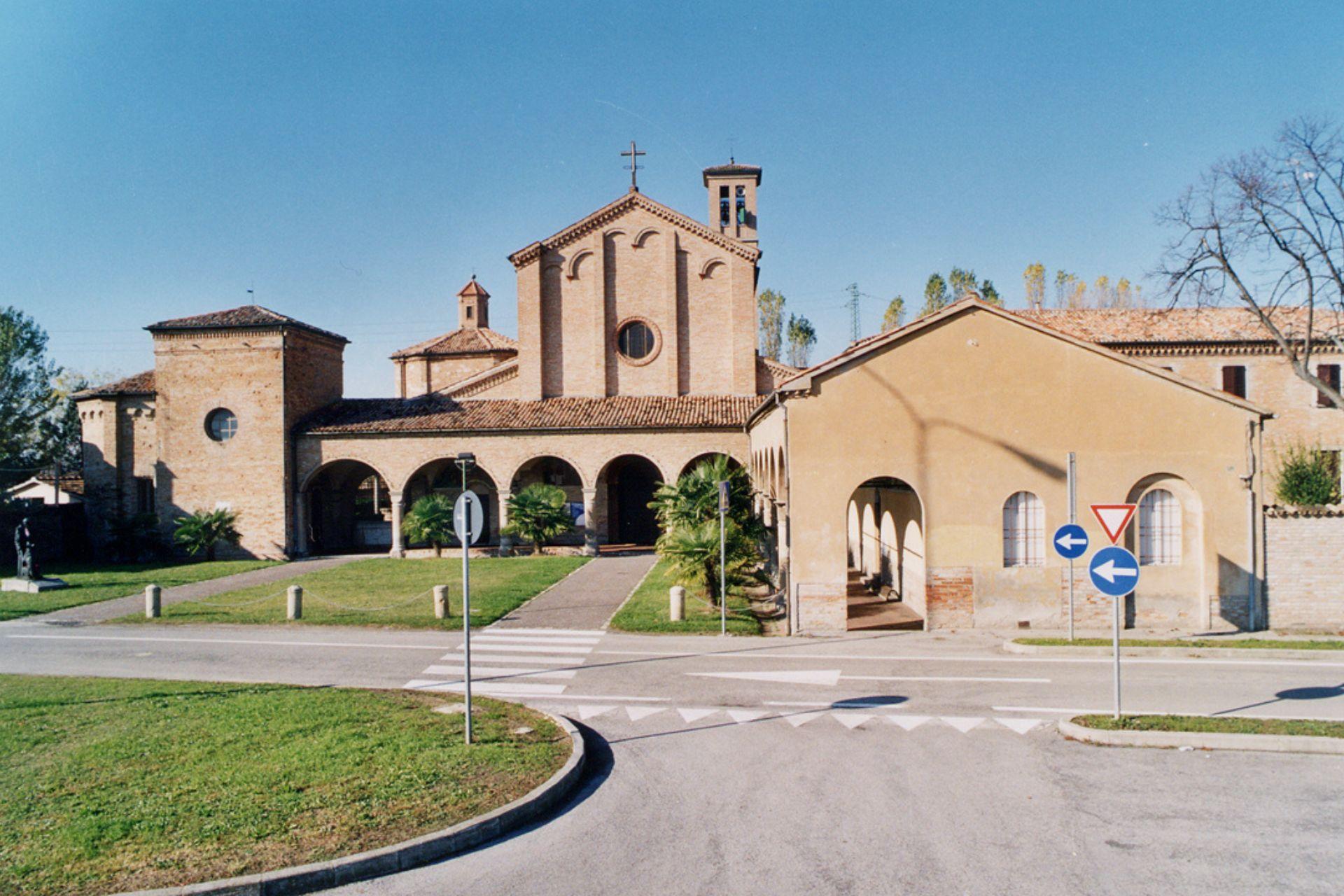
- Church of St Francis: built in the Lombard Gothic style, it houses the main body of the Blessed Antonio Bonfadini. Inside, there are works by Girolamo Marchesi and the brothers’ Zaganelli. Rebuilt after the war, it is now run by the Friars of the Order of Santa Maria della Luce.
- Church of St Stephen the Protomartyr (Barbiano): boasts paintings by Felice Torelli and school projects Carraccesca.
- Church of the Nativity of Mary (Budrio): featuring an 18th-century bell tower and having undergone recent restoration work.
- Church of San Severo: quoted from 1257, with a façade designed by Cosimo Morelli in 1789.
Natural areas
- Senio River Ecological Restoration Area: classified as Site of Community Importance (SCI) e Special Protection Area (SPA).
- Pertini Park: with small lakes, waterfowl, wild flora and the “Lago dei Gelsi” wildlife reserve.
Culture and museums
- Luigi Varoli Civic Museum: broken down into Sforza Palace e Varoli House. It houses works of art and archaeological finds (including the Roman stele of Gaius Vario), musical instruments and the ‘Land of the Righteous’ section.
- Magnani House: a museum dedicated to the painter and poet Arialdo Magnani, a pupil of Varoli.
Events
- Segavecchia (mid-Lent): a festival dating back to the 15th century which recounts the legend of the old witch discovered by Francesco Sforza. Sundays are celebrated with fancy floats and the ritual of condemnation and beheading of the “Old One”.
- Straw Bale Arena: summer festival of music, theatre, art and literature, on the banks of the Senio, under the full moon.
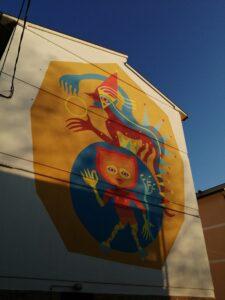
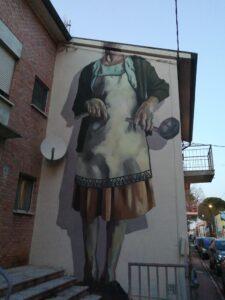
- ‘From the Museum to the Landscape’ Project: a course in street art which tells the story of Cotignola through murals by international artists.
Cotignola is a municipality that embodies the glory of the beginnings, the pride of remembrance e the energy of the present: a place where history, art and humanity are deeply and authentically intertwined.