The Romagna Apennines in three days: an itinerary through valleys, villages and spas
Three days in theRomagna Apennines They allow you to discover a side of Romagna that’s different from the coast: roads winding up through the valleys, small historic villages, woods, mountainous landscapes and spa towns where you can treat yourself to a few hours of relaxation. To organise your trip properly, it’s best to plan your itinerary by geographical area, avoiding constant travel from one valley to another and allowing enough time to visit the villages without turning your weekend into a mad rush.
How to plan a three-day itinerary in the Romagna Apennines
L'Romagna Apennines It covers a vast and highly varied area, criss-crossed by valleys that rise from the plain towards the border with Tuscany. It would be unrealistic to try to see everything in just three days. A more enjoyable option is to follow a step-by-step itinerary through some of the most characteristic areas, alternating between villages in the Romagna hinterland, nature, scenery and spas.
Among the areas best suited to a short break are the Montone Valley, the Rabbi Valley, the area of Bagno di Romagna and the area of the National Park of the Casentino Forests, Monte Falterona and Campigna. The route can be adapted to suit the starting point and the season, but the basic idea remains the same: to devote each day to a relatively small area.
Those setting off from the Romagna lowlands can quickly reach the first hills and continue towards the upper valley. As you climb, the landscape changes: the villages become smaller, there are more woods and hills, and the roads begin to follow the contours of the mountains.
The car remains the most practical means of transport for an itinerary of this kind, especially if you wish to visit small villages, scenic viewpoints and natural sites. The distances in kilometres are not necessarily great, but on the Apennine roads, journey times can be longer than a simple glance at the map would suggest. For this reason, it is best to plan a few well-chosen stops.
- Day one: Castrocaro Terme, Terra del Sole and the Montone Valley
One possible gateway to the Apennines is Castrocaro Terme and Terra del Sole, an area where history and spa traditions coexist just a few kilometres from the plain.
Castrocaro is best known as spa town in Romagna, but it also retains a historic centre dominated by the fortress. Strolling through the old town, you’ll come across narrow streets, historic buildings and picturesque views that allow you to begin your journey at a leisurely pace.
Not far away is Land of the Sun, a Renaissance fortress town designed in the second half of the 16th century at the behest of Cosimo I de’ Medici. Its regular urban layout and defensive architecture make it an interesting destination, particularly for those who enjoy combining scenery and history.
From here, you can continue along the Montone Valley, following the road that gradually leads towards the Apennines.
One of the most interesting stops is Dovadola, a small town situated along the River Montone. Continuing southwards, you reach Portico di Romagna, a village characterised by stone houses, narrow streets and a very close connection with the surrounding landscape.
If time allows, the day can continue on to Premilcuore, heading towards the Rabbi Valley, or ending your trip in the upper valley by choosing accommodation in the hinterland.
The first day is mainly about gradually getting into the spirit of theTuscan-Romagnolo Apennines, moving from the hills to more distinctly mountainous landscapes.
- Day two: Premilcuore and the Casentino Forests
The second day can be spent mainly enjoying the countryside. Premilcuore It is one of the most interesting places from which to explore the Romagna side of the National Park of the Casentino Forests, Monte Falterona and Campigna.
The village is situated in the Rabbi Valley, surrounded by woods and hills. It is a good base for those who wish to combine a short visit to the historic centre with walks and stops along the river.
There are several footpaths and nature reserves in the surrounding area. The choice of walk should, of course, depend on the season, the weather conditions and your fitness level. There’s no need to plan a strenuous hike: even relatively short walks allow you to appreciate the vegetation, the watercourses and the Apennine landscape.
The Casentino Forest Park It is characterised by extensive woodland and is one of the most important natural areas in the northern Apennines. Beech and fir trees, mixed woodland, streams and ridges make up a landscape that is very different from that of the Romagna coast.
Those who prefer a mainly scenic route can spend more time travelling between the small villages and visiting the viewpoints, whilst keen walkers can set aside several hours for a walking route.
Autumn is particularly picturesque thanks to the colours of the woods, whilst spring and summer generally allow you to spend more time outdoors. In winter, however, you need to check the condition of the roads and footpaths more carefully.
- Day three: Bagno di Romagna – a blend of historic village, nature and thermal spas
To round off the trip, you can head to Bagno di Romagna, one of the best-known resorts in the Romagna Apennines and a destination ideal for those who wish to combine sightseeing, walks and spa wellness.
The town centre is compact and can be easily explored on foot. The presence of thermal springs has had a profound impact on the history and identity of the town, making it a leading destination for wellness holidays for centuries.
A day can therefore be split between a stroll through the village, a hike in the surrounding countryside and a few hours at the spa. It is precisely this combination that makes Bagno di Romagna particularly well-suited as a final stop: after two days spent on mountain roads, in villages and on footpaths, the trip can end on a more relaxing note.
The surrounding area also offers plenty of opportunities for those who wish to continue exploring the local area. Woodlands, footpaths and nature trails allow you to make the most of the outdoors for a little longer before heading to the spa facilities.
Which villages should you choose if you only have three days?
The main risk of a A weekend in the Romagna Apennines is to include too many places in the same itinerary. On paper, many villages seem close by, but bends, mountain passes and mountain roads make travelling between them take longer.
For a three-day trip, it may be enough to choose four or five main destinations from among Castrocaro Terme, Terra del Sole, Dovadola, Portico di Romagna, Premilcuore and Bagno di Romagna, making minor adjustments where necessary, depending on the time available.
Those with a keen interest in history can spend more time exploring fortresses and historic town centres. Those who prefer nature can visit fewer villages and spend a whole day in the Casentino Forest Park. For a relaxing weekend, on the other hand, you can stay at a spa resort and use it as a base for day trips.
Where to stay during a weekend in the Apennines
To minimise travel, it may be worth changing your accommodation during the trip or choosing a location that is sufficiently central to your planned stops.
The offer includes farm stays in the Romagna Apennines, hotels, bed and breakfasts, spa resorts and small accommodation options in the villages. A farm stay may be ideal for those seeking peace and quiet and a connection with the countryside, whilst staying in the centre of a village often means you can reach restaurants and amenities without having to use the car again in the evening.
Before booking, it is advisable to check not only the distance in kilometres from the places you intend to visit, but also the actual journey time.
What to eat whilst travelling
A trip into the countryside is also an opportunity to discover the Romagna mountain cuisine, linked to local produce and a tradition that differs somewhat from that of coastal towns.
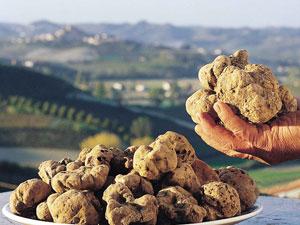
In trattorias, taverns and farm stays, you can find fresh pasta, tagliatelle, tortelli, cappelletti, meat, cheese, cured meats and dishes that vary from one valley to another. In some areas, there are also specialities linked to truffles, mushrooms and forest produce.
Rather than necessarily looking for restaurants in the larger towns, it may be worth stopping off at the small local eateries in the villages you pass through. Lunch, however, should be taken into account when planning your day: particularly in smaller towns, opening days and times may vary throughout the year.
When to visit the Romagna Apennines
There is no single ideal season. Spring and early summer They are ideal for walks and offer the chance to see particularly lush vegetation. In summer, temperatures are often more pleasant than in the lowlands and on the coast, especially as you gain altitude.
L'Autumn in the Romagna Apennines It is one of the most interesting times of year in terms of scenery, thanks to the colours of the woods and the seasonal produce. However, the days are getting shorter, so excursions and journeys need to be planned with greater care.
Winter gives the mountains of Romagna a completely different look. Anyone planning a trip at this time of year should check the weather forecast, road conditions and trail conditions before setting off.
How to plan your route without spending too much time in the car
To really make the most of three days in The valleys, villages and spas of Romagna, the most useful rule is to avoid an overly packed schedule. Two or three main stops in a day are generally more than enough, especially when a walk is also planned.
It is also a good idea to allow some time for unscheduled stops. A scenic road, a small village you come across along the way, or a local restaurant can turn out to be some of the most enjoyable experiences of the trip.
One possible scenario therefore involves the first day being between Castrocaro Terme, Terra del Sole and the Montone Valley, the second of Premilcuore and the Casentino Forests and the third to Bagno di Romagna, with a few hours set aside for the spa. This isn’t an itinerary that needs to be followed to the letter, but a useful guide for planning your journey and combining history, nature and wellness.
In three days, theRomagna Apennines You may not explore it in its entirety, but you can already get a sense of its character: that of a Romagna made up of quiet valleys, cosy villages, woods, thermal springs and roads that invite you to slow down.