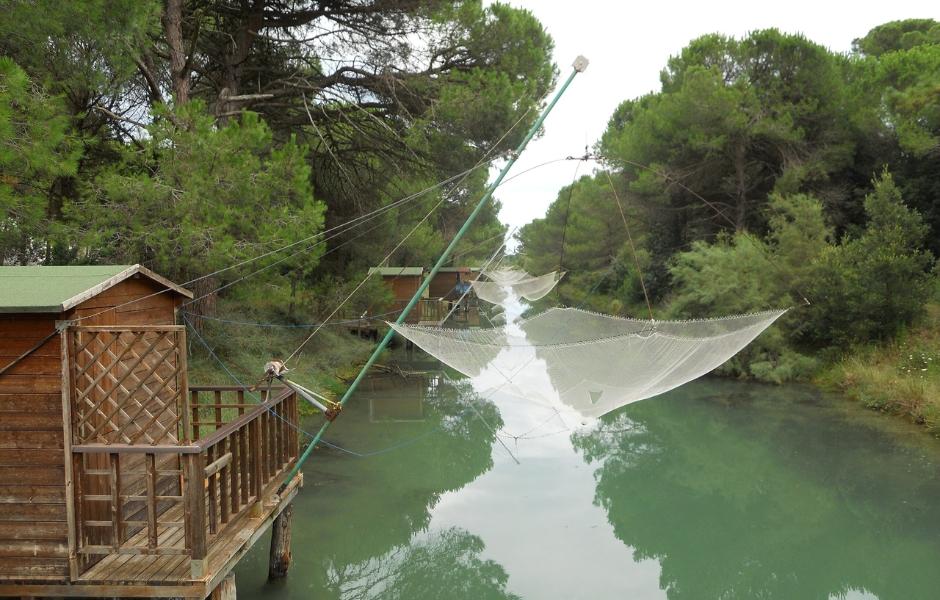
A karst treasure trove of nature, biodiversity and history
Located in the municipality of Gemmano, in the province of Rimini, the Onferno Guided Nature Reserve It is one of the most fascinating protected areas in Emilia-Romagna. Established in 1991, it covers an area of 274 hectares and is now an integral part of the Natura 2000 network (site IT4090001), with an IUCN category IV classification.
A land where legend and science meet
The name ‘Onferno’ has deep roots. Formerly known as ‘Inferno’, it was changed in 1810 at the behest of the Bishop of Rimini, who considered that dark reference to be inappropriate. The inhabitants of yesteryear truly believed that the caves as if these places were the gateway to the Underworld: amidst wild ravines, dense forests and winter mists, the atmosphere was undeniably evocative.
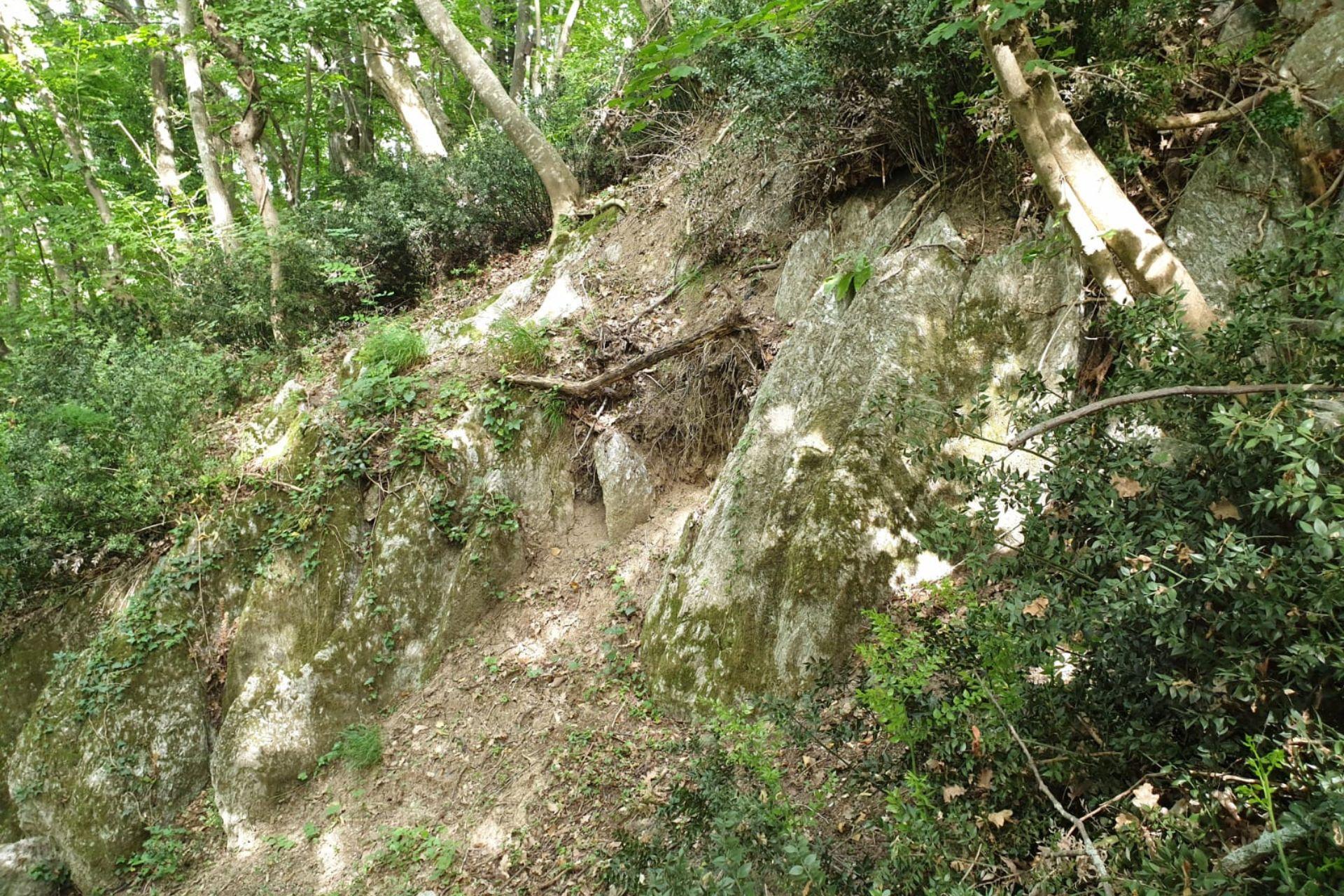
The chalk caves
At the heart of the reserve is the the Onferno Caves karst complex, among the most important gypsum caves in Italy. First explored in 1916 by Lodovico Quarina, they extend over 400 metres in depth with a vertical drop of 64 metres. Inside, the caves feature a succession of underground streams, limestone concretions, active and fossilised environments, orange-coloured flowstones, stalagmites and selenite crystals.
Onferno is home to the the largest bat colony in Emilia-Romagna, with over 8,000 specimens of seven different species, six of which are of Community interest. Of particular value is the presence of the mini-bat, endangered species in Europe.
Flora and fauna
The natural heritage is extraordinary. The flora It includes over 420 plant species, including rare ones such as Staphylea pinnata, Phyllitis scolopendrium e Polypodium australe, in an ecosystem influenced by the stable microclimate of the caves (12–13°C all year round).
La fauna It is typical of the Romagna Apennines, featuring:
-
Mammals: porcupine, fox, badger, roe deer, wild boar, hedgehog, hare and various species of small mammals.
-
Birds of prey: buzzard, kestrel, black kite, marsh harrier, barn owl, tawny owl and others.
-
Reptiles and amphibians: green frog, yellow-bellied toad, newt, green lizard, grass snake.
-
Small birds: passerines, pheasants, owls and larks.
The village and the museum
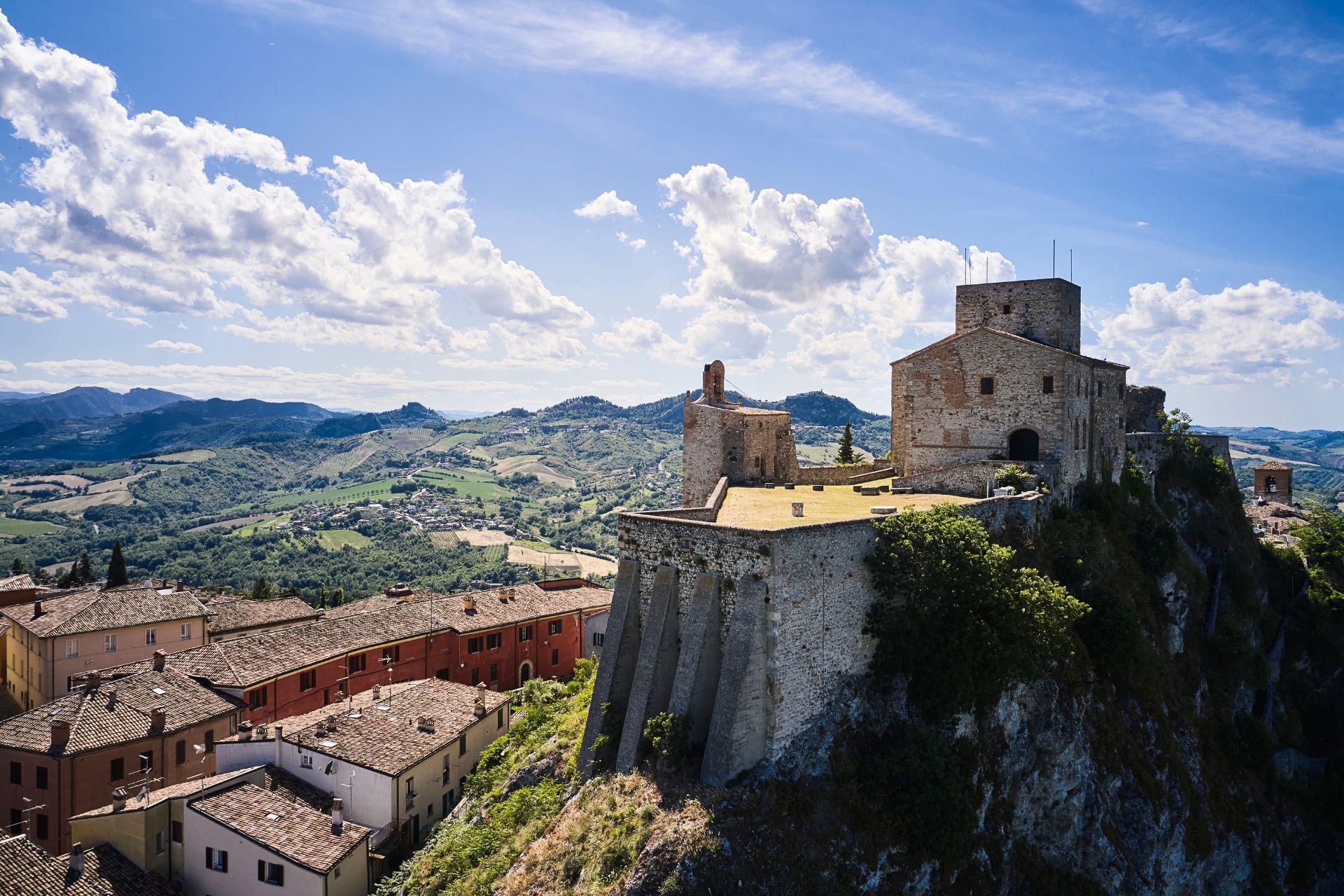
Perched atop the chalk cliff stands the ancient Onferno Castle, now a picturesque village and home to the Visitor Centre and the Natural History Museum, housed in the restored parish church of Santa Colomba. The museum is also designed with young children in mind, featuring interactive exhibits and fun, educational activities.
Environmental education
Onferno is Educational Centre run by the CEAS “Scuola ParchiRomagna – P. Zangheri”, offering a wide range of educational programmes for schools and groups. The activities include:
-
Caving, cartography, orienteering
-
Study of bats, karst formations and wild plants
-
Workshops on sustainability, insects, flora and fauna
-
Multimedia presentations, guided tours and sensory experiences
Managed by the Romagna Parks and Biodiversity Management Authority, in collaboration with WWF Rimini and the La Nottola APS-ASD association.
A UNESCO site
From 19 September 2023, the Onferno Caves have been recognised UNESCO World Heritage Site as part of the ‘Evaporiti di San Leo’ website. This is further recognition of the scientific, environmental and cultural value of one of our country’s underground wonders.
How to visit the Caves
-
Duration of visit: approximately 90 minutes
-
Recommended equipment: comfortable clothing, a light jacket, walking boots, a helmet (provided on site)
-
Meeting point: Visitor Centre, Via Provinciale Onferno 50 – Onferno Castle, Gemmano (RN)
-
Information and bookings: please contact the Visitor Centre directly